

How to Meditate?
Breathe and Connect With Yourself
Home » Wellness » Meditation » How to Meditate
Learning meditation represents one of the most valuable skills you can develop for long-term mental and physical health. The beauty of meditation lies not in its complexity, but in its elegant simplicity – anyone can learn to meditate regardless of age, background, or current stress level.
The scientific evidence supporting meditation’s benefits continues to grow exponentially, with research demonstrating measurable improvements in anxiety reduction, immune function, and cognitive performance. Harvard neuroscientist Dr. Sara Lazar’s groundbreaking research shows that just eight weeks of meditation practice can increase cortical thickness in areas associated with attention and sensory processing².
Yet despite meditation’s proven benefits and growing popularity, many people struggle with how to begin or maintain a consistent practice. Common misconceptions about needing to “empty the mind” or achieve perfect stillness often create unnecessary barriers to getting started. The reality is much more approachable – meditation is simply the practice of training attention and awareness in a gentle, non-judgmental way.
This comprehensive guide will demystify meditation practice, providing step-by-step instructions, practical tips for building sustainable habits, and solutions to common challenges that arise along the meditation journey. Whether you’re completely new to contemplative practice or looking to deepen your existing routine, these evidence-based approaches will support your wellness goals.
How to Meditate
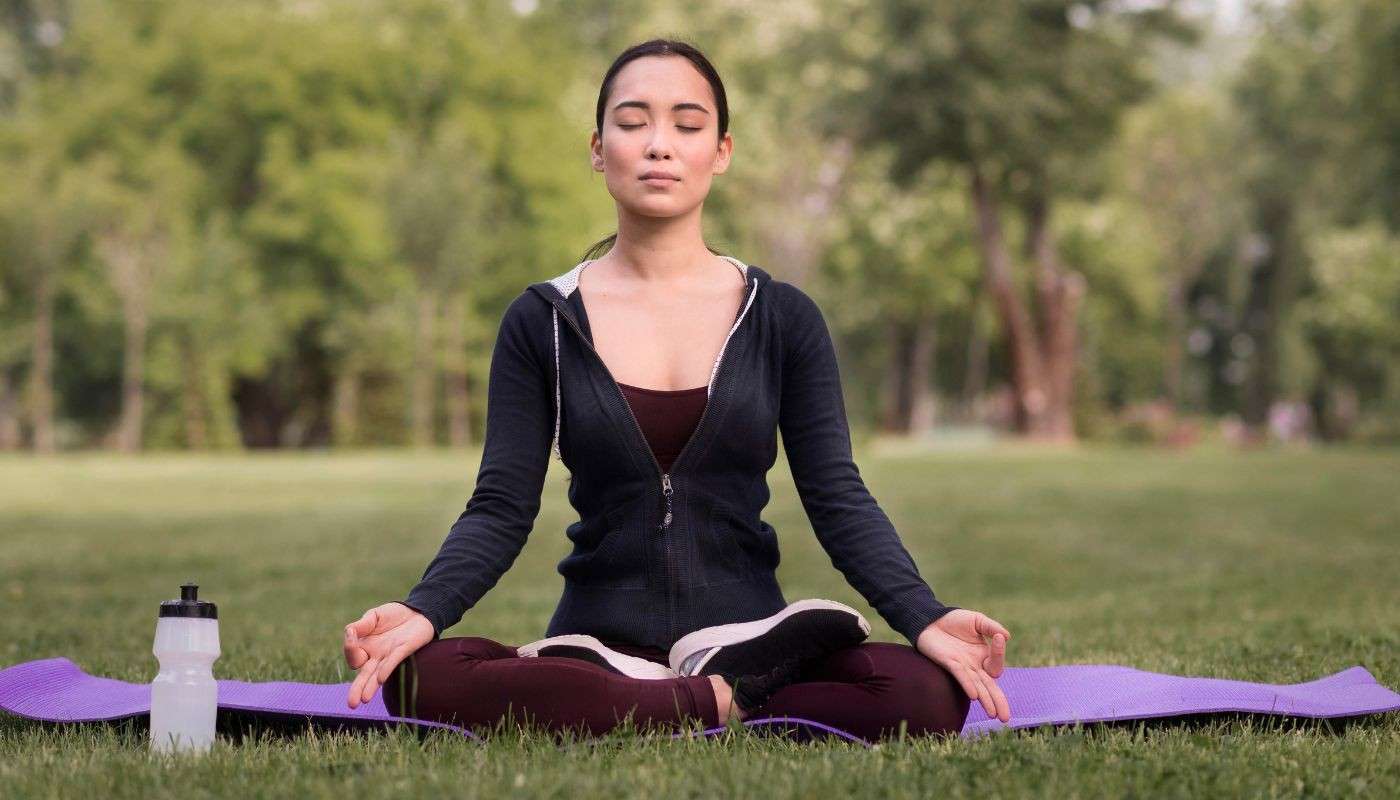
Starting your meditation journey requires understanding the basic mechanics of contemplative practice. The fundamental approach involves finding a comfortable position, selecting an anchor for attention (typically the breath), and gently returning awareness to this focal point whenever the mind wanders.
- Choosing the Location to Meditate
Begin by choosing a quiet location where you won’t be disturbed for the duration of your practice. While a dedicated meditation space is ideal, any peaceful spot in your home will suffice. Many practitioners find that using the same location consistently helps create mental associations that make settling into meditative states easier over time.
- Getting into the Meditative Body Posture
Posture plays a crucial role in effective meditation practice. Sit with your spine naturally erect but not rigid, allowing for both alertness and relaxation. Whether you choose a meditation pillow, meditation office chair, or simple cushion, the key is maintaining a position you can hold comfortably without becoming drowsy or developing significant discomfort.
- Feel your Breath
Close your eyes gently and begin noticing your natural breathing rhythm without trying to control or change it. The breath serves as an excellent meditation anchor because it’s always available, naturally rhythmic, and connects voluntary and involuntary bodily processes. When you notice your mind has wandered – which happens frequently and is completely normal – simply return attention to breathing sensations.
- Accept and Understand Your Wandering Mind
The practice involves developing a patient, accepting relationship with your wandering mind rather than fighting against thoughts or trying to achieve a perfectly still mental state. Each time you notice distraction and gently return to the breath, you’re actually succeeding at meditation rather than failing, as this returning motion strengthens your attention muscles.
- Set Your Timer
Use a meditation timer with gentle sounds to avoid checking clocks and maintain present-moment focus. A timer can help create a ritual around your meditation practice. It allows you to relax into the session, knowing that you won’t have to worry about time.
Remember that meditation is called a “practice” because it involves ongoing skill development rather than perfect performance. Approaching your sessions with curiosity rather than judgment creates the optimal mindset for both learning and inner transformation.
How Do I Build a Daily Meditation Habit?
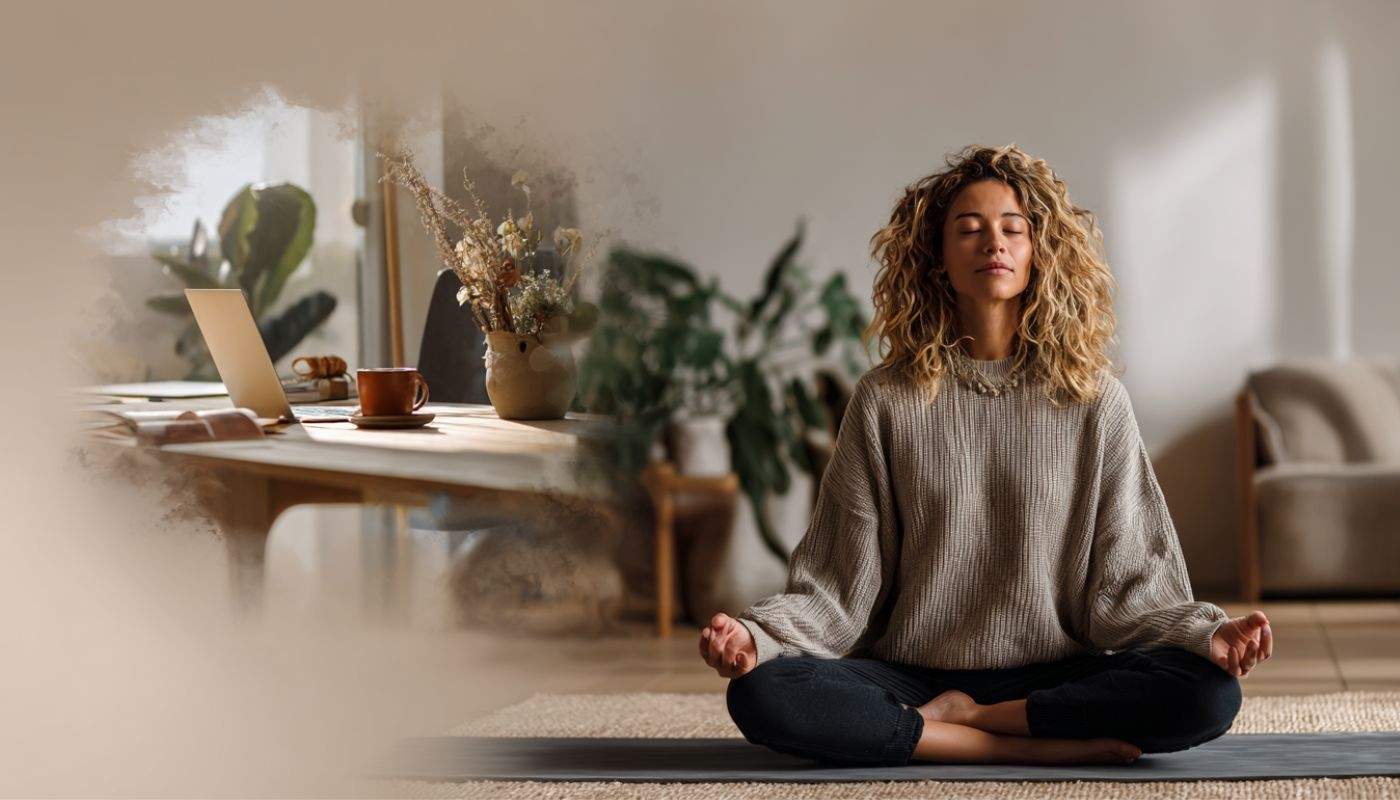
Establishing a daily meditation habit represents one of the most impactful wellness decisions you can make for long-term mental and physical health. Research from the University of Wisconsin demonstrates that consistent meditators show increased activity in brain areas associated with positive emotions and improved immune function. However, building this habit requires strategic planning and realistic expectations.2
- Start with 5-10 Minutes Daily
The key to sustainable meditation practice lies in starting small rather than attempting lengthy sessions from the beginning. Many beginners make the mistake of committing to 30-45 minute sessions, which often leads to overwhelm and abandonment of the practice entirely. Instead, beginning with just 5-10 minutes daily creates manageable expectations while establishing neural pathways that support longer practices over time.
Consistency matters more than duration when building meditation habits. Practicing for 10 minutes every day produces better results than meditating for an hour once or twice per week. The daily repetition strengthens both the habit itself and the neurological changes that meditation produces, creating a positive feedback loop that makes practice increasingly effortless.
- Connect Meditation to Daily Routines
Linking meditation to existing daily routines helps establish automatic habit patterns. Many successful practitioners meditate immediately after waking, before coffee, or just before bedtime, using established routines as natural reminders for contemplative practice. This “habit stacking” approach leverages existing neural pathways to support new behaviors.
- Practice Meditation in a Group
Creating accountability through participation in meditation groups, working with a meditation teacher, or attending a meditation workshop can significantly increase adherence to daily practice. Social support provides motivation, guidance, and troubleshooting for common challenges that arise during the habit-building phase.
- Use Technology to Meditate
The modern technology landscape offers numerous tools to support consistent practice, from smartphone apps with guided sessions to meditation VR experiences that create immersive contemplative environments. While technology can’t replace the fundamental elements of meditation, these tools can provide valuable structure and motivation for developing practitioners.
For Timed Meditation How Many Minutes Do I Practice?
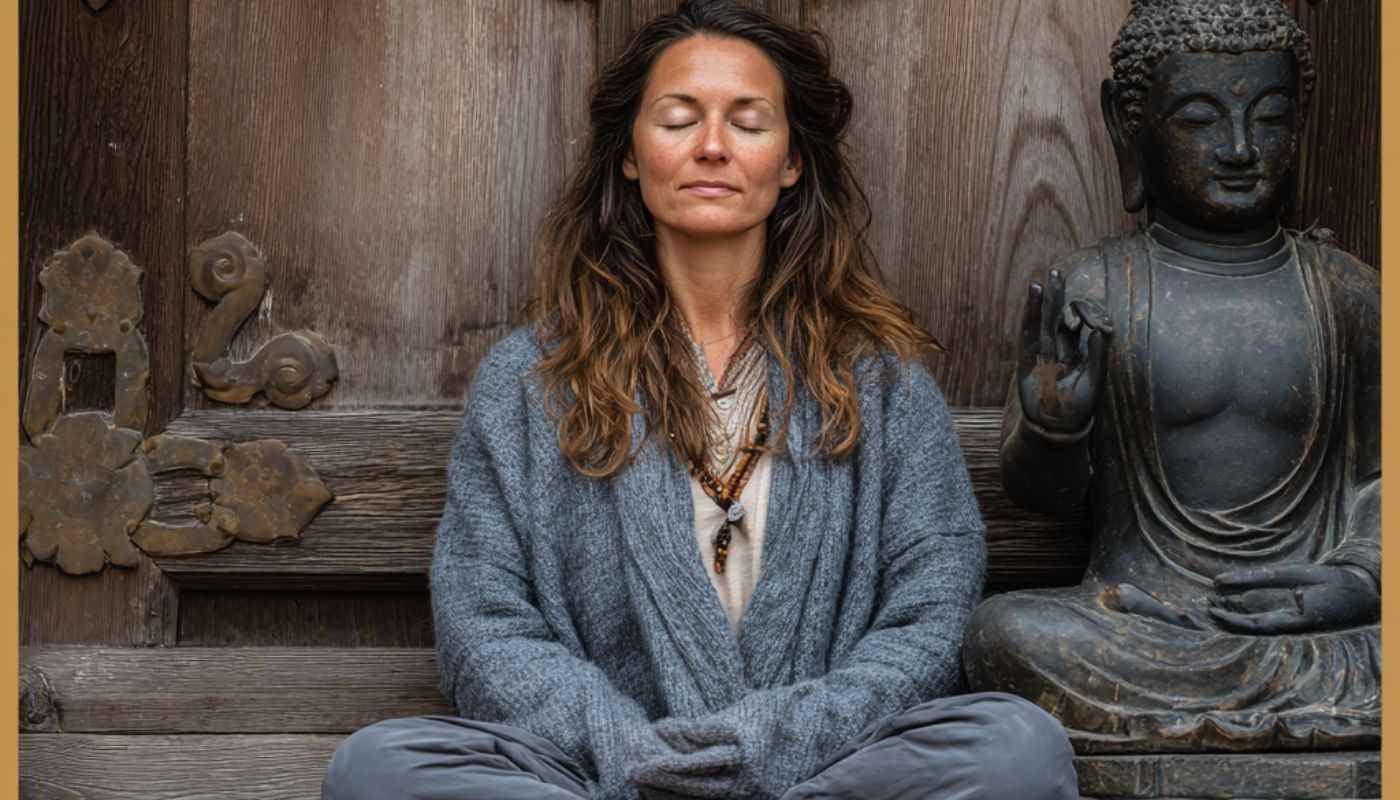
Determining the ideal meditation duration depends on multiple factors including experience level, available time, specific goals, and individual temperament. Research suggests that even brief meditation sessions of 10-12 minutes can produce measurable benefits in stress reduction and cognitive function when practiced consistently⁴.
Beginning meditators often benefit most from shorter sessions that feel achievable rather than overwhelming. Starting with 5-10 minutes allows you to experience meditation’s effects without creating resistance or time pressure that can undermine the practice. As comfort with sitting and attention training develops, gradually increasing duration to 15-20 minutes often deepens the experience.
Intermediate practitioners typically find 15-25 minutes provides sufficient time to settle the mind and access deeper states of relaxation and awareness. This duration allows for initial settling, exploration of the meditative state, and integration before returning to daily activities. Many meditation teachers recommend this range for establishing a solid foundation practice.
Advanced practitioners or those attending meditation retreats may practice for 30-60 minutes or longer, exploring subtle states of consciousness that become accessible through extended sitting. However, these longer durations require significant preparation and aren’t necessary for experiencing meditation’s primary benefits.
The quality of attention matters more than the quantity of time spent meditating. A focused 10-minute session often produces better results than a distracted 30-minute sitting. Rather than fixating on duration, emphasise consistency and presence during whatever time you have available for practice.
Meditation Duration Guidelines by Experience Level:
- Complete Beginners: 5-10 minutes daily to establish habit and basic attention skills without overwhelming the nervous system
- Developing Practitioners: 10-20 minutes as concentration improves and sitting comfort increases with regular practice
- Intermediate Meditators: 20-30 minutes for deeper settling and exploration of subtle awareness states and inner stillness
- Advanced Practitioners: 30+ minutes for refined attention training and accessing profound meditative states during intensive practice
- Retreat Settings: 45-60+ minutes with proper guidance and intensive practice environment supporting extended meditation periods
The most important factor is finding a duration that feels sustainable for your current life circumstances while still providing enough time to settle into the meditative state and experience its benefits.
During Meditation How to Clear My Mind?

One of the most common misconceptions about meditation involves the idea that successful practice requires “clearing the mind” or achieving a thoughtless state. In reality, attempting to stop thoughts often creates tension and struggle that work against meditation’s natural settling process. Understanding how to work skillfully with mental activity represents a crucial aspect of effective practice.
Rather than trying to eliminate thoughts, successful meditation involves changing your relationship to mental activity. Think of thoughts like clouds passing through the sky of awareness – you can observe them without becoming caught up in their content or trying to push them away. This observational stance creates psychological distance from mental chatter while allowing natural mental settling to occur.
The technique of “noting” provides a practical approach to mental clarity during meditation. When you notice thoughts arising, simply make a gentle mental note like “thinking” or “planning” before returning attention to your breath or chosen focal point. This acknowledgment prevents getting lost in thought stories while maintaining the gentle awareness that characterises effective practice.
Breath-focused techniques particularly excel at promoting mental clarity because breathing provides a natural anchor that connects mind and body. Counting breaths from one to ten (then starting over) gives the mind a simple task that prevents excessive wandering while developing concentration skills. This approach helps meditation to relax the mind without forcing artificial stillness.
Working with a qualified meditation teacher can provide personalised guidance for developing mental clarity techniques suited to your specific patterns and challenges. Many meditation workshops focus specifically on attention training and mental clarity, offering intensive instruction that accelerates skill development.
Meditation equipment like noise-canceling headphones or white noise machines can support mental clarity by reducing environmental distractions. While external quietness isn’t essential for effective practice, minimising obvious distractions can help beginning practitioners develop concentration skills more easily.
Effective Mental Clarity Techniques:
- Gentle Noting: Acknowledge thoughts with simple labels like “thinking” or “worrying” before returning to your meditation anchor
- Breath Counting: Count each exhale from 1-10, then restart, providing the mind with a simple focus task to prevent excessive wandering
- Body Awareness: Shift attention to physical sensations when mental activity becomes overwhelming, using embodied presence to ground awareness
- Acceptance Practice: Welcome thoughts and emotions without judgment, allowing them to naturally pass through consciousness like weather patterns
- Present Moment Anchoring: Return repeatedly to immediate sensory experience – sounds, breath, body sensations – to cultivate here-and-now awareness
Remember that mental clarity in meditation develops gradually through consistent practice rather than through force or struggle. Each session builds the neural pathways that support greater ease and stillness over time.
Overcoming Meditation Challenges
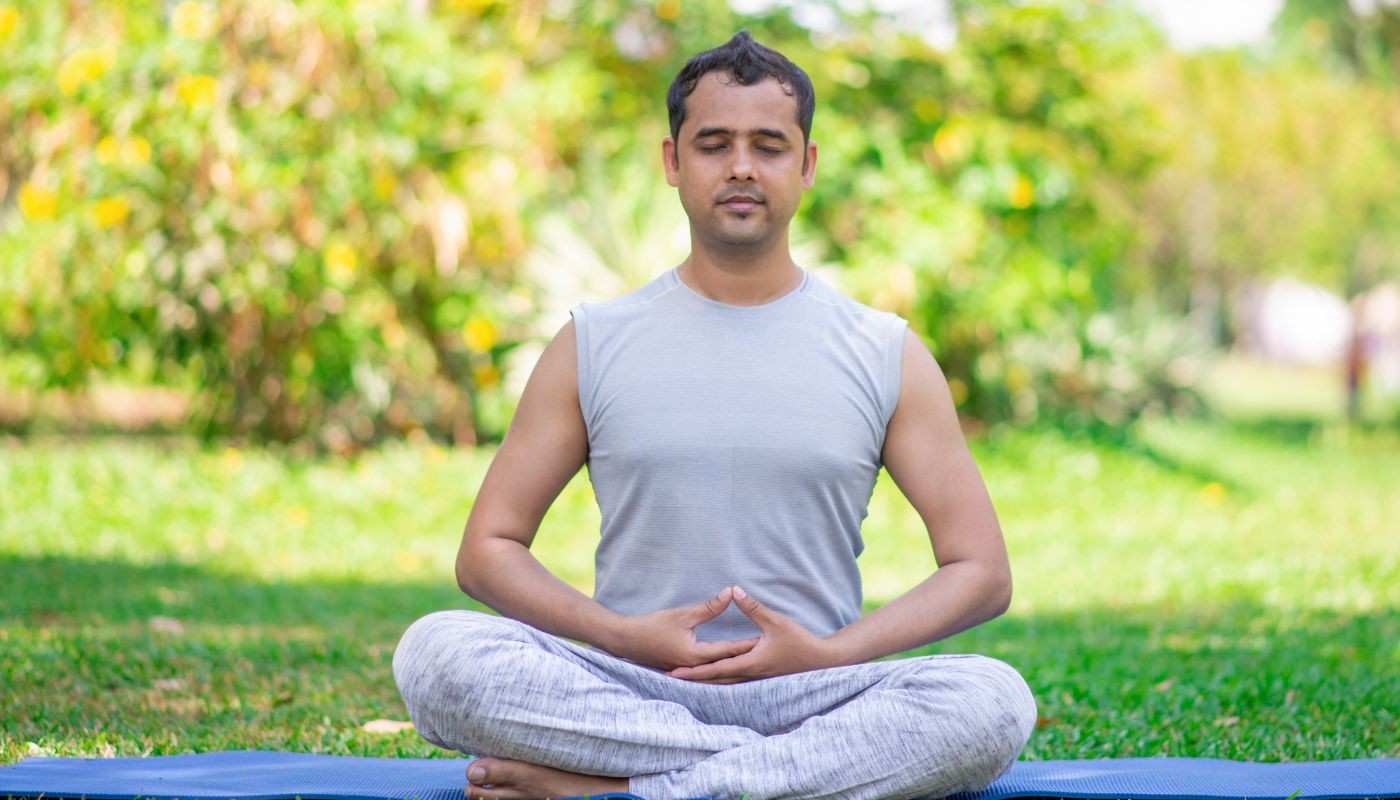
Every meditation practitioner encounters challenges that can temporarily disrupt or discourage consistent practice. Understanding these common obstacles and having practical solutions available helps maintain momentum during difficult periods while preventing temporary setbacks from derailing long-term contemplative development.
Physical Discomfort
Physical discomfort represents one of the most frequent meditation challenges, particularly for practitioners new to sitting for extended periods. Developing sustainable posture takes time, and expecting immediate comfort often leads to frustration. Using appropriate meditation equipment like supportive cushions, meditation benches, or ergonomic meditation chairs can significantly reduce physical obstacles to consistent practice.
Restlessness
Restlessness and inability to sit still affect many beginning meditators, especially those accustomed to constant activity and stimulation. This challenge often resolves through gradual practice progression and may benefit from movement-based approaches like walking meditation or gentle yoga before sitting practice. Some practitioners find meditation VR environments helpful for creating engaging focal points that occupy the restless mind.
Feeling Drowsy During Meditation
Falling asleep during meditation indicates either excessive fatigue or insufficient alertness in posture and mental approach. While occasional drowsiness is normal, persistent sleepiness may require adjusting practice timing, improving sleep habits, or working with a meditation teacher to develop appropriate alertness techniques.
Expecting Immediate Results
Doubt about effectiveness or “doing it right” commonly arises when practitioners don’t experience immediate dramatic changes or encounter difficult emotions during practice. Understanding that meditation benefits often develop subtly over time, and that encountering resistance or discomfort is normal, helps maintain realistic expectations and continued motivation.
Busy Schedules
Scheduling challenges and time constraints frequently derail meditation habits, particularly during stressful life periods when consistent practice would be most beneficial. Developing flexible approaches that adapt to changing circumstances – including very brief sessions or informal mindfulness practices – helps maintain contemplative momentum even during challenging times.
Many practitioners benefit from connecting with meditation groups near me or participating in meditation yoga retreats that provide community support and intensive instruction. These environments offer troubleshooting for individual challenges while creating inspiration and accountability for sustained practice.
Meditation Resources and Support Systems
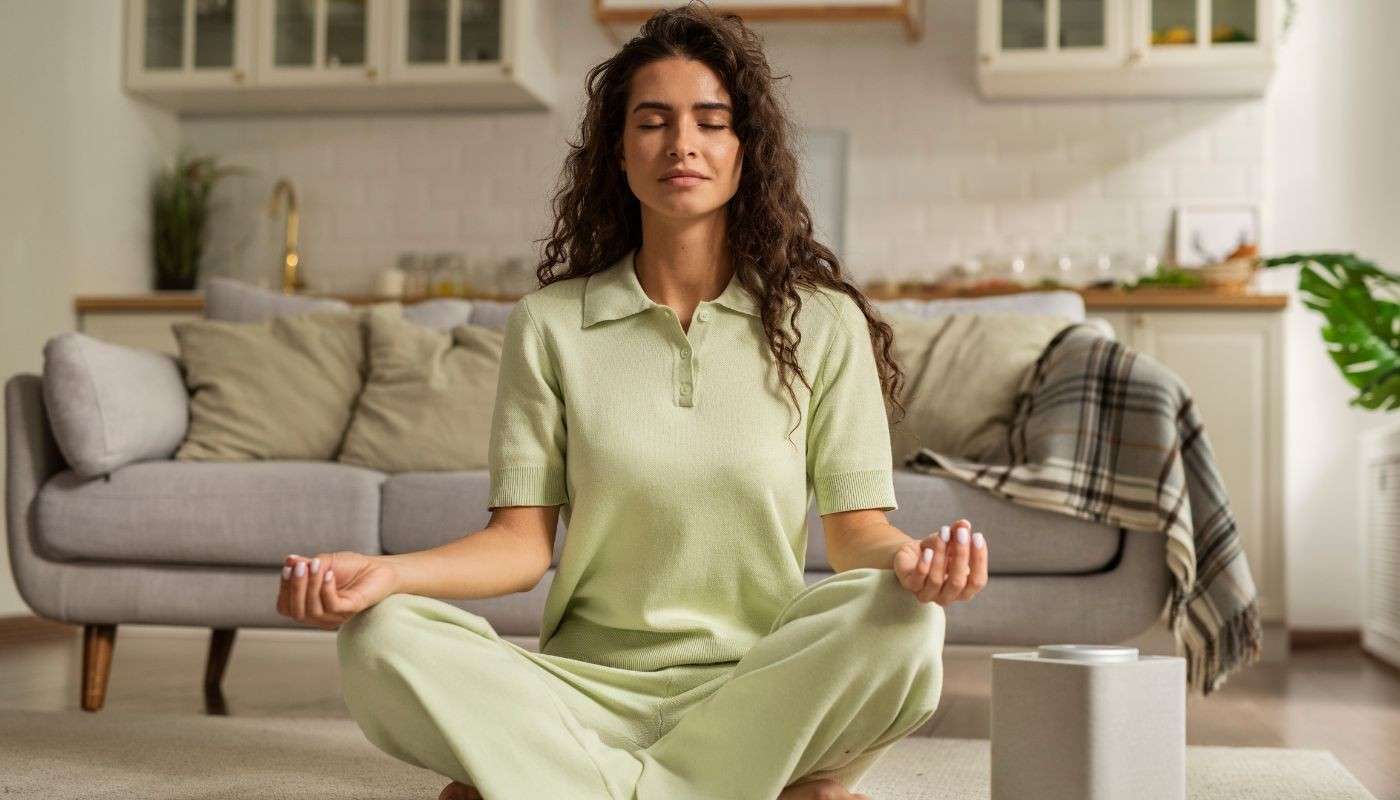
Building a sustainable meditation practice often benefits from appropriate resources, guidance, and community support. While meditation’s essence remains simple and accessible, having proper tools and instruction can significantly accelerate learning while preventing common pitfalls that discourage beginning practitioners.
Working with a Qualified Meditation Teacher
Working with a qualified meditation teacher provides personalised instruction, ongoing support, and troubleshooting for individual challenges that arise during contemplative development. Many teachers offer both group classes and private sessions, allowing for customised guidance that addresses specific needs and learning styles. Online platforms now make working with experienced teachers accessible regardless of geographical location.
Attending a Meditation Workshop
Meditation workshops and intensive training programs offer structured learning environments that can deepen understanding and refine technique more rapidly than self-directed practice alone. These programs often combine instruction, practice periods, and group discussion that accelerates learning while creating supportive community connections with fellow practitioners.
Investing in Meditation Equipments
The meditation equipment market offers numerous tools designed to support consistent practice, though most effective meditation requires minimal external resources. A quality meditation timer with gentle chimes prevents clock-watching while maintaining practice structure. Comfortable seating options ranging from traditional meditation pillows to modern meditation chairs help establish sustainable posture for regular sitting.
Technology-assisted meditation continues evolving with innovations like meditation VR experiences that create immersive contemplative environments. While these tools can provide novelty and engagement for some practitioners, the fundamental skills of attention and awareness development remain independent of technological enhancement.
Essential Meditation Support Resources:
- Qualified Instruction: Work with experienced meditation teachers through classes, workshops, or private sessions for personalised guidance and technique refinement
- Community Connection: Join local meditation groups or online communities for motivation, accountability, and shared learning experiences
- Appropriate Equipment: Invest in comfortable seating, reliable timers, and environmental modifications that support consistent practice
- Educational Materials: Study reputable books, audio programs, and online resources from established meditation traditions and scientific research
- Retreat Experiences: Attend meditation yoga retreats or intensive programs for deepened practice and accelerated skill development
The most important resource for meditation success remains your own commitment to consistent practice and patient self-compassion during the learning process. While external support can be valuable, the essential elements of contemplative development occur through regular, sustained engagement with the practice itself.
Integrating Meditation into Modern Life
Successfully incorporating meditation into busy contemporary lifestyles requires flexibility, creativity, and realistic expectations about how contemplative practice fits into existing routines and responsibilities. Rather than viewing meditation as another item on an already overwhelming to-do list, successful integration involves finding natural opportunities for mindful awareness throughout daily activities.
Informal mindfulness practices can extend contemplative awareness beyond formal sitting sessions into ordinary activities like eating, walking, or even working. These micro-meditations throughout the day reinforce the neural pathways developed during formal practice while making mindfulness a continuous aspect of daily living rather than a separate activity confined to specific times.
Workplace meditation has gained significant attention as organisations recognise contemplative practices’ benefits for employee wellbeing, productivity, and stress management. Simple breathing exercises between meetings, brief mindful moments before checking emails, or using meditation apps during lunch breaks can integrate contemplative awareness into professional environments.
Family meditation or sharing contemplative practices with household members can create supportive environments for sustained practice while modeling healthy stress management for children. Even brief family mindfulness moments before meals or bedtime can introduce contemplative awareness into domestic routines without requiring major lifestyle changes.
Travel meditation techniques help maintain practice consistency during schedule disruptions, business trips, or vacations. Learning adaptable approaches that work in hotel rooms, airports, or other temporary environments ensures that meditation habits remain stable despite external circumstances that might otherwise interrupt regular practice routines.
The ultimate goal of meditation integration involves developing moment-to-moment awareness that transforms ordinary experiences into opportunities for presence, wisdom, and inner peace. This seamless integration represents the maturation of contemplative practice from a discrete activity into a way of engaging with all life experiences with greater consciousness and compassion.
Summing Up
Learning meditation represents an investment in lifelong wellness that pays dividends across every aspect of mental, physical, and emotional health. The journey requires patience, consistency, and self-compassion, but the scientific evidence clearly demonstrates that even modest amounts of regular practice produce measurable improvements in stress management, cognitive function, and overall life satisfaction.
Scientific References:
- Lazar, S.W., et al. “Meditation experience is associated with increased cortical thickness.” NeuroReport, vol. 16, no. 17, 2005, pp. 1893-1897.
- Davidson, R.J., et al. “Alterations in brain and immune function produced by mindfulness meditation.” Psychosomatic Medicine, vol. 65, no. 4, 2003, pp. 564-570.
- Zeidan, F., et al. “Mindfulness meditation improves cognition: Evidence of brief mental training.” Consciousness and Cognition, vol. 19, no. 2, 2010, pp. 597-605.
- Goyal, M., et al. “Meditation programs for psychological stress and well-being: a systematic review and meta-analysis.” JAMA Internal Medicine, vol. 174, no. 3, 2014, pp. 357-368.