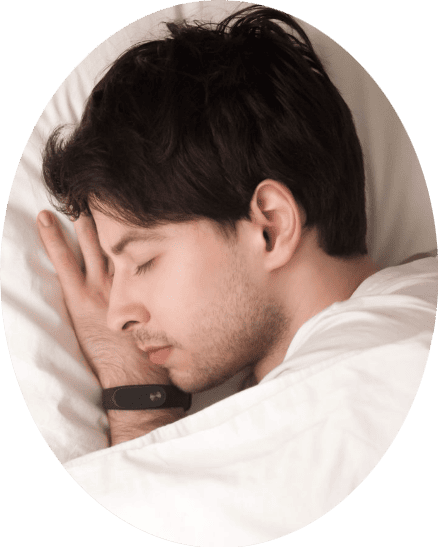
Sleep isn’t just about feeling rested tomorrow – it’s your most powerful tool for optimising healthspan and building resilience against aging. While you’re unconscious, your brain clears toxic proteins linked to cognitive decline, your immune system strengthens its defenses, and your cells repair damage accumulated throughout the day.
The latest longevity research reveals that quality sleep acts like a master reset button for your body’s most critical systems, from hormone regulation to DNA repair. Yet most people treat sleep as an afterthought, missing out on what researchers now consider one of the most effective (and free) anti-aging interventions available. Here’s how to transform your sleep from a biological necessity into a strategic advantage for your long-term health and performance.

Sleep operates as the foundation that either amplifies or undermines every other wellness investment you make. When optimised, it creates a positive cascade - better workouts, improved nutrition choices, stronger immunity, and enhanced cognitive performance. When compromised, the domino effect works against you, making sleep one of the highest-leverage investments in your wellness toolkit.

Sleep pattern calculators use cutting-edge science to decode your individual chronotype, circadian preferences, and natural rhythms, creating a customised sleep strategy that works with your body rather than against it. These sophisticated tools analyse your sleep cycles and timing preferences to unlock truly restorative rest. Here's how to discover your unique sleep profile and optimise your schedule..

The difference between dragging yourself out of bed and springing awake with natural energy comes down to strategic sleep hygiene practices that most people overlook. These evidence-based techniques work with your circadian biology to optimise sleep quality and ensure you wake up refreshed. Master these science-backed secrets, and you'll transform groggy mornings into energised starts.
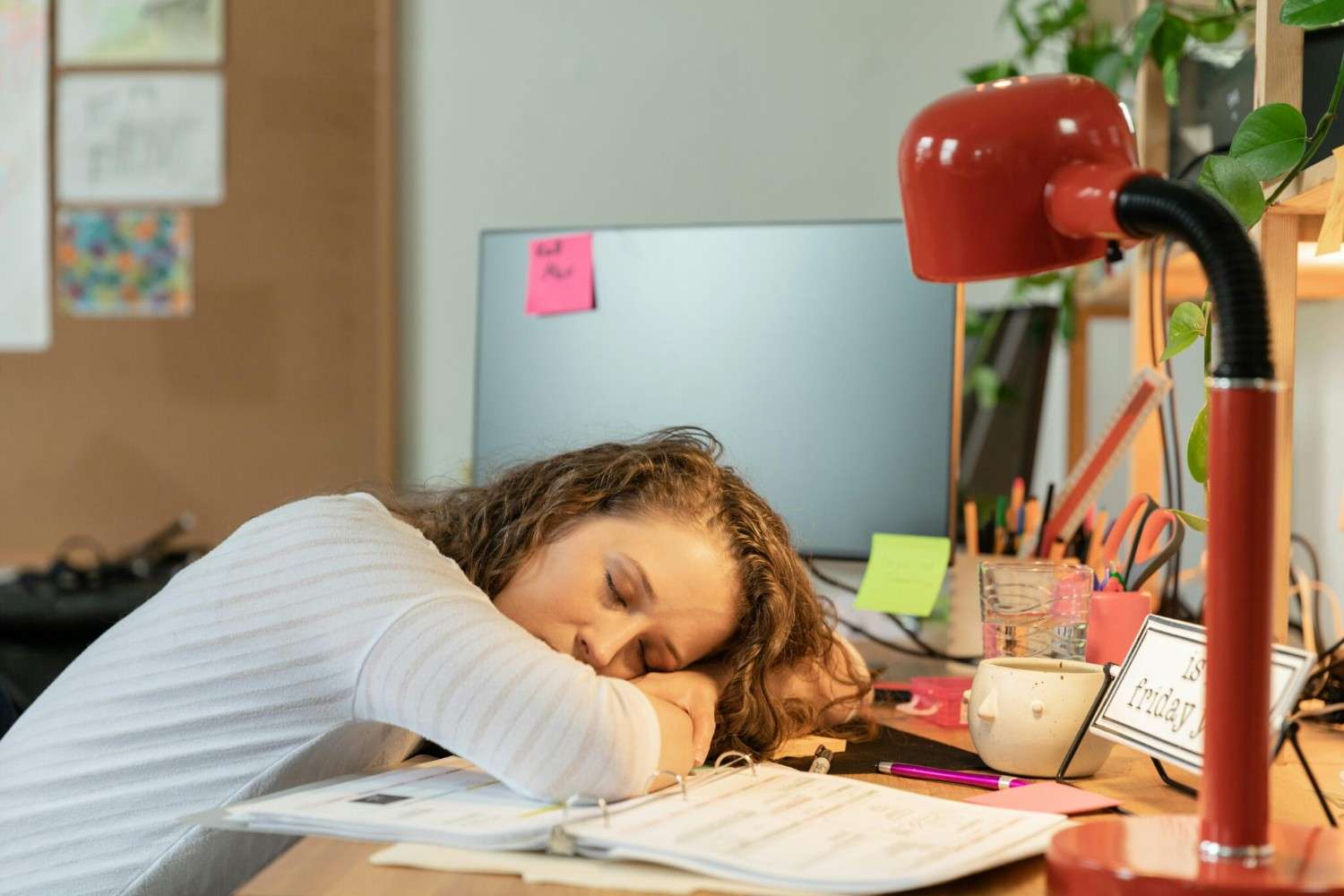
Persistent daytime sleepiness isn't just about needing more coffee - it's your body signalling that something needs attention in your sleep-wake system. From circadian misalignment to underlying health conditions, excessive sleepiness can stem from diverse causes that impact your performance and longevity. Understand when sleepiness requires simple lifestyle fixes versus professional attention

Quality sleep delivers measurable improvements across all aspects of wellness. Your immune system produces infection-fighting antibodies, your brain consolidates memories and processes emotions, and your body releases hormones that regulate appetite and stress. Research shows that people who consistently get quality sleep experience better mood regulation, enhanced physical performance, improved focus, and greater resilience to daily stressors.
Your brain experiences profound benefits during sleep that directly impact your daily performance and emotional well-being. During deep sleep phases, your brain consolidates memories, transferring important information from temporary storage to long-term memory networks. REM sleep supports emotional processing, helping you maintain psychological resilience and emotional balance. This is why a good night's sleep often provides clarity on problems that seemed overwhelming the day before.
The metabolic benefits of quality sleep extend far beyond feeling energised. Adequate sleep helps regulate leptin and ghrelin, hormones that control hunger and satiety, making it easier to maintain healthy eating patterns and stable energy levels throughout the day. Sleep also supports insulin sensitivity, helping your body efficiently process nutrients and maintain stable blood sugar levels that prevent energy crashes and mood swings.
Modern life presents unique challenges to natural sleep patterns. Blue light exposure from devices suppresses melatonin production, irregular schedules disrupt circadian rhythms, and stress keeps minds racing at bedtime. Simple interventions like strategic light management, consistent sleep timing, and intentional evening routines can dramatically improve sleep quality and transform your daily wellness experience.
The solution involves strategic light management throughout your evening. Begin dimming overhead lights 2-3 hours before bedtime, switch to warm-toned lamps, and implement a technology curfew at least one hour before sleep. If you must use devices, blue light filtering glasses or apps that adjust screen colour temperature can minimise the impact, though complete avoidance remains most effective.
Effective sleep optimisation focuses on three key areas: environment, timing, and preparation. Your sleep space should be cool (60-67°F), dark, and quiet. Your sleep timing should align with your natural rhythm while maintaining consistency. Your pre-sleep routine should begin 1-2 hours before bed, gradually preparing your body through dimmed lights, relaxation activities, and mindful technology use.
Temperature control is crucial because your body’s natural temperature drop in the evening signals sleepiness. Maintain your bedroom between 60-67°F (15-19°C), which may feel cool initially but supports your body’s natural thermoregulation. Consider breathable bedding materials, adequate ventilation, and even cooling mattress pads if you tend to sleep hot. Some people benefit from taking a warm bath 1-2 hours before bedtime, as the subsequent cooling effect mimics and enhances the natural temperature drop that promotes sleepiness.
While lifestyle modifications resolve most sleep challenges, certain signs warrant professional evaluation. Persistent daytime fatigue despite adequate sleep time, disruptive snoring, or consistent difficulty falling asleep may indicate underlying issues that require specialised attention for optimal wellness.
Persistent daytime fatigue despite apparently adequate sleep time often indicates either poor sleep quality or an underlying sleep disorder. If you consistently sleep 7-9 hours but still feel tired, experience difficulty concentrating, or find yourself needing caffeine throughout the day, professional evaluation can identify whether you’re experiencing sleep apnea, restless leg syndrome, or other conditions that fragment sleep without your awareness.
The sleep tracking market has exploded with devices promising to decode your sleep patterns and optimise your rest, but not all metrics are created equal. Understanding which data points actually improve your sleep – and which ones just feed our obsession with numbers – can help you use technology as a tool rather than letting it become another source of stress.
Sleep duration and consistency represent the most actionable metrics for most people. Tracking when you go to bed and wake up reveals patterns that often surprise users – that “early” bedtime might actually be later than you think, or your weekend sleep-ins might be disrupting your circadian rhythm more than you realise. Consistent sleep and wake times, ideally within a 30-minute window daily, form the foundation of quality sleep regardless of what other fancy metrics your device measures.
Sleep efficiency – the percentage of time you actually spend sleeping while in bed – provides valuable insights into sleep quality. If you’re spending 8 hours in bed but only sleeping 6.5 hours due to difficulty falling asleep or frequent awakenings, that’s actionable information that suggests you need to address sleep onset strategies or environmental factors rather than simply going to bed earlier.
Heart rate variability (HRV) during sleep can indicate recovery and stress levels, though this metric requires weeks of baseline data to become meaningful. A consistently low HRV might suggest you’re overtraining, under-recovering, or dealing with chronic stress that’s impacting your sleep quality. However, daily fluctuations are normal and shouldn’t drive immediate decisions.
Most adults need 7-9 hours of sleep nightly, but individual needs vary based on genetics, age, and lifestyle factors. The best indicator is how you feel during the day – if you’re consistently alert and energetic, you’re likely getting adequate sleep for your body.
Untreated sleep apnea increases risk of cardiovascular disease, stroke, and sudden cardiac events, but it’s highly treatable once diagnosed. If you experience loud snoring with breathing pauses or excessive daytime fatigue, seek professional evaluation promptly.
Focus on relaxing your body through progressive muscle relaxation, slow your breathing with the 4-7-8 technique (inhale 4 counts, hold 7, exhale 8), and keep your mind occupied with non-stimulating mental tasks like counting or visualization. Most importantly, don’t stress about falling asleep quickly – anxiety about sleep onset makes it harder to achieve.
Sleep is when your body performs critical maintenance including immune system strengthening, memory consolidation, cellular repair, and hormone regulation. Quality sleep directly impacts your energy, mood, cognitive performance, and overall wellness, making it as important as nutrition and exercise for optimal health.
All sleep stages work together and are essential – deep sleep supports physical recovery and immune function, while REM sleep handles memory consolidation and emotional processing. Rather than focusing on one stage, prioritise getting enough total sleep time and maintaining consistent sleep schedules to naturally optimise your sleep architecture.