

The power to save a life lies within each of us through the remarkable gift of stem cell donation. This life-changing process offers hope to thousands of patients worldwide who depend on healthy stem cells to overcome serious blood disorders, immune system diseases, and certain cancers. Understanding the donation process empowers wellness-conscious individuals to make informed decisions about this extraordinary opportunity to impact lives positively.
Modern medicine has transformed stem cell donations from complex medical procedures into relatively simple, safe processes that ordinary people can participate in with confidence. The growing need for diverse stem cell donors means that your unique genetic makeup could be the perfect match for someone in desperate need of a life-saving transplant. Every potential stem cell donor represents hope for patients worldwide who depend on finding compatible matches for successful treatment outcomes.
Understanding How Stem Cell Donations Work
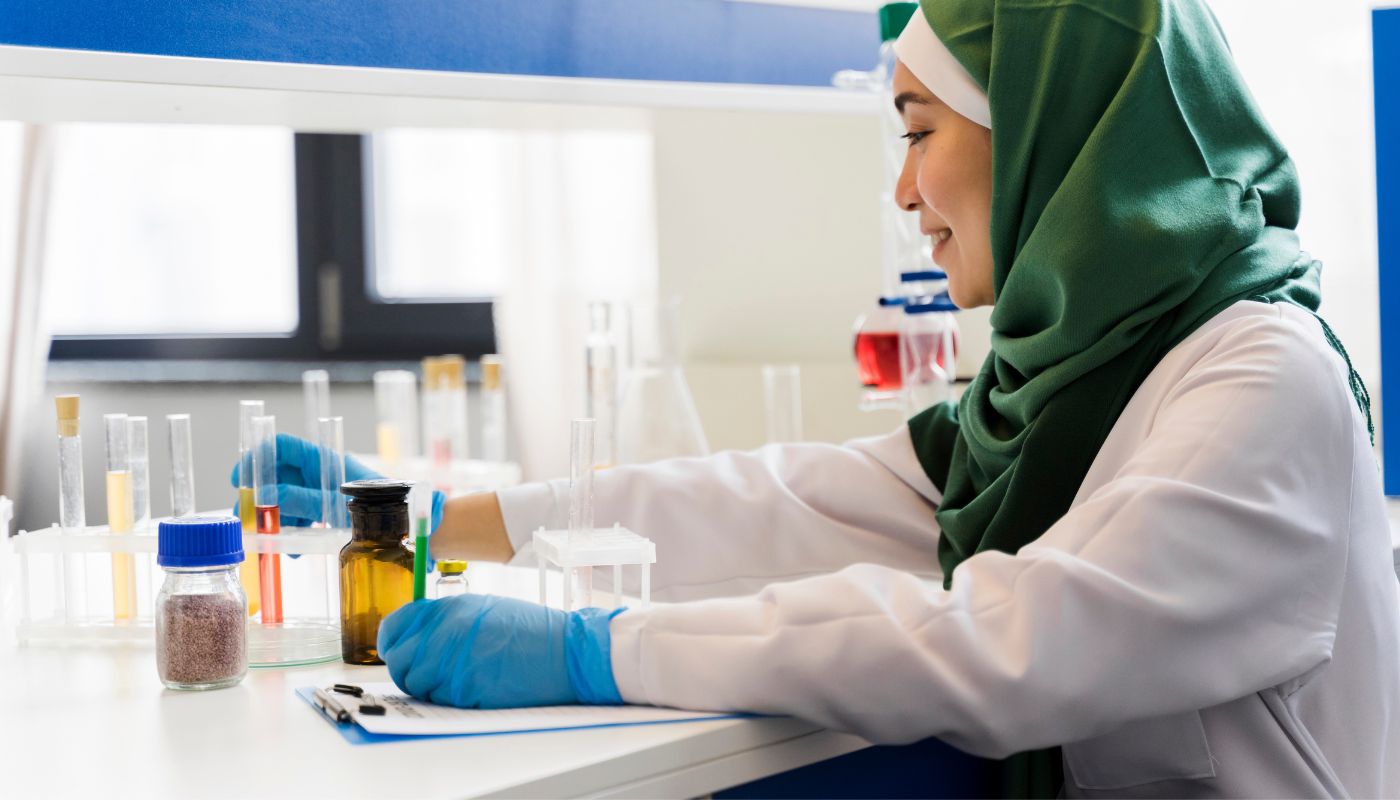
Stem cell donations represent one of medicine’s most powerful tools for treating blood cancers, immune disorders, and genetic diseases that affect the blood and immune system. The process relies on transferring healthy stem cells from a compatible donor to a patient whose own stem cells have been damaged by disease or intensive medical treatments.
The fundamental principle behind successful stem cell donations involves human leukocyte antigen (HLA) matching, which determines tissue compatibility between donors and recipients. These genetic markers, inherited from both parents, must closely match between donor and recipient to minimise the risk of rejection and maximise treatment success¹.
Stem cell donation begins with understanding that these powerful cells exist primarily in bone marrow, where they continuously produce new blood cells throughout life. When patients receive chemotherapy or radiation therapy for blood cancers, these treatments often destroy both diseased and healthy stem cells, creating a critical need for replacement cells from healthy donors.
The donation process essentially provides patients with a new immune system and blood-producing capacity. Donated stem cells migrate to the recipient’s bone marrow, establish themselves in specialised niches, and begin producing healthy blood cells. This process, called engraftment, typically occurs within 2-4 weeks of transplantation.
Modern stem cell donations can save lives in multiple ways. They provide immediate treatment for blood cancers like leukemia and lymphoma, offer hope for genetic disorders affecting blood production, and help patients recover from intensive cancer treatments that have damaged their natural stem cell populations.
The global stem cell donation register continues expanding as medical professionals recognise that genetic diversity among donors significantly improves matching success rates. Patients from minority ethnic backgrounds often face particular challenges finding suitable matches, making diverse stem cell donor participation especially valuable for saving lives across all communities. Each registered stem cell donor increases the chances of finding perfect matches for patients in critical need.
Stem Cell Donor Requirements
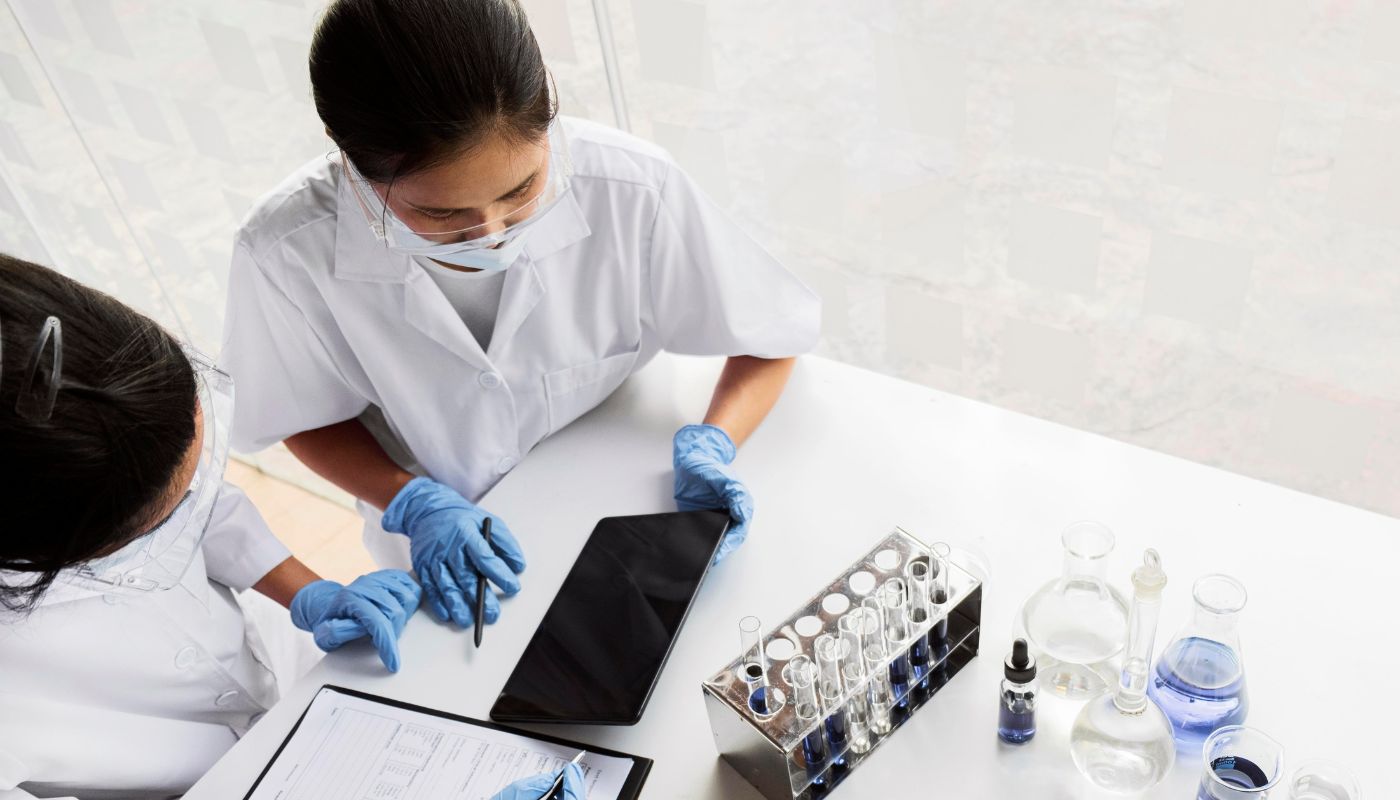
Stem cell donor requirements are designed to ensure both donor safety and recipient treatment success while maintaining the highest medical standards throughout the donation process. These carefully established criteria protect donors from unnecessary risks while maximising the therapeutic potential of donated stem cells for patients in need.
Age Specifications:
- Age requirements typically range from 18 to 55 years for initial registration, though some programs accept donors up to age 40 for optimal stem cell quality and donor safety. Younger donors generally produce more robust stem cells with greater regenerative potential, though healthy older donors can still provide life-saving treatments.
Health Standards:
- General health standards require donors to maintain good overall physical condition without chronic medical conditions that could compromise donation safety or stem cell quality. Donors must be free from blood-borne infections, autoimmune diseases, and certain genetic conditions that could be transmitted to recipients.
Weight Requirements:
- Weight requirements ensure donors can safely tolerate the donation procedure while producing adequate stem cell quantities for successful transplantation. Most programs require donors to weigh at least 110 pounds, with upper weight limits varying by specific donation method and individual health assessment.
Medical Screening:
The stem cell donation register maintains strict confidentiality while conducting comprehensive medical evaluations to verify donor suitability. This process includes detailed medical history reviews, physical examinations, and laboratory testing to confirm compatibility and safety for both donors and recipients.
Lifestyle Factors:
These include non-smoking preferences with limits on certain medications and supplements.
International coordination through organisations like the World Marrow Donor Association ensures that qualified donors can help patients anywhere in the world. This global network dramatically increases matching possibilities while maintaining consistent safety and quality standards across participating countries.
Stem Cell Donation Procedure: Step-by-Step Process
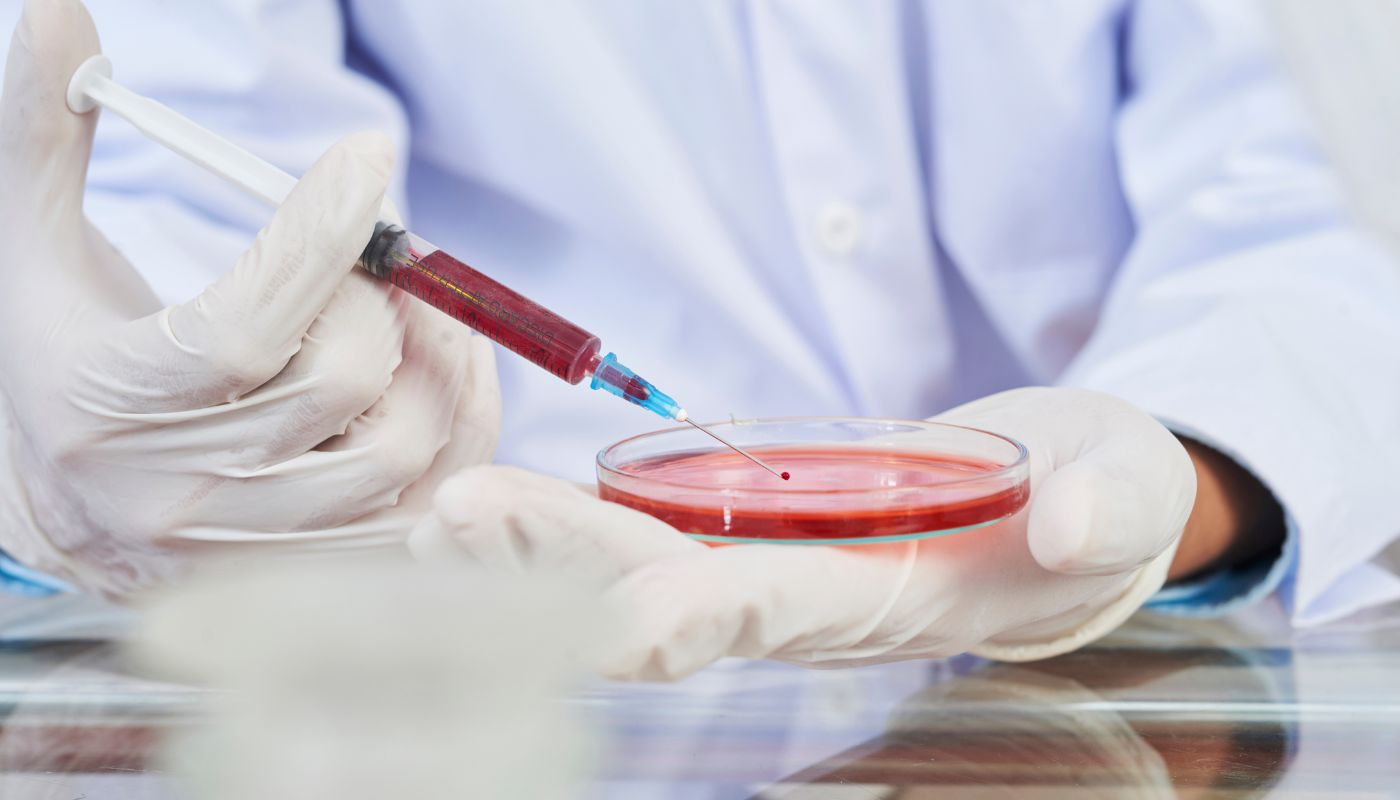
The stem cell donation procedure has evolved significantly over recent decades, transforming from major surgical interventions into outpatient processes that prioritise donor comfort and safety. Understanding each step helps potential donors approach the experience with confidence while appreciating the sophisticated medical care involved in successful collections.
- Peripheral blood stem cell collection, used in approximately 80% of donations, begins with a preparation phase involving growth factor injections. These medications, typically given over 4-5 days, stimulate stem cells to move from bone marrow into circulating blood where they can be collected through a process called apheresis².
- The apheresis procedure resembles blood donation but takes 4-6 hours to complete. Donors rest comfortably while blood circulates through a specialised machine that separates and collects stem cells while returning other blood components to the donor. Most donors experience minimal discomfort and can resume normal activities within a few days.
- Bone marrow donation, used in about 20% of cases when specifically requested for medical reasons, involves a surgical procedure performed under general anesthesia. Doctors use specialised needles to extract marrow from the donor’s pelvic bones, typically collecting 1-2 liters of bone marrow containing millions of stem cells. Recovery from bone marrow donation usually takes 1-2 weeks, with most donors experiencing soreness similar to a bruised tailbone. Pain medications help manage discomfort during the initial healing period, and donors typically return to normal activities within 7-10 days of the procedure.
Medical teams monitor donors closely throughout both types of procedures, ensuring safety while optimising stem cell collection quality. Experienced healthcare professionals provide comprehensive care from initial evaluation through post-donation follow-up, maintaining communication with donors throughout the entire experience.
Post-donation care includes regular check-ups to monitor donor recovery and overall health. These follow-up appointments help identify any potential complications early while providing ongoing support for donors who have made this significant contribution to saving lives.
Stem Cell Blood Donation: Peripheral Collection Methods and Modern Techniques
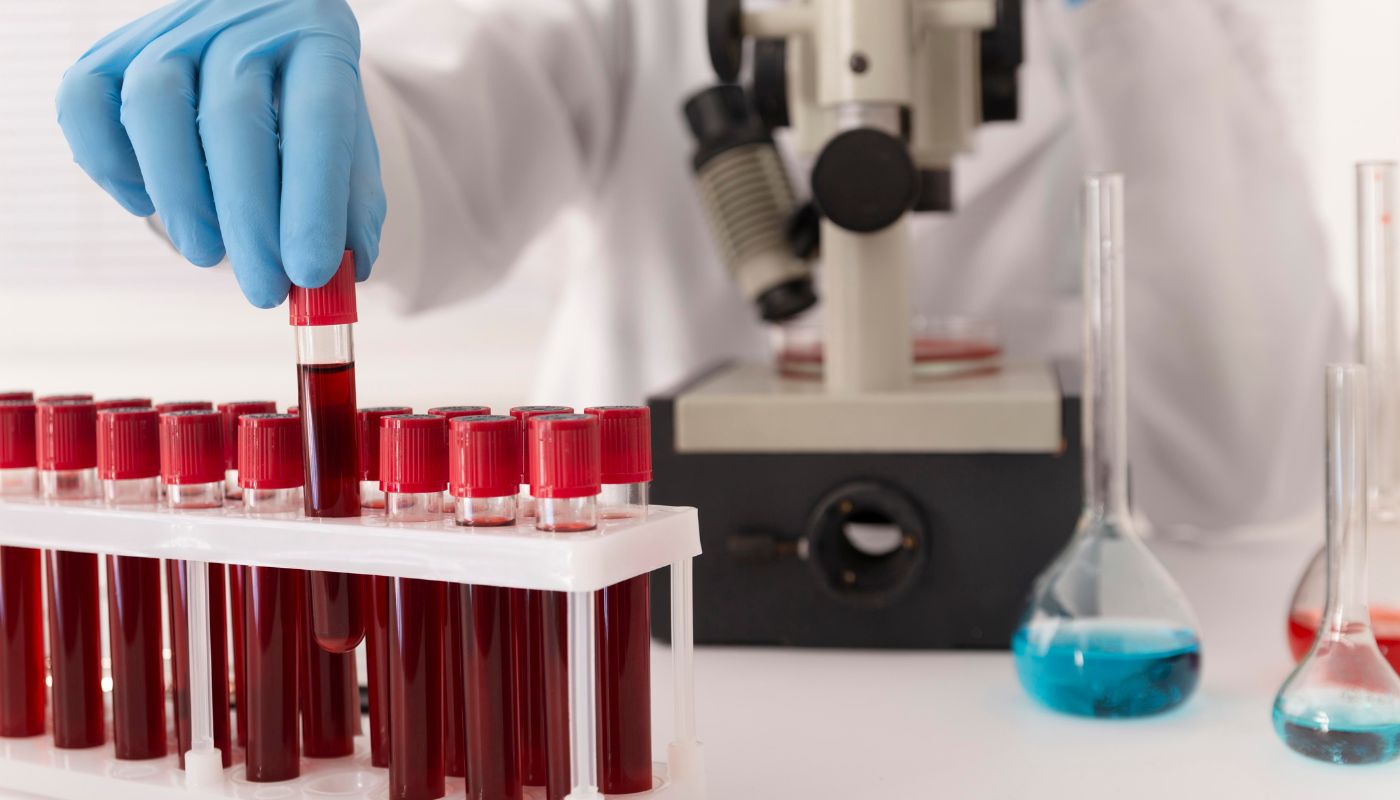
Stem cell donation umbilical cord represents a unique opportunity to preserve powerful regenerative cells that would otherwise be discarded after childbirth. Umbilical cord blood contains a rich concentration of hematopoietic stem cells that can treat numerous blood disorders, immune system diseases, and certain genetic conditions with remarkable success rates.
The collection process occurs immediately after birth and poses no risks to mother or baby. Healthcare providers drain blood from the umbilical cord and placenta into specialised collection bags, capturing millions of stem cells that would typically be disposed of as medical waste. This simple procedure adds no complications to the delivery process while providing potentially life-saving therapeutic material.
Umbilical cord blood offers several advantages over adult stem cell donations, including lower risk of graft-versus-host disease, reduced matching requirements, and immediate availability when needed. These cells demonstrate greater flexibility in compatibility matching, making them suitable for patients who might not find suitable adult donors.
Processing and storage of cord blood involves sophisticated cryopreservation techniques that maintain stem cell viability for decades. Specialised facilities test, process, and freeze cord blood units using protocols that ensure optimal cell survival and therapeutic potential when needed for transplantation.
Public cord blood banks accept donations for use by any compatible patient worldwide, while private banks store cord blood exclusively for the donating family. Public donation provides broader societal benefits by contributing to the global inventory available for patients in need of stem cell transplants³.
The uses of umbilical stem cells continue expanding as research demonstrates their effectiveness in treating over 80 different medical conditions. Current applications include blood cancers, immune disorders, and genetic diseases, with ongoing research exploring potential treatments for cerebral palsy, autism, and other neurological conditions.
Stem Cell Donation Umbilical Cord and Banking Life-Saving Potential at Birth

Cell stem treatment encompasses a broad spectrum of medical applications designed to harness the regenerative potential of stem cells for treating various conditions. Current clinical applications demonstrate remarkable success in treating blood disorders, immune system deficiencies, and certain types of cancer through established protocols.
Treating Leukemia, Lymphoma, and Other Blood-related Disorders
Hematopoietic stem cell treatments have shown exceptional efficacy in treating leukemia, lymphoma, and other blood-related disorders. These treatments involve replacing damaged bone marrow with healthy stem cells that can regenerate the entire blood and immune system. Success rates for certain conditions exceed 80% when appropriate donor matches are available⁴.
Treating Osteoarthritis, Tendon Injuries, and Bone Fractures
Orthopedic applications of stem cell treatment focus on repairing damaged cartilage, bones, and soft tissues. Mesenchymal stem cells derived from bone marrow or adipose tissue show promise in treating osteoarthritis, tendon injuries, and bone fractures that fail to heal through conventional methods.
Severe Cardiac Conditions
Cardiac stem cell treatments aim to repair heart muscle damaged by heart attacks or heart failure. Early clinical trials suggest that stem cell injections can improve heart function and reduce symptoms in patients with severe cardiac conditions, though long-term outcomes require further study.
Spinal Cord Injury, Parkinson’s Disease, Multiple Sclerosis, Stroke and more.
Neurological applications represent one of the most promising frontiers in stem cell treatment. Research indicates potential benefits for treating spinal cord injuries, Parkinson’s disease, multiple sclerosis, and stroke recovery. However, most neurological applications remain in experimental phases requiring additional clinical validation.
- Autoimmune disease treatment: Using stem cells to reset dysfunctional immune systems
- Tissue engineering applications: Creating replacement organs and tissues in laboratories
- Age-related condition management: Addressing degenerative diseases associated with ageing
- Wound healing enhancement: Accelerating recovery from severe burns and chronic wounds
Vision restoration research: Developing treatments for macular degeneration and blindness
Stem Cell Donation Benefits
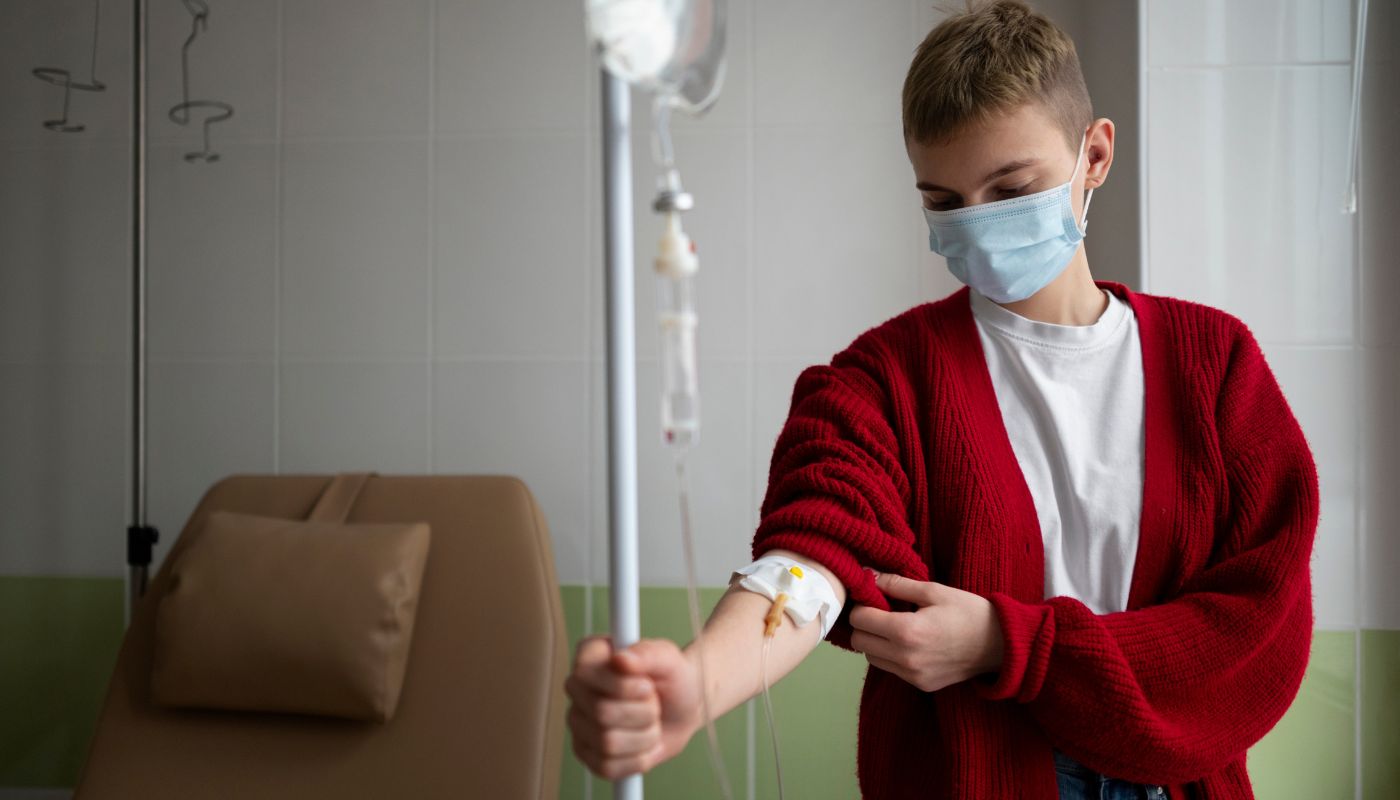
For recipients, stem cell donations literally provide a second chance at life. Patients with blood cancers, immune disorders, and genetic diseases often face terminal diagnoses without successful stem cell transplants. Donated cells can eliminate diseased tissue, restore normal immune function, and provide decades of additional healthy life for recipients and their families.
The emotional rewards for donors prove surprisingly profound, with many describing the donation experience as one of their most meaningful life accomplishments. Knowing that their cells are actively working to save someone’s life creates lasting satisfaction and a sense of purpose that extends well beyond the donation procedure itself. Many stem cell donor testimonials describe the experience as transformative, providing deep personal fulfillment that enriches their own wellness journey.
Medical advancements benefit from each donation through improved understanding of stem cell biology, transplantation outcomes, and therapeutic applications. Donor participation contributes to research that continues expanding treatment options while improving success rates for future patients requiring stem cell interventions.
Community impact multiplies as successful transplants allow recipients to return to productive lives, contributing to their families, careers, and social networks. This ripple effect demonstrates how individual donation decisions can strengthen entire communities while inspiring others to consider similar life-saving contributions.
Stem cell donation pay varies by location and program type, though most registries operate on a volunteer basis with donors receiving compensation for time, travel, and related expenses. The primary motivation remains the opportunity to save lives rather than financial reward, though reasonable expense coverage ensures that donation doesn’t create financial hardship.
Long-term follow-up studies demonstrate that stem cell donors maintain excellent health outcomes with no increased risk of medical complications. This safety record, combined with the profound benefits for recipients, makes stem cell donation one of the most rewarding ways individuals can contribute to human health and wellbeing.
Stem Cell Donation Risks and Side Effects:
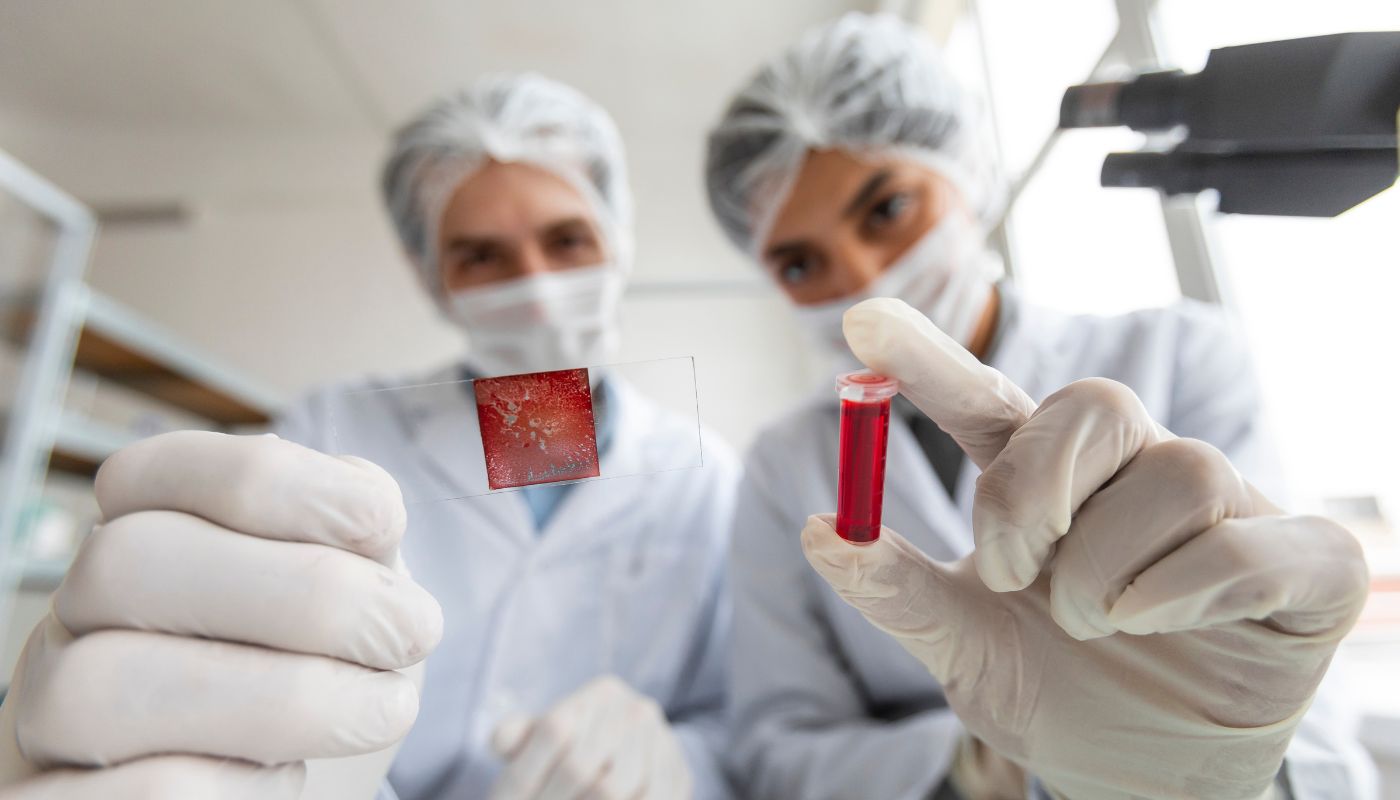
Joining the stem cell donation register represents the first step toward potentially saving someone’s life while contributing to the global effort to treat serious blood disorders and immune system diseases. The registration process has been streamlined to make participation convenient while maintaining the rigorous standards necessary for successful donations.
The stem cell donation nhs and other national programs provide free registration services that include genetic testing to determine your unique HLA profile. Initial registration typically involves completing comprehensive health questionnaires, providing consent for genetic testing, and submitting saliva or blood samples for HLA typing. These samples allow laboratories to determine your genetic markers while screening for infectious diseases that could affect donation safety.
Most donors wait months or years before being contacted as potential matches, though some may never be called if their genetic profile doesn’t match any patients in need.
When contacted as a potential match, donors undergo additional medical evaluation including physical examination, blood tests, and consultation with transplant specialists. This process ensures that donation will be safe for both donor and recipient while optimising treatment outcomes.
Modern communication technologies allow some donors to maintain contact with recipients, sharing progress updates and celebrating recovery milestones together. These relationships often prove deeply meaningful for both parties, creating lasting connections forged through the shared experience of life-saving treatment⁵.
Joining the Stem Cell Donation Register and Making a Difference
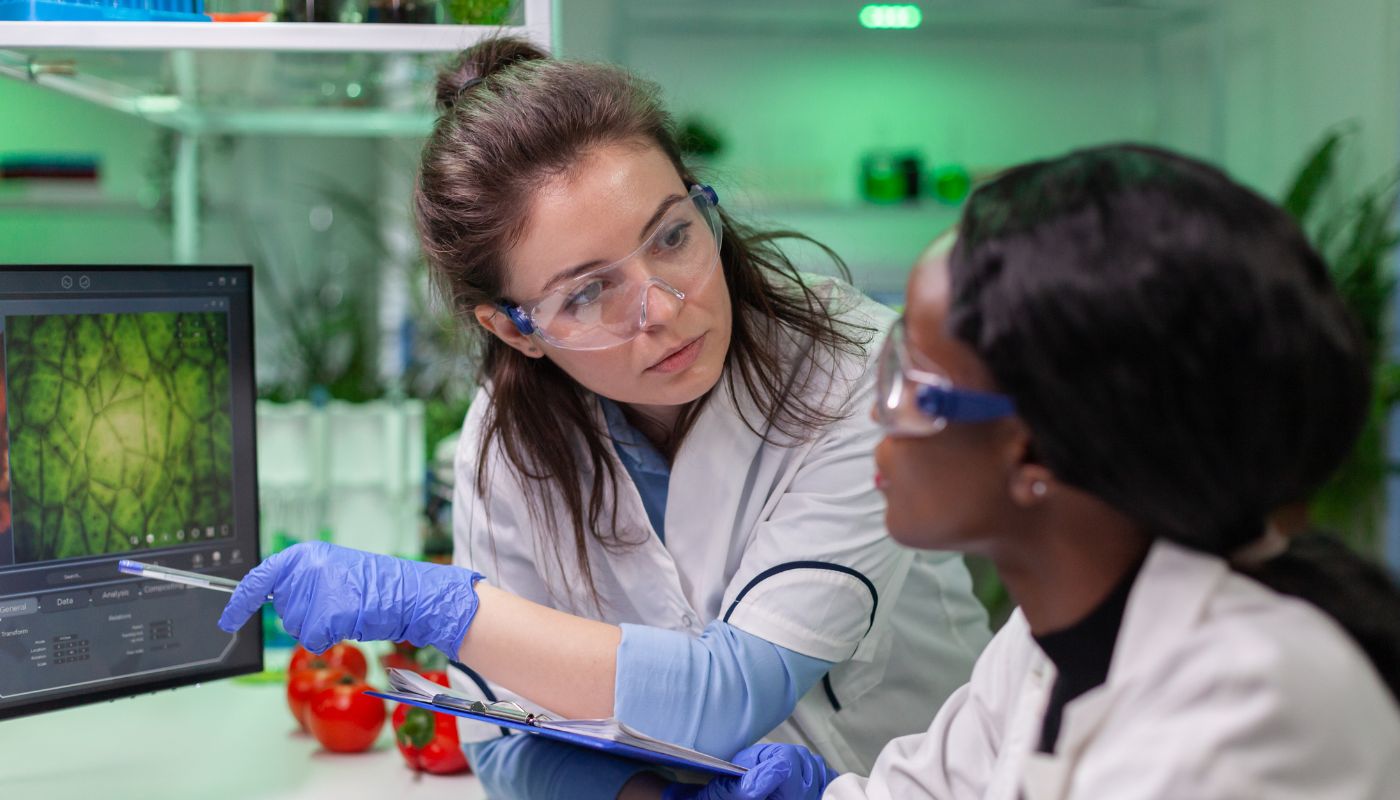
The field of stem cell research continues advancing rapidly, with emerging technologies promising to overcome current limitations while expanding therapeutic applications. Gene editing techniques like CRISPR-Cas9 enable scientists to correct genetic defects in stem cells before transplantation, potentially curing inherited diseases at the cellular level.
Tissue engineering combines stem cells with biomaterial scaffolds to create functional organs and tissues for transplantation. This approach could address organ shortages while eliminating rejection risks associated with traditional organ transplants.
Manufacturing advances aim to develop standardised, cost-effective production methods for clinical-grade stem cells. These improvements could make treatments more accessible while ensuring consistent quality and safety standards across different medical facilities.
References:
- Biology of Blood and Marrow Transplantation. (2023). HLA Matching in Stem Cell Transplantation: Current Standards and Future Directions.
- Blood Journal. (2022). Peripheral Blood Stem Cell Collection: Safety Outcomes from 10,000 Donor Procedures.
- Cord Blood Registry International. (2023). Global Impact of Umbilical Cord Blood Donations: Treatment Outcomes and Future Applications.
- New England Journal of Medicine. (2022). Long-term Safety of Stem Cell Donors: 20-Year Follow-up Study Results.
- Journal of Hematotherapy & Stem Cell Research. (2023). Psychosocial Benefits of Stem Cell Donation: Donor and Recipient Perspectives.