

Stem cell transplant represents one of modern medicine’s most powerful therapeutic interventions, offering hope and healing for patients facing serious blood disorders, cancers, and immune system diseases. This revolutionary treatment has transformed the prognosis for conditions once considered untreatable, providing patients with the opportunity for complete recovery and extended, healthy lives.
Understanding the complexities of stem cell transplant procedures helps patients and their families navigate this challenging yet hopeful journey with confidence and realistic expectations. The treatment involves replacing damaged or diseased bone marrow with healthy stem cells capable of producing new, functional blood and immune system components.
The decision to undergo stem cell transplant requires careful consideration of potential benefits, risks, and recovery requirements. This comprehensive guide provides essential information for wellness-focused individuals seeking to understand how these procedures work, what to expect during recovery, and how transplants treat specific medical conditions.
Modern advances in transplant medicine have significantly improved success rates while reducing complications, making these procedures more accessible and effective than ever before. The continuous evolution of treatment protocols offers increasing hope for patients worldwide who depend on these life-saving interventions.
How Stem Cell Transplant is Done

Stem cell donations represent one of medicine’s most powerful tools for treating blood cancers, immune disorders, and genetic diseases that affect the blood and immune system. The process relies on transferring healthy stem cells from a compatible donor to a patient whose own stem cells have been damaged by disease or intensive medical treatments.
The fundamental principle behind successful stem cell donations involves human leukocyte antigen (HLA) matching, which determines tissue compatibility between donors and recipients. These genetic markers, inherited from both parents, must closely match between donor and recipient to minimise the risk of rejection and maximise treatment success¹.
Stem cell donation begins with understanding that these powerful cells exist primarily in bone marrow, where they continuously produce new blood cells throughout life. When patients receive chemotherapy or radiation therapy for blood cancers, these treatments often destroy both diseased and healthy stem cells, creating a critical need for replacement cells from healthy donors.
The donation process essentially provides patients with a new immune system and blood-producing capacity. Donated stem cells migrate to the recipient’s bone marrow, establish themselves in specialised niches, and begin producing healthy blood cells. This process, called engraftment, typically occurs within 2-4 weeks of transplantation.
Modern stem cell donations can save lives in multiple ways. They provide immediate treatment for blood cancers like leukemia and lymphoma, offer hope for genetic disorders affecting blood production, and help patients recover from intensive cancer treatments that have damaged their natural stem cell populations.
The global stem cell donation register continues expanding as medical professionals recognise that genetic diversity among donors significantly improves matching success rates. Patients from minority ethnic backgrounds often face particular challenges finding suitable matches, making diverse stem cell donor participation especially valuable for saving lives across all communities. Each registered stem cell donor increases the chances of finding perfect matches for patients in critical need.
Stem Cell Donor Requirements

Stem cell donor requirements are designed to ensure both donor safety and recipient treatment success while maintaining the highest medical standards throughout the donation process. These carefully established criteria protect donors from unnecessary risks while maximising the therapeutic potential of donated stem cells for patients in need.
Age Specifications:
- Age requirements typically range from 18 to 55 years for initial registration, though some programs accept donors up to age 40 for optimal stem cell quality and donor safety. Younger donors generally produce more robust stem cells with greater regenerative potential, though healthy older donors can still provide life-saving treatments.
Health Standards:
- General health standards require donors to maintain good overall physical condition without chronic medical conditions that could compromise donation safety or stem cell quality. Donors must be free from blood-borne infections, autoimmune diseases, and certain genetic conditions that could be transmitted to recipients.
Weight Requirements:
- Weight requirements ensure donors can safely tolerate the donation procedure while producing adequate stem cell quantities for successful transplantation. Most programs require donors to weigh at least 110 pounds, with upper weight limits varying by specific donation method and individual health assessment.
Medical Screening:
The stem cell donation register maintains strict confidentiality while conducting comprehensive medical evaluations to verify donor suitability. This process includes detailed medical history reviews, physical examinations, and laboratory testing to confirm compatibility and safety for both donors and recipients.
Lifestyle Factors:
These include non-smoking preferences with limits on certain medications and supplements.
International coordination through organisations like the World Marrow Donor Association ensures that qualified donors can help patients anywhere in the world. This global network dramatically increases matching possibilities while maintaining consistent safety and quality standards across participating countries.
Stem Cell Transplant Autologous: Using Your Own Cells for Healing
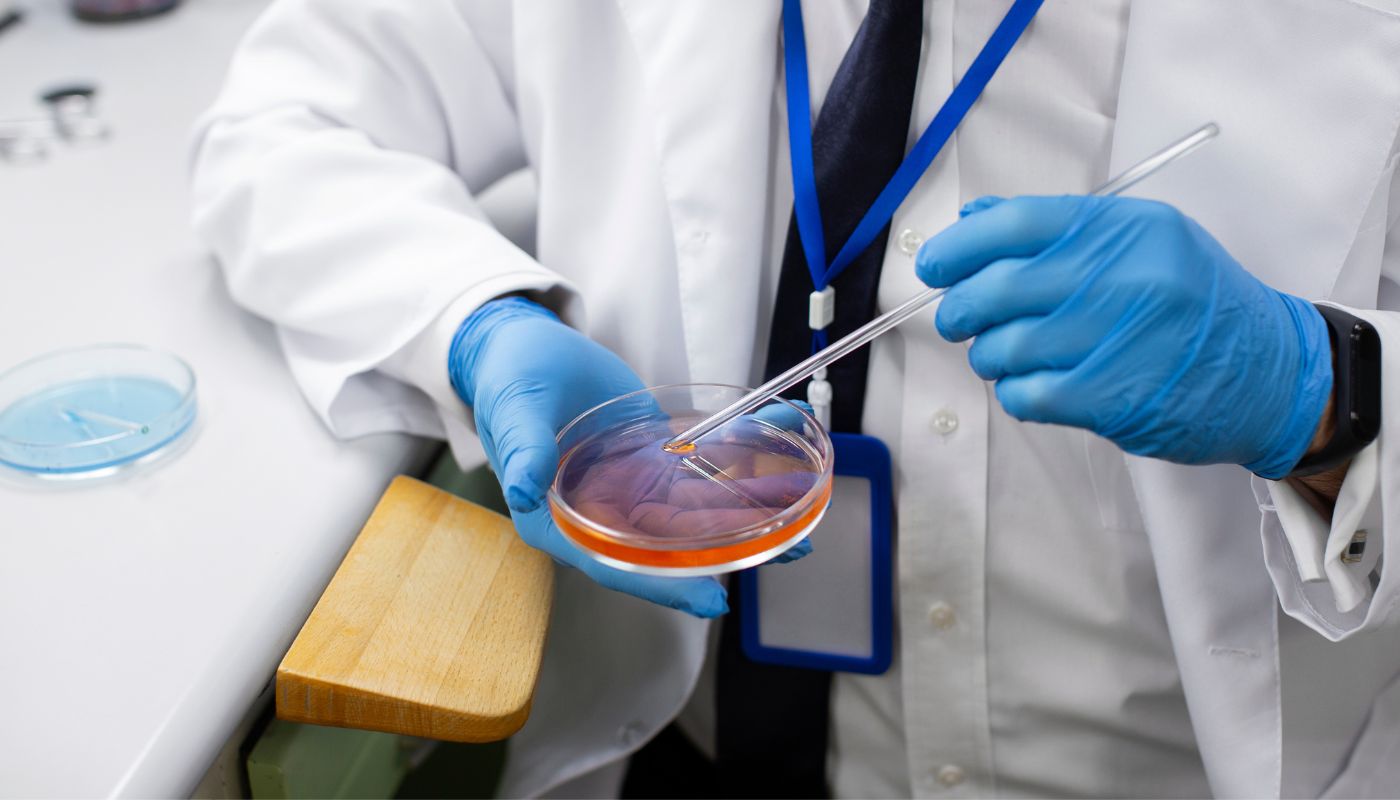
Stem cell transplant autologous procedures utilise the patient’s own healthy stem cells, offering several advantages including reduced risk of rejection and lower rates of graft-versus-host disease. This approach involves collecting and preserving the patient’s stem cells before intensive treatment, then reinfusing them to restore bone marrow function.
The collection process for autologous transplants typically occurs when patients are in remission and their stem cells are healthy and functional. Patients receive growth factor medications to mobilise stem cells from bone marrow into peripheral blood where they can be collected through apheresis procedures.
Harvested stem cells undergo processing and cryopreservation using specialised techniques that maintain their viability during storage. These cells can remain frozen for years while patients complete other treatments, ensuring availability when transplant becomes medically appropriate.
Autologous transplants are commonly used for treating multiple myeloma, lymphomas, and certain solid tumors where the primary disease doesn’t directly affect stem cell quality. This approach allows patients to receive higher-dose chemotherapy or radiation therapy than their bone marrow could normally tolerate.
Recovery from autologous transplants generally proceeds faster than allogeneic procedures because there’s no risk of immune rejection. Patients typically experience shorter hospitalisation periods and fewer long-term complications, though they still require careful monitoring during recovery.
The success of autologous transplants depends heavily on collecting adequate numbers of healthy stem cells and ensuring the underlying disease is in remission. Patients with extensive prior chemotherapy may have difficulty producing sufficient stem cells for successful transplantation.
Stem Cell Transplant Cost and Accessibility

Stem cell transplant cost represents a significant financial consideration for patients and healthcare systems, with total expenses often exceeding $200,000-$800,000 depending on transplant type, complications, and recovery duration. These costs include pre-transplant evaluation, conditioning treatment, the transplant procedure, hospitalisation, and long-term follow-up care².
Stem cell transplant cost in the UK varies through the National Health Service, where eligible patients receive treatment without direct charges. The stem cell transplant NHS system provides comprehensive coverage including donor search, conditioning therapy, transplant procedures, and extensive follow-up care for qualifying patients.
Insurance coverage in other countries varies significantly, with most comprehensive health plans covering medically necessary transplants after prior authorisation. Patients should work closely with financial counselors and insurance representatives to understand coverage details and potential out-of-pocket expenses.
Additional costs may include travel expenses for treatment at specialised centers, accommodation for family members, lost income during recovery, and ongoing medications. Many transplant centers offer financial assistance programs and resources to help patients manage these expenses.
Stem Cell Transplant Side Effects

Stem cell transplant side effects vary significantly depending on the type of transplant, conditioning regimen intensity, patient age, and overall health status. Understanding potential complications helps patients and families prepare for recovery while recognising when medical attention becomes necessary.
Immediate side effects typically result from conditioning chemotherapy and radiation therapy rather than the transplant itself. These may include nausea, vomiting, fatigue, mouth sores, diarrhea, and hair loss. Medications and supportive care measures effectively manage most acute symptoms during hospitalisation.
Infection risks remain elevated for weeks to months after transplant due to compromised immune system function. Patients must follow strict precautions including hand hygiene, avoiding crowds, wearing masks in public, and monitoring for signs of bacterial, viral, or fungal infections.
Graft-versus-host disease (GVHD) affects patients receiving allogeneic transplants when donor immune cells attack the recipient’s tissues. This condition can affect skin, digestive system, liver, and other organs, requiring ongoing medical management and immunosuppressive medications.
Long-term side effects may develop months or years after transplant, including secondary cancers, organ damage, fertility issues, and chronic GVHD. Regular follow-up care helps detect and manage these complications early, improving long-term outcomes and quality of life.
Stem cell transplant for hair loss occurs universally due to conditioning treatments, though hair typically regrows within 3-6 months after transplant. The new hair may differ in texture or color but usually returns to normal characteristics over time.
- Acute symptoms: Nausea, fatigue, mouth sores, and digestive issues during early recovery
- Infection vulnerability: Increased susceptibility to bacterial, viral, and fungal infections
- GVHD complications: Immune system attacks on recipient tissues requiring ongoing management
- Organ toxicity: Potential damage to heart, lungs, liver, and kidneys from intensive treatments
- Long-term effects: Secondary cancers, fertility issues, and chronic health monitoring needs
Stem Cell Transplant Success Rates

Stem cell transplant success rate varies considerably based on factors including patient age, diagnosis, disease stage, transplant type, donor compatibility, and overall health status. Understanding these variables helps patients form realistic expectations while maintaining hope for successful outcomes.
Overall five-year survival rates for stem cell transplants range from 30% to 80% depending on the specific condition and circumstances. Younger patients with less advanced disease typically experience higher success rates, while older patients or those with multiple medical conditions face greater challenges³.
Autologous transplants generally show higher success rates for appropriate conditions, with five-year survival rates often exceeding 70% for multiple myeloma and certain lymphomas. The reduced risk of graft-versus-host disease contributes significantly to these improved outcomes.
Allogeneic transplant success rates depend heavily on donor compatibility and patient factors, with matched sibling donors providing the best outcomes. Unrelated donor transplants have improved dramatically with advanced matching techniques and better supportive care protocols.
Disease-specific success rates vary significantly, with acute leukemia in remission showing 60-70% long-term survival, while advanced solid tumors may have lower success rates. The timing of transplant relative to disease progression significantly impacts outcomes.
Stem cell transplant death rate has decreased substantially over recent decades due to improved patient selection, advanced supportive care, and better understanding of optimal timing. Current transplant-related mortality rates range from 10-30% depending on transplant type and patient factors.
Stem Cell Donation Risks and Side Effects:

Joining the stem cell donation register represents the first step toward potentially saving someone’s life while contributing to the global effort to treat serious blood disorders and immune system diseases. The registration process has been streamlined to make participation convenient while maintaining the rigorous standards necessary for successful donations.
The stem cell donation nhs and other national programs provide free registration services that include genetic testing to determine your unique HLA profile. Initial registration typically involves completing comprehensive health questionnaires, providing consent for genetic testing, and submitting saliva or blood samples for HLA typing. These samples allow laboratories to determine your genetic markers while screening for infectious diseases that could affect donation safety.
Most donors wait months or years before being contacted as potential matches, though some may never be called if their genetic profile doesn’t match any patients in need.
When contacted as a potential match, donors undergo additional medical evaluation including physical examination, blood tests, and consultation with transplant specialists. This process ensures that donation will be safe for both donor and recipient while optimising treatment outcomes.
Modern communication technologies allow some donors to maintain contact with recipients, sharing progress updates and celebrating recovery milestones together. These relationships often prove deeply meaningful for both parties, creating lasting connections forged through the shared experience of life-saving treatment⁵.
The Recovery Timeline Post Stem Cell Transplant

30 days after stem cell transplant represents a critical milestone where patients typically achieve initial engraftment and begin showing signs of immune system recovery. During this period, patients require intensive monitoring for complications while gradually resuming normal activities under medical supervision.
Early recovery focuses on preventing infections, managing side effects, and monitoring for signs of engraftment. Patients typically remain in protective environments with frequent blood tests, symptom assessments, and adjustment of supportive care medications.
The first month often brings challenges including fatigue, appetite changes, mood fluctuations, and physical deconditioning. Rehabilitation services including physical therapy, nutrition counseling, and psychological support help patients navigate these difficulties while building strength for continued recovery.
6 months post stem cell transplant marks a significant recovery milestone where many patients experience substantial improvement in energy levels, immune function, and overall quality of life. Long-term side effects may become apparent during this period, requiring ongoing medical management.
Many patients return to work or normal activities by six months, though some may require additional recovery time depending on their specific circumstances and complications. Regular follow-up appointments continue monitoring for late effects and disease recurrence.
The six-month timeframe typically allows for completion of initial recovery phases and assessment of transplant success. Patients who achieve this milestone without major complications generally have excellent long-term prognoses.
Stem Cell Transplant for Specific Conditions: Targeted Treatment Approaches

Blood cancer applications:
Stem cell transplant for leukemia represents one of the most established applications, with different leukemia types showing varying response rates. Acute leukemia patients often receive allogeneic transplants during remission, while chronic leukemia may be treated with either autologous or allogeneic approaches depending on specific characteristics.
Stem cell transplant for lymphoma frequently utilises autologous procedures, particularly for patients with relapsed Hodgkin lymphoma or aggressive non-Hodgkin lymphomas. These transplants allow higher-dose chemotherapy than conventional treatment while maintaining acceptable safety profiles.
Stem cell transplant for myeloma has become standard treatment for eligible patients, with autologous procedures showing significant survival benefits. Multiple transplants may be performed over time to maintain disease control and extend progression-free survival⁴.
- Genetic disorder treatments:
Stem cell transplant sickle cell disease offers potential cure for this genetic condition, particularly in younger patients with severe complications. These procedures replace the patient’s bone marrow with cells capable of producing normal hemoglobin.
- Autoimmune interventions:
Stem cell transplant for ms (multiple sclerosis) remains experimental, with clinical trials investigating autologous transplants for aggressive multiple sclerosis cases. Early results suggest potential benefits for halting disease progression in carefully selected patients.
Metabolic disorder research and Emerging Applications
Emerging applications include stem cell transplant for diabetes, where researchers investigate using transplants to restore insulin production, and stem cell transplant for hiv, exploring cure strategies through resistant donor cells. Stem cell transplant to treat autism remains highly experimental with limited scientific support.
Long-term Outcomes and Quality of Life Considerations
Long-term survivors of stem cell transplant generally experience good quality of life, though many require ongoing medical monitoring and management of chronic effects. Regular follow-up care focuses on preventing complications, detecting late effects early, and optimising overall health and wellness.
Chronic graft-versus-host disease affects approximately 30-40% of allogeneic transplant recipients, requiring long-term immunosuppressive therapy and careful monitoring. Modern treatment approaches have improved management of this condition while maintaining acceptable quality of life.
Secondary cancers represent a serious long-term risk, occurring in 10-15% of transplant survivors within 10 years. Regular screening protocols help detect these cancers early when treatment is most effective.
Fertility issues commonly affect transplant recipients due to conditioning treatments, though fertility preservation techniques before transplant may allow future family planning. Many centers now routinely discuss these options with appropriate patients.
Psychological and social support remains important throughout the recovery process, with many patients benefiting from counseling services, support groups, and peer mentoring programs. These resources help address anxiety, depression, and adjustment challenges common during recovery.
The stem cell transplant recovery process continues evolving as research identifies optimal supportive care strategies and late effect prevention measures. Survivorship programs provide comprehensive care coordination and monitoring for long-term transplant recipients⁵.
References:
- Blood and Marrow Transplant Clinical Trials Network. (2023). Conditioning Regimens in Stem Cell Transplantation: Current Protocols and Outcomes.
- Journal of Health Economics. (2022). Cost Analysis of Stem Cell Transplantation: Healthcare Utilization and Long-term Economic Impact.
- Biology of Blood and Marrow Transplantation. (2023). Five-Year Outcomes in Stem Cell Transplantation: Multi-center Analysis of 10,000 Patients.
- New England Journal of Medicine. (2022). Autologous Stem Cell Transplantation in Multiple Myeloma: Updated Survival Analysis and Quality of Life Outcomes.
- Journal of Clinical Oncology. (2023). Long-term Survivorship After Stem Cell Transplantation: Health Monitoring and Late Effects Management.