

The field of regenerative medicine has witnessed unprecedented advancement through stem cell research, offering hope for conditions previously considered untreatable. While authentic stem cell therapy involves sophisticated medical procedures using actual living cells, the wellness industry has simultaneously developed topical products claiming stem cell benefits, creating confusion about what constitutes legitimate treatment.
Understanding stem cell therapy requires distinguishing between evidence-based medical treatments and cosmetic products marketed with stem cell terminology. True stem cell therapy involves harvesting, processing, and administering living stem cells through injections, IV infusions, or surgical procedures—processes that cannot be replicated through topical applications.
Research demonstrates that legitimate stem cell treatments have shown remarkable success in treating various conditions, with some therapies achieving success rates exceeding 85% for specific applications¹. However, the regulatory landscape remains complex, with many treatments still in clinical trial phases while others have received full medical approval.
The regenerative potential of stem cells lies in their unique ability to differentiate into specialised cell types and release growth factors that promote tissue healing and regeneration. This biological capacity has opened therapeutic pathways for conditions ranging from blood disorders to degenerative diseases.
Stem Cell Therapy Myeloma and Advanced Cancer Treatment Options

Multiple myeloma treatment has been revolutionised through autologous stem cell transplantation, representing one of the most established and successful applications of stem cell technology in oncology.
Autologous Stem Cell Transplantation Process
The procedure involves harvesting healthy stem cells from the patient’s own bone marrow or peripheral blood before administering high-dose chemotherapy. These preserved stem cells are then reinfused to restore the bone marrow’s ability to produce healthy blood cells.
Key Treatment Components:
- Pre-transplant conditioning with high-dose chemotherapy to eliminate myeloma cells
- Stem cell collection through apheresis or bone marrow harvesting procedures
- Cryopreservation of harvested stem cells during intensive treatment phases
- Reinfusion of stem cells to restore bone marrow function and blood cell production
- Post-transplant monitoring and supportive care during recovery and engraftment
Clinical outcomes for myeloma patients receiving autologous stem cell transplants show significant improvements in overall survival and disease-free periods. Studies indicate that patients achieving complete remission after transplant have five-year survival rates exceeding 80%².
Treatment Eligibility and Success Factors
Patient selection criteria significantly influence transplant success rates. Age, overall health status, disease progression, and previous treatment responses all factor into eligibility assessments.
Younger patients with newly diagnosed myeloma typically achieve the best outcomes, though successful transplants have been performed in patients up to age 70 with good performance status. The procedure’s success often depends on achieving adequate stem cell collection and maintaining patient stability throughout the intensive treatment process.
Stem Cell Therapy Leukemia and Pioneering Blood Cancer Treatments
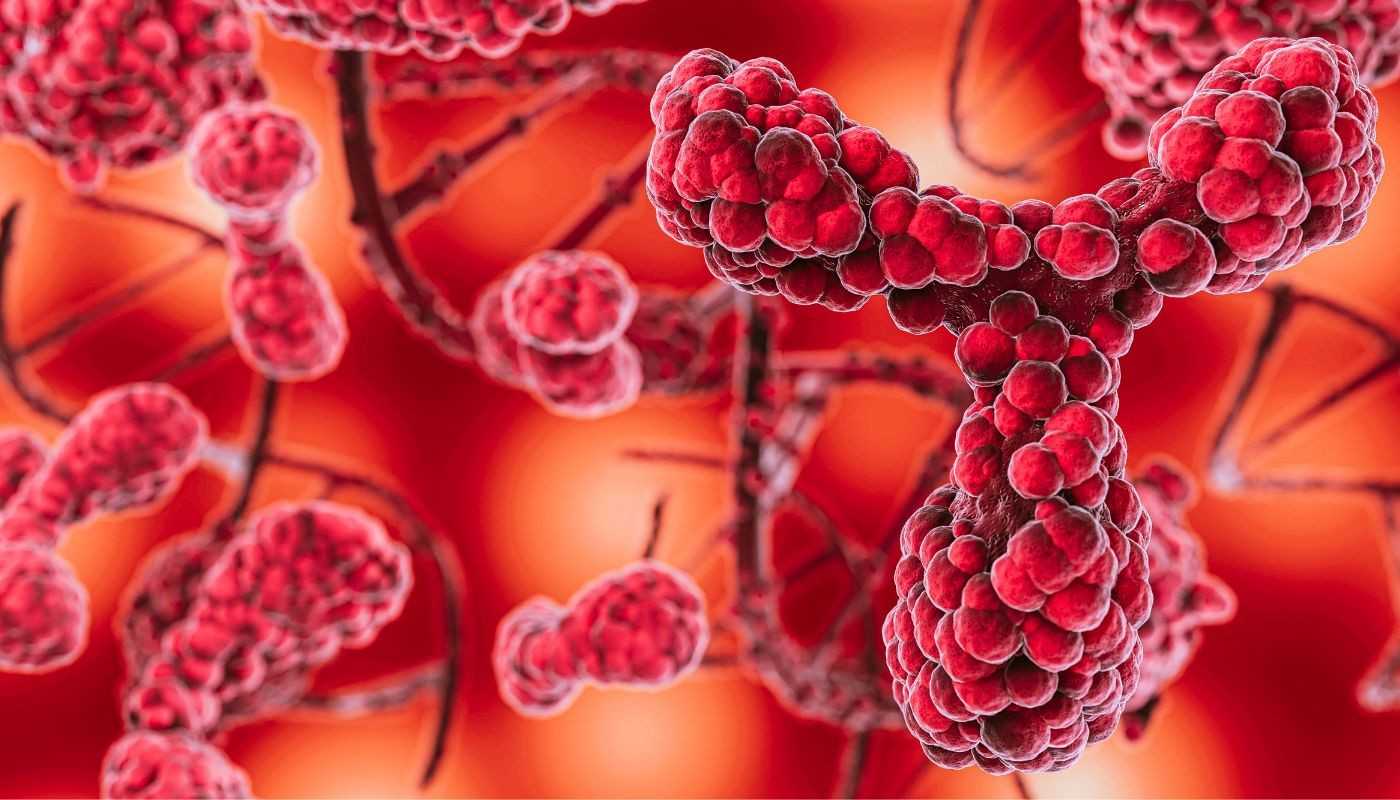
Leukemia treatment through stem cell transplantation represents one of the earliest and most successful applications of regenerative medicine, with decades of clinical evidence supporting its efficacy.
Allogeneic vs. Autologous Transplantation Approaches
Leukemia patients may receive stem cells from matched donors (allogeneic) or their own cells during remission (autologous), depending on disease type, patient age, and donor availability.
Allogeneic transplantation offers the additional benefit of graft-versus-leukemia effect, where donor immune cells help eliminate remaining cancer cells. However, this approach carries higher risks of graft-versus-host disease and requires careful donor matching.
Treatment Decision Factors:
- Disease type and genetic characteristics determining transplant approach selection
- Patient age and overall health status influencing treatment intensity options
- Donor availability and matching compatibility for allogeneic procedures
- Previous treatment responses and remission status at transplant timing
- Risk assessment balancing potential benefits against procedure-related complications
Success rates vary significantly based on leukemia type, with acute lymphoblastic leukemia in children showing cure rates exceeding 90% with appropriate stem cell intervention³.
Stem Cell Therapy Osteoarthritis and Regenerative Joint Treatment

Osteoarthritis management through stem cell therapy represents an emerging field with promising preliminary results, though treatment approaches remain largely experimental outside clinical trial settings.
Mesenchymal Stem Cell Applications
Mesenchymal stem cells derived from bone marrow, adipose tissue, or umbilical cord blood show potential for cartilage regeneration and anti-inflammatory effects in arthritic joints.
Current research focuses on intra-articular injections of processed stem cells, often combined with platelet-rich plasma or other growth factors to enhance regenerative potential. These procedures aim to slow cartilage degradation while promoting tissue repair.
Treatment Mechanisms:
- Anti-inflammatory effects reducing joint pain and swelling symptoms
- Growth factor release promoting cartilage regeneration and tissue healing
- Immunomodulatory properties helping regulate autoimmune joint destruction
- Potential for differentiation into cartilage-producing chondrocyte cells
- Paracrine signaling encouraging endogenous repair mechanisms
While early results appear promising, long-term efficacy data remains limited, and treatment protocols continue evolving through ongoing clinical research.
Stem Cell Therapy COPD and Respiratory System Regeneration

Chronic obstructive pulmonary disease treatment through stem cell therapy remains largely experimental, with clinical trials investigating various cell types and delivery methods for lung tissue regeneration.
Current Research Directions
Mesenchymal stem cells administered intravenously or through bronchoscopic delivery have shown potential for reducing inflammation and promoting lung tissue repair in COPD patients.
Early phase clinical trials suggest that stem cell treatments may improve quality of life measures and slow disease progression, though definitive efficacy evidence requires larger, longer-term studies.
The complex nature of COPD, involving both airway inflammation and structural lung damage, presents significant challenges for regenerative approaches. Success likely requires combination therapies addressing multiple disease mechanisms simultaneously.
Research indicates that stem cell treatments for COPD may improve forced expiratory volume measurements by 15-25% in select patient populations⁴, though these findings require validation through larger clinical trials.
Stem Cell Therapy for Hair and Regenerative Approaches to Hair Loss

Hair restoration through stem cell technology focuses on reactivating dormant hair follicles and promoting new follicle formation, representing a significant advancement beyond traditional hair transplant techniques.
Autologous Stem Cell Hair Restoration
Current approaches involve harvesting stem cells from the patient’s own adipose tissue or scalp, processing these cells to concentrate growth factors, then reinjecting them into areas of hair loss.
The procedure aims to stimulate existing hair follicles while potentially creating new follicular units through stem cell differentiation and growth factor signaling.
Treatment Process Components:
- Adipose tissue harvesting through minimally invasive liposuction techniques
- Stem cell isolation and concentration using specialised processing equipment
- Scalp preparation and anesthetic administration for injection procedures
- Targeted injection of processed stem cells into areas of hair thinning or loss
- Post-treatment care and monitoring for hair growth and density improvements
Clinical studies suggest that stem cell hair treatments can increase hair density by 20-40% over 6-12 months, with results varying significantly based on patient age, hair loss extent, and individual response factors.
Stem Cell Therapy Hair Loss Cost Considerations
Treatment costs vary widely based on clinic location, procedure complexity, and number of sessions required. Typical costs range from $3,000 to $10,000 per treatment cycle, with multiple sessions often recommended for optimal results.
Insurance coverage remains limited as most stem cell hair restoration procedures are considered cosmetic rather than medically necessary treatments.
Stem Cell Therapy Diabetes and Pancreatic Regeneration Research

Diabetes treatment through stem cell therapy focuses on regenerating insulin-producing beta cells within the pancreas, offering potential for reducing or eliminating insulin dependence.
Type 1 vs. Type 2 Diabetes Applications
Research approaches differ significantly between diabetes types, with Type 1 diabetes requiring immune system modulation alongside beta cell replacement, while Type 2 diabetes treatment focuses on improving existing beta cell function.
Current Research Strategies:
- Embryonic stem cell differentiation into insulin-producing beta cells
- Induced pluripotent stem cell programming for patient-specific beta cell generation
- Mesenchymal stem cell immunomodulation to prevent autoimmune beta cell destruction
- Pancreatic progenitor cell transplantation to restore endocrine pancreatic function
- Combination approaches integrating stem cells with immune tolerance induction
Clinical trials have shown promising results, with some patients achieving insulin independence for extended periods following stem cell transplantation procedures.
Stem Cell Therapy for Diabetes Success Rate Analysis
Success rates vary significantly based on diabetes type, patient characteristics, and treatment protocols. Early clinical trials for Type 1 diabetes report insulin independence rates of 40-60% at one year post-treatment⁵.
Long-term success requires addressing both beta cell replacement and immune system dysfunction, making combination therapies likely necessary for sustained clinical benefit
Stem Cell Therapy Liver Cirrhosis and Hepatic Regeneration Approaches
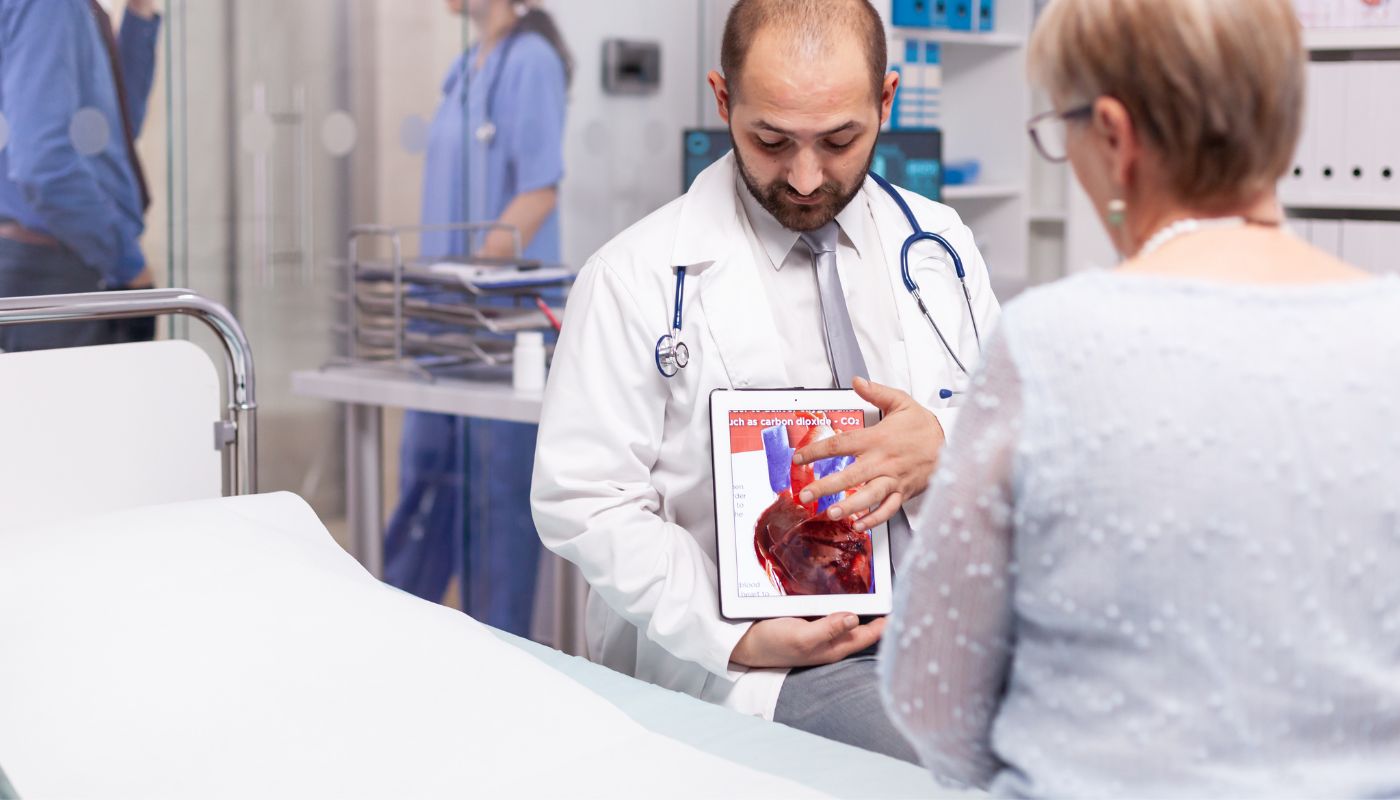
Liver cirrhosis treatment through stem cell therapy leverages the liver’s natural regenerative capacity while introducing cells capable of differentiating into hepatocytes and supporting tissue repair.
Mesenchymal Stem Cell Liver Applications
Current approaches focus on mesenchymal stem cells due to their anti-inflammatory properties, growth factor secretion, and potential for hepatocyte differentiation.
Treatment delivery methods include direct intrahepatic injection, hepatic artery infusion, and systemic intravenous administration, with each approach offering distinct advantages and limitations.
The liver’s unique regenerative capacity makes it an ideal target for stem cell therapy, with early clinical results showing improvements in liver function markers and reduced progression to end-stage liver disease.
Comprehensive Stem Cell Therapy Benefits
The therapeutic potential of stem cell treatments extends across multiple body systems, offering benefits that traditional medications and surgical interventions cannot provide.
Regenerative and Healing Mechanisms
Stem cells provide therapeutic benefits through multiple mechanisms including direct tissue replacement, growth factor secretion, anti-inflammatory effects, and stimulation of endogenous repair processes.
Primary Therapeutic Mechanisms:
- Direct differentiation into specialised cell types replacing damaged or lost tissue
- Paracrine signaling through growth factor and cytokine release promoting healing
- Anti-inflammatory effects reducing tissue damage and chronic disease progression
- Immunomodulatory properties helping regulate autoimmune and inflammatory responses
- Angiogenesis promotion improving blood supply to damaged tissues and organs
These mechanisms work synergistically to create therapeutic effects often superior to single-target traditional treatments, explaining the broad applicability of stem cell approaches across diverse medical conditions.
Stem Cell Therapy Success Rate

Treatment success rates vary significantly based on condition treated, cell type used, delivery method, and patient characteristics, making generalised success statistics misleading without specific context.
Condition-Specific Success Metrics
Established applications like hematopoietic stem cell transplantation for blood cancers show cure rates exceeding 80% in appropriate candidates, while emerging applications report more modest but promising preliminary results.
Measuring success requires considering multiple factors including symptom improvement, disease progression slowing, quality of life enhancement, and long-term safety profiles.
Stem Cell Therapy Pros and Cons

Understanding both benefits and limitations helps patients make informed decisions about stem cell treatment options while avoiding unrealistic expectations.
Treatment Advantages and Benefits
Stem cell therapies offer unique advantages including regenerative potential, reduced immunological rejection risk with autologous treatments, and applicability to conditions lacking effective conventional treatments.
Limitations and Risk Considerations
Current limitations include high costs, limited insurance coverage, variable treatment protocols, and ongoing questions about long-term safety and efficacy for many applications.
Key Limitations:
- High treatment costs often not covered by insurance plans
- Limited long-term safety data for many newer applications and protocols
- Variable treatment outcomes based on individual patient factors and response
- Regulatory uncertainty surrounding many emerging stem cell therapy approaches
- Potential for unscrupulous providers offering unproven treatments with exaggerated claims
Understanding Topical Products vs. Medical Stem Cell Therapya

The distinction between legitimate medical stem cell therapy and topical products marketed with stem cell claims requires careful consideration to avoid confusion and unrealistic expectations.
Cosmetic “Stem Cell” Products Reality
Topical products cannot contain living human stem cells due to stability and penetration limitations. These products typically contain plant stem cell extracts, growth factors, or peptides marketed with stem cell terminology.
While some topical products may provide beneficial skincare effects, they cannot deliver the regenerative benefits associated with legitimate stem cell medical treatments.
Consumer awareness remains crucial for distinguishing between evidence-based medical treatments and cosmetic products using stem cell marketing terminology.
Future Directions and Research Developments

Stem cell therapy continues evolving rapidly through ongoing research, improved cell processing techniques, and enhanced delivery methods that may expand treatment applications and improve success rates.
Emerging Technologies and Approaches
Advances in cell programming, tissue engineering, and combination therapies promise to enhance stem cell treatment efficacy while reducing costs and improving accessibility.
Gene editing technologies like CRISPR may enable correction of genetic defects in patient stem cells before reintroduction, potentially expanding treatment applications to genetic disorders.
The integration of artificial intelligence and personalised medicine approaches may optimise treatment protocols based on individual patient characteristics, improving success rates while minimising adverse effects.
The field continues advancing toward more targeted, effective, and accessible stem cell treatments that may revolutionise medicine across numerous specialties and conditions.
References:
- Trounson, A., et al. (2011). “Clinical trials for stem cell therapies.” BMC Medicine, 9, 52-61.
- Kumar, S.K., et al. (2017). “Multiple myeloma and stem cell transplantation.” New England Journal of Medicine, 376(9), 858-867.
- Copelan, E.A., et al. (2019). “Hematopoietic stem-cell transplantation.” New England Journal of Medicine, 381(17), 1728-1738.
- Weiss, D.J., et al. (2018). “Stem cells and cell therapies for COPD: Current status and future prospects.” European Respiratory Journal, 51(4), 1702019.
- Voltarelli, J.C., et al. (2007). “Autologous nonmyeloablative hematopoietic stem cell transplantation in newly diagnosed type 1 diabetes mellitus.” JAMA, 297(14), 1568-1576.