

The landscape of diabetes management has been revolutionised by wearable glucose monitoring technology, transforming how millions of people track their blood sugar levels and manage their health. Modern glucose monitoring devices have evolved from painful finger pricks to sophisticated wearable sensors that provide continuous, real-time data about blood glucose fluctuations throughout the day.
With over 422 million people worldwide living with diabetes¹, the demand for convenient, accurate, and user-friendly glucose monitoring solutions has never been greater. The global continuous glucose monitoring market is expected to reach $15.1 billion by 2028, reflecting the growing adoption of these life-changing technologies.
The diabetes prevention programme initiatives worldwide, including those supported by diabetes nhs guidelines, increasingly emphasise the importance of continuous monitoring for both preventing diabetes complications and managing existing conditions. This comprehensive guide explores the cutting-edge world of wearable glucose monitoring technology and how it’s empowering individuals to take control of their metabolic health.
Glucose Monitor Sensors: How Do They Work?
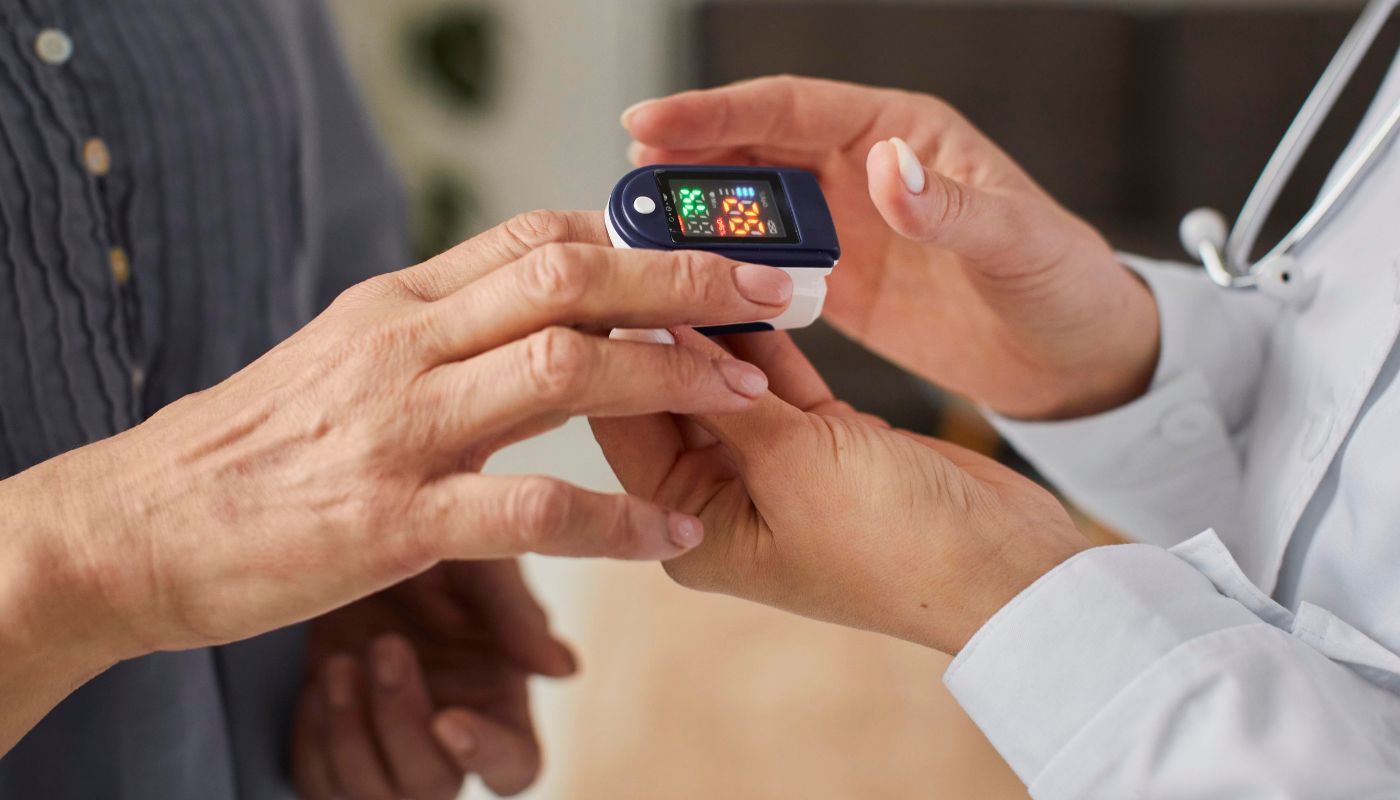
Modern glucose monitor sensors represent a quantum leap from traditional blood glucose testing methods, utilising advanced biosensor technology to measure glucose levels continuously through interstitial fluid. These tiny, sophisticated devices can track glucose patterns 24/7, providing insights that were impossible to achieve with sporadic finger-stick testing.
The technology behind these sensors involves electrochemical detection, where glucose oxidase enzymes react with glucose in the interstitial fluid to generate electrical signals proportional to glucose concentration. This process happens automatically every few minutes, creating a comprehensive picture of glucose trends and patterns.
Accuracy has improved dramatically in recent generations, with modern sensors showing strong correlation with traditional blood glucose meters. However, users should understand that interstitial fluid glucose levels may lag behind blood glucose by 10-15 minutes, particularly during periods of rapid change.
The convenience factor cannot be overstated, these sensors eliminate the need for multiple daily finger pricks while providing far more detailed information about glucose patterns, including overnight levels and post-meal responses that traditional testing often misses.
Key Features of Modern Glucose Sensors:
- Continuous monitoring: Real-time glucose readings every 1-5 minutes throughout the day and night
- Trend arrows: Indicators showing whether glucose is rising, falling, or remaining stable
- Historical data: Comprehensive logs of glucose patterns over weeks and months
- Customisable alerts: Warnings for high and low glucose levels to prevent dangerous episodes
- Waterproof design: Most sensors can withstand swimming and showering without issues
The integration with smartphone technology has made these sensors more accessible and user-friendly, with dedicated apps providing intuitive interfaces for viewing data, setting alerts, and sharing information with healthcare providers and family members.
Calibration requirements vary by manufacturer, with some sensors requiring periodic fingerstick confirmations while newer models operate factory-calibrated without additional testing, further reducing the burden on users.
Glucose Monitoring Non-Invasive Technology: The Holy Grail of Diabetes Technology
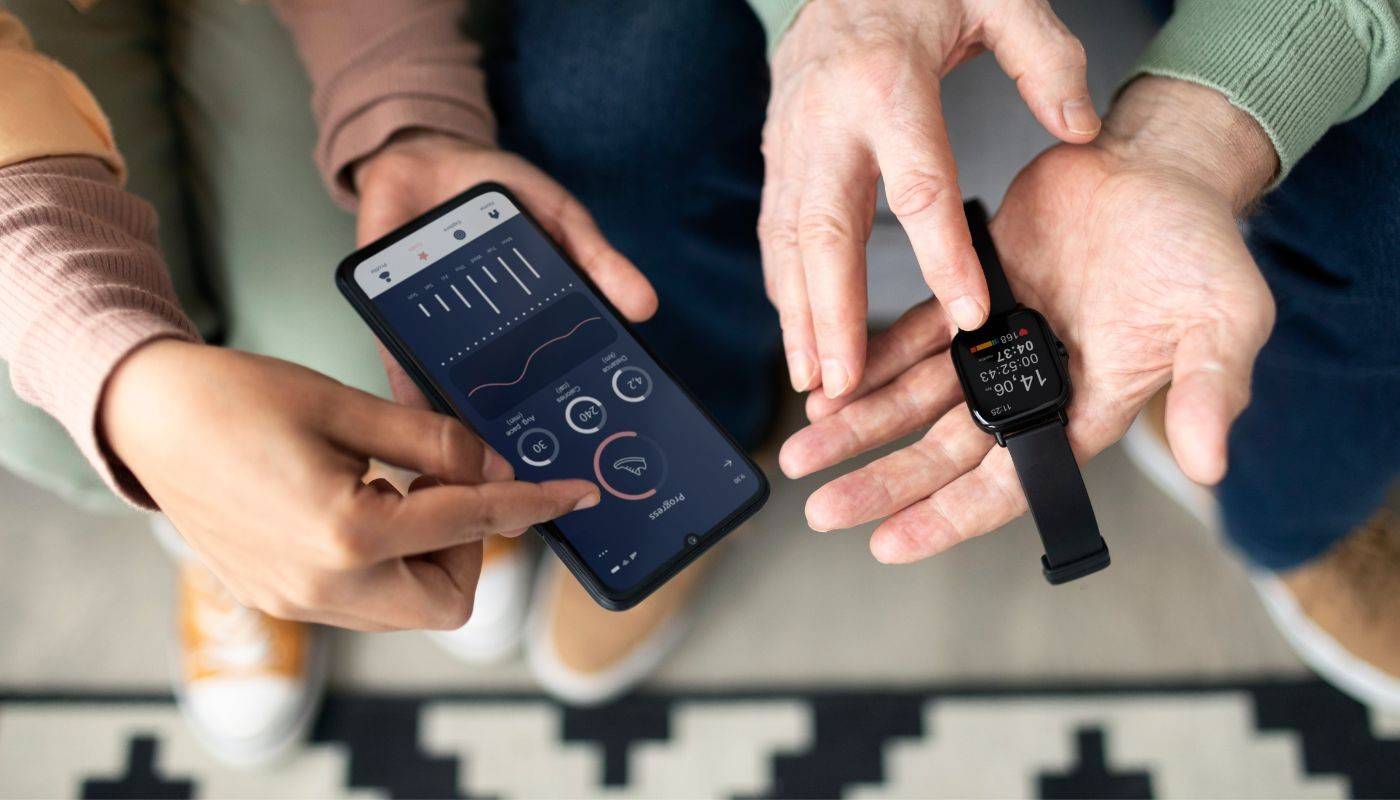
The pursuit of glucose monitor, non-invasive technology, represents one of the most ambitious goals in diabetes care, with researchers and companies worldwide working to develop methods that can measure blood glucose without any skin penetration or sensor insertion.
Current non-invasive approaches under development include optical sensing through infrared spectroscopy, radiofrequency sensing, and bioimpedance measurements. While none have yet achieved the accuracy and reliability needed for clinical use, significant progress continues in this field.
Apple has been rumored to be developing non-invasive glucose monitoring for future Apple Watch models, though technical challenges remain substantial. The complexity of accurately measuring glucose through skin barriers while accounting for individual variations in skin thickness, hydration, and other factors presents ongoing engineering challenges.
The potential impact of successful non-invasive glucose monitoring cannot be overstated. It would eliminate barriers to adoption and make continuous glucose monitoring accessible to virtually everyone with diabetes, potentially transforming global diabetes care.
Research continues with promising developments in sensor miniaturisation and signal processing that may eventually overcome current technical limitations, though timeline estimates for commercially viable products remain uncertain.
Wearing a Glucose Monitor Smart Watch

Glucose monitor watches represent the convergence of traditional timekeeping, fitness tracking, and medical monitoring technology, creating comprehensive health management platforms on your wrist. While current smartwatches don’t include built-in glucose sensors, integration with external glucose monitors creates powerful monitoring ecosystems.
The glucose monitor watch UK market shows particular interest in devices that can display glucose data from connected sensors, provide alerts and notifications, and track correlations between physical activity, stress levels, and blood glucose patterns throughout the day.
Current smartwatch integration with glucose monitoring typically involves companion apps that receive data from separate glucose sensors, displaying readings, trends, and alerts directly on the watch face for convenient monitoring without needing to check smartphones.
Future developments promise true integration, with companies working to incorporate glucose sensing directly into smartwatch hardware. This would create the ultimate diabetes management device, combining continuous glucose monitoring with activity tracking, heart rate monitoring, and other health metrics.
The Apple Watch has become particularly popular among diabetics for its integration capabilities with continuous glucose monitors, offering customisable complications that display current glucose readings and trends directly on watch faces.
Samsung Galaxy Watch and other Android-compatible devices offer glucose monitoring through partnerships with continuous glucose monitor manufacturers, providing alternatives to Apple’s ecosystem while maintaining sophisticated health tracking capabilities.
The integration of glucose data with other smartwatch sensors creates opportunities for understanding correlations between stress levels, sleep quality, physical activity, and blood glucose patterns, enabling more informed diabetes management decisions.
Advanced analytics within smartwatch platforms can identify patterns and provide personalised recommendations for meal timing, exercise, and medication schedules based on individual glucose response patterns and lifestyle factors.
The gamification elements built into many smartwatch platforms encourage consistent monitoring and healthy behaviors through challenges, achievements, and progress tracking that can improve long-term diabetes management outcomes.
Cross-platform compatibility ensures that users can switch between different glucose monitor brands while maintaining their preferred smartwatch ecosystem, providing flexibility and preventing vendor lock-in situations.
The Continuous Glucose Monitor Patch
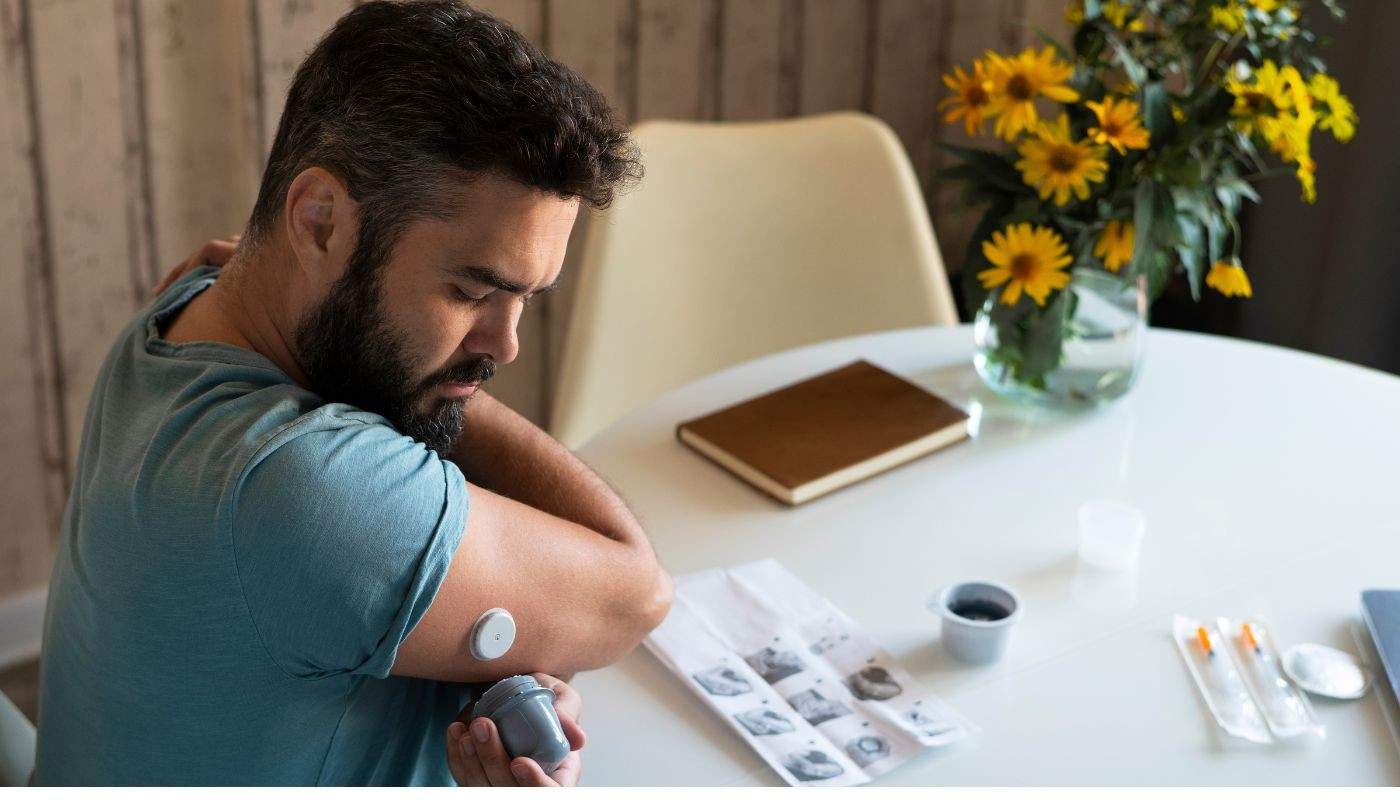
Glucose monitor patches have revolutionised diabetes care by providing continuous monitoring in a discrete, comfortable format that can be worn for 10-14 days. These advanced medical devices attach to the upper arm or abdomen, automatically tracking glucose levels and transmitting data to smartphones or dedicated receivers.
The patch design eliminates the bulk and complexity of traditional glucose meters while providing far more comprehensive data. Most patches are roughly the size of a large coin and designed to stay secure during normal activities including exercise, swimming, and sleeping.
Modern patches include sophisticated adhesive systems that maintain secure attachment while remaining comfortable for extended wear. The sensors are typically inserted just beneath the skin surface using painless applicator systems that make sensor changes simple and quick.
Data storage capabilities allow patches to maintain glucose readings even when temporarily disconnected from smartphones, automatically syncing information when connection is restored, ensuring no data loss during daily activities.
The cost-effectiveness of patch systems compared to traditional glucose testing supplies makes them attractive for long-term diabetes management, particularly when considering the comprehensive data they provide compared to sporadic fingerstick testing.
Insurance coverage for glucose monitor patches has expanded significantly, with many plans now covering these devices for insulin-dependent diabetes patients, making this advanced technology accessible to broader populations.
Glucose Monitor on the Arm is in Vogue

The glucose monitor on arm placement has become the gold standard for continuous glucose monitoring, offering optimal accuracy, comfort, and discretion for long-term wear. The upper arm provides ideal conditions for sensor function while remaining comfortable during daily activities.
The interstitial fluid composition in the arm correlates well with blood glucose levels, providing reliable readings that healthcare providers can trust for diabetes management decisions. The relatively stable environment of the upper arm also reduces interference from external factors.
Proper placement techniques ensure optimal sensor function and extended wear time. Most manufacturers provide detailed instructions and placement guides to help users achieve the best possible sensor performance and comfort during the wear period.
Rotation between arms helps prevent skin irritation and allows continuous monitoring without interruption. Many users develop systematic rotation schedules that maintain skin health while ensuring consistent glucose monitoring coverage.
The discrete nature of arm placement makes glucose monitoring less visible in professional and social settings, reducing self-consciousness and encouraging consistent sensor use for optimal diabetes management.
Advanced adhesive systems and sensor designs continue improving comfort and security, with some users reporting they forget they’re wearing sensors due to the comfortable, low-profile design of modern systems.
Monitoring Glucose With an Apple Watch
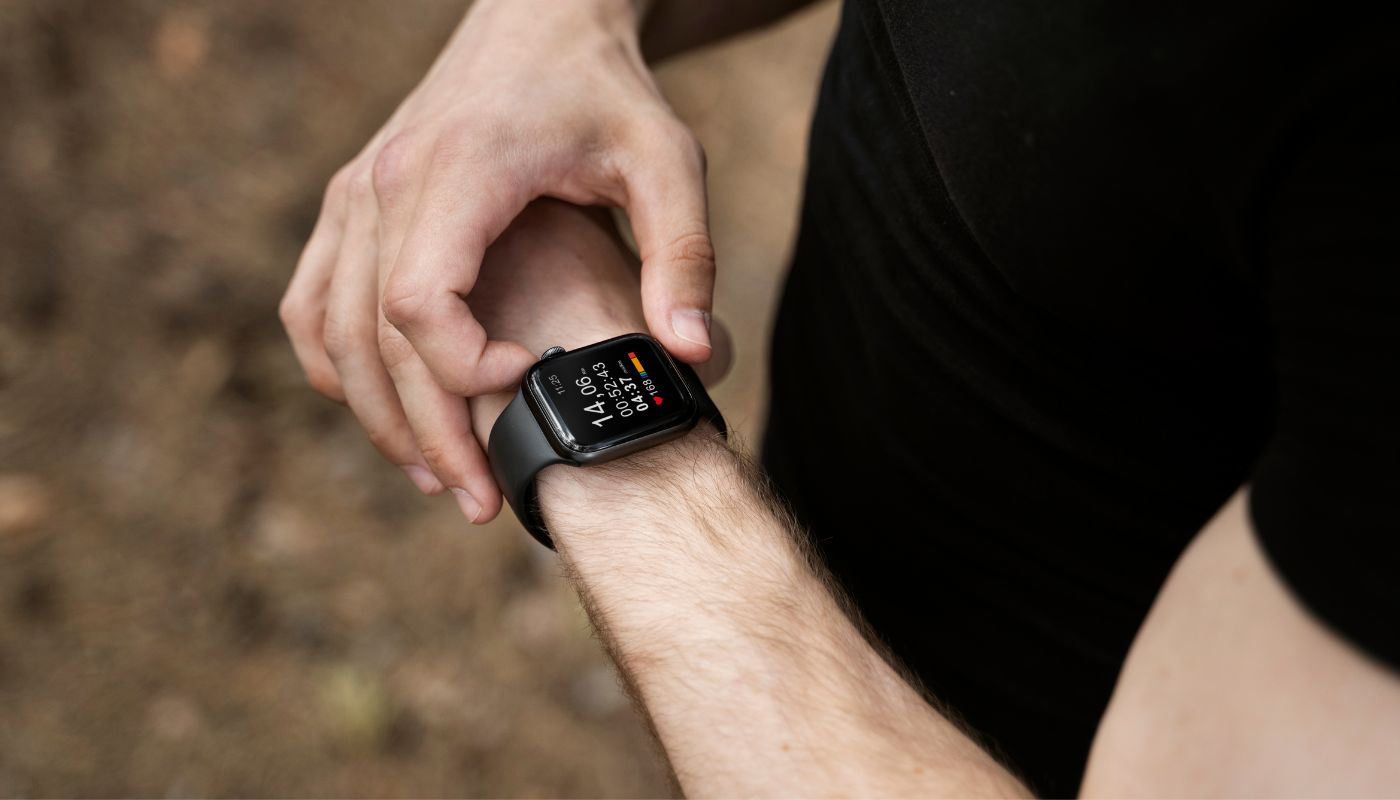
The glucose monitor for apple watch ecosystem represents one of the most sophisticated integration platforms available, combining Apple’s health infrastructure with leading continuous glucose monitor manufacturers to create seamless diabetes management experiences.
Apple Health serves as the central hub for glucose data from compatible monitors, automatically organising readings, trends, and patterns alongside other health metrics like heart rate, activity levels, and sleep data to provide comprehensive wellness insights.
The Apple Watch displays glucose information through customisable complications and dedicated apps, allowing users to check current readings, view trend arrows, and receive alerts without accessing their iPhone, providing crucial convenience during daily activities.
Third-party developers have created sophisticated glucose monitoring apps specifically for Apple Watch, offering features like detailed trend analysis, meal logging, medication reminders, and data sharing with healthcare providers and family members.
Apple Watch Glucose Monitoring Advantages:
- Health app integration: Centralised health data management across all Apple devices
- Customisable complications: Glucose readings displayed directly on watch faces
- Siri integration: Voice commands for logging meals, medications, and glucose readings
- Family sharing: Allows caregivers to monitor glucose levels remotely
- Emergency contacts: Automatic alerts to designated contacts during glucose emergencies
The privacy and security features built into Apple’s ecosystem provide confidence for users sharing sensitive health data, with encryption and user control over data sharing ensuring personal health information remains protected.
Future Apple Watch models may include built-in glucose sensing capabilities, though current integration with external sensors already provides comprehensive monitoring functionality that satisfies most diabetes management needs.
Discover the Glucose-monitoring iPhone Ecosystem
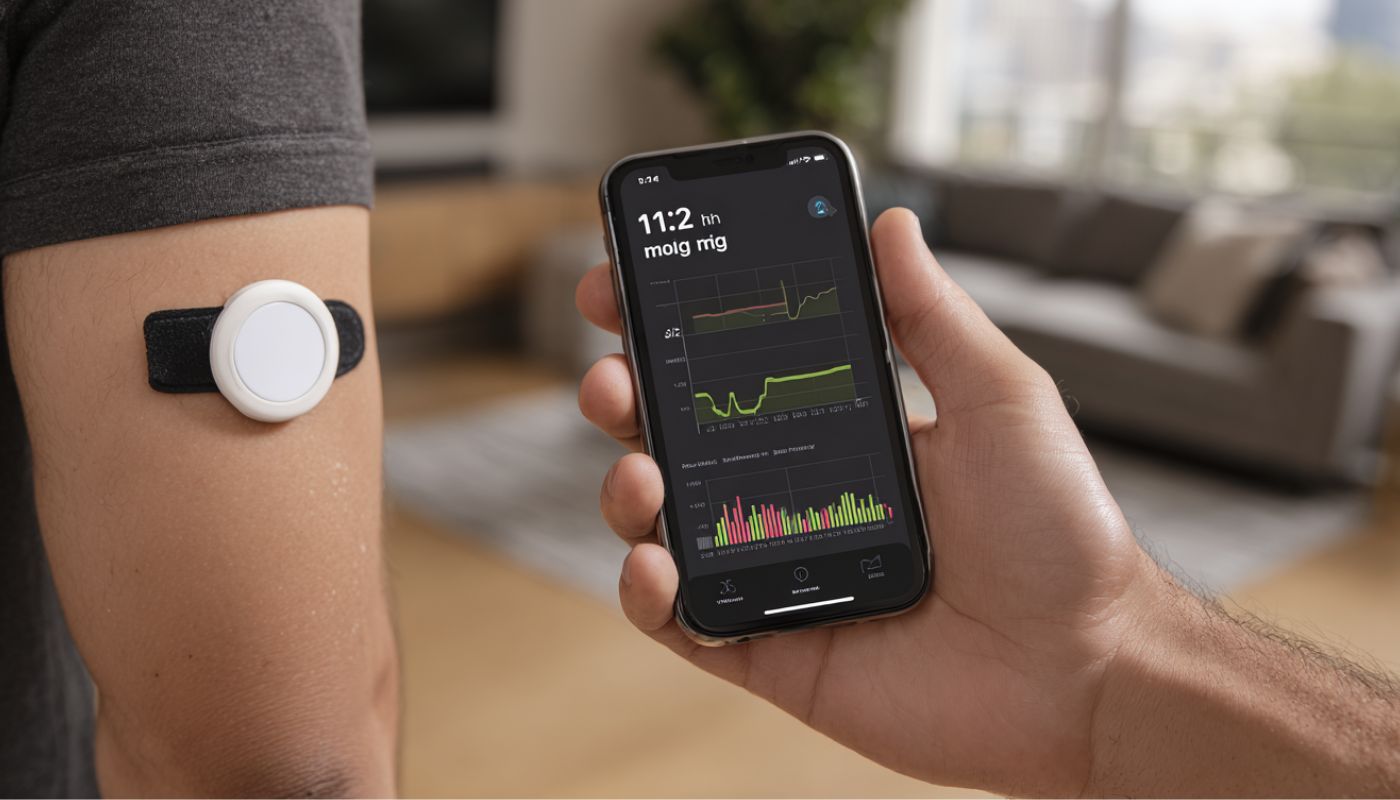
The glucose monitor iPhone ecosystem has become central to modern diabetes management, with dedicated apps from monitor manufacturers providing comprehensive platforms for data analysis, trend tracking, and sharing capabilities with healthcare providers and family members.
iPhone’s health app serves as a unified repository for glucose data from multiple sources, creating comprehensive health profiles that combine glucose readings with activity, nutrition, and medication information for holistic diabetes management.
The large screen and intuitive interface of modern iPhones make detailed glucose trend analysis accessible and easy to understand, with features like detailed graphs, pattern recognition, and predictive analytics helping users optimise their diabetes management strategies.
Sharing capabilities allow users to generate comprehensive reports for healthcare appointments, export data for research participation, or provide access to family members and caregivers for remote monitoring and support.
The accessibility features built into iOS make glucose monitoring apps usable for individuals with visual impairments or other disabilities, ensuring that advanced diabetes technology remains inclusive and accessible to all users.
Regular app updates from glucose monitor manufacturers continue expanding functionality and improving user experience, with new features regularly added based on user feedback and technological advances.
Glucose Monitor App: Benefits
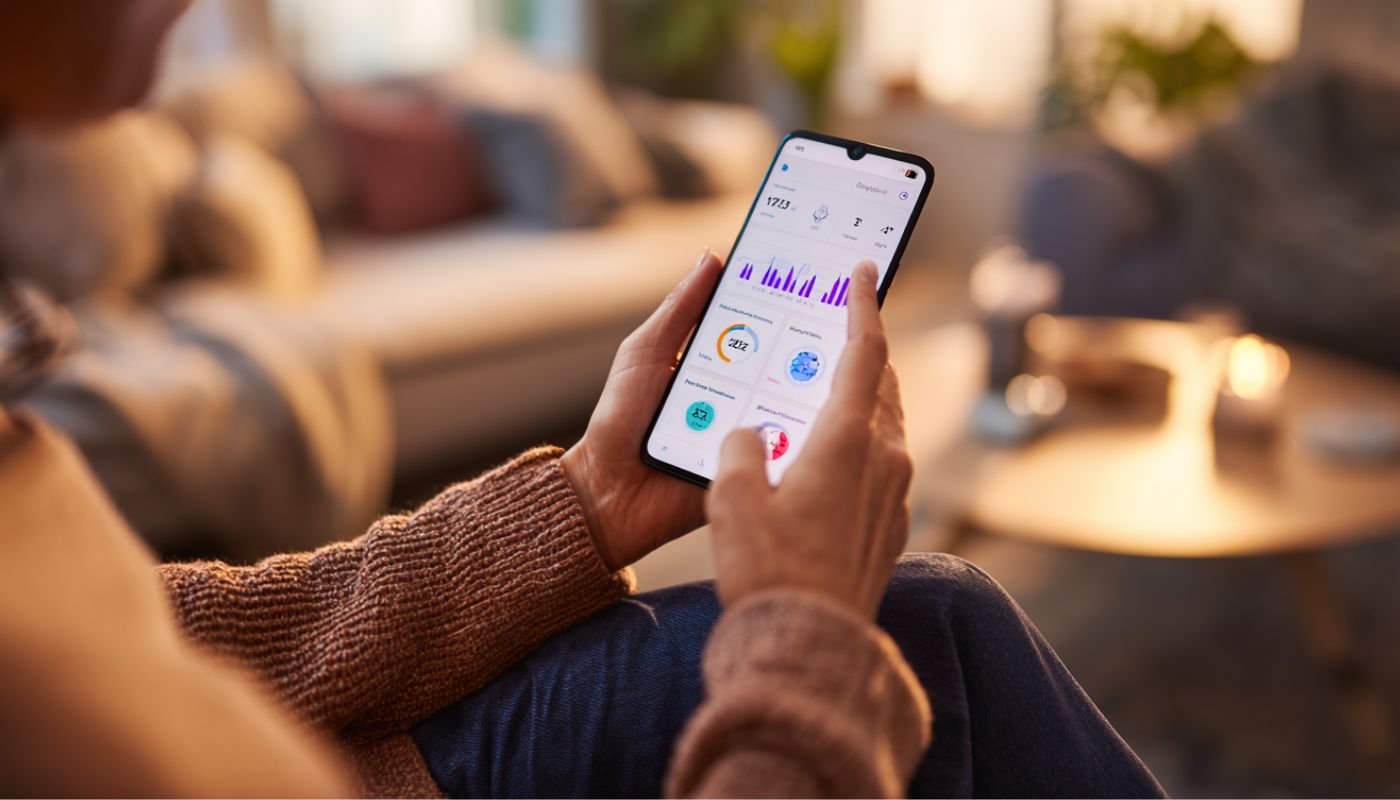
Glucose monitor apps have evolved into sophisticated diabetes management platforms that extend far beyond simple data display, incorporating artificial intelligence, predictive analytics, and comprehensive lifestyle tracking to support optimal diabetes management.
These applications serve as command centers for diabetes care, integrating glucose data with meal logging, medication tracking, exercise monitoring, and mood assessment to provide holistic views of factors affecting blood glucose control.
The analytics capabilities within modern glucose monitoring apps can identify patterns that might not be obvious to users, such as delayed glucose responses to specific foods, the impact of stress on glucose control, or optimal timing for physical activity.
Educational resources built into many apps provide ongoing diabetes education, helping users understand their condition better and make more informed management decisions based on current diabetes management guidelines and research.
The integration capabilities of modern apps extend to fitness trackers, smart scales, blood pressure monitors, and other health devices, creating comprehensive wellness ecosystems centered around glucose management.
Regular updates and feature additions ensure that glucose monitoring apps continue evolving with user needs and technological advances, providing ongoing value and improved functionality over time.
References:
- World Health Organization. Diabetes: Key Facts. WHO Global Health Observatory, 2023.
- American Diabetes Association. Continuous Glucose Monitoring: A Consensus Report. Diabetes Care, 2023; 46(7): 1304-1313.
- Danne, T., et al. International Consensus on Use of Continuous Glucose Monitoring. Diabetes Care, 2017; 40(12): 1631-1640.
- Beck, R.W., et al. Effect of continuous glucose monitoring on glycemic control in adults with type 1 diabetes. JAMA, 2017; 317(4): 371-378.
- Martens, T., et al. Effect of continuous glucose monitoring on glycemic control in patients with type 2 diabetes treated with basal insulin. JAMA, 2021; 325(22): 2262-2272.