

The evolution of wearable heart rate monitoring has transformed how we understand and optimise our cardiovascular health, making it easier than ever to track, analyze, and improve our heart’s performance throughout daily activities and exercise routines. Modern heart rate monitoring technology provides real-time insights that were once only available in clinical settings.
With cardiovascular disease remaining the leading cause of death globally, affecting over 17.9 million people annually¹, the importance of continuous heart rate monitoring cannot be overstated. Wearable heart rate monitors have become essential tools for both fitness enthusiasts and individuals managing cardiovascular health conditions.
The global heart rate monitoring devices market is projected to reach $15.6 billion by 2027, reflecting the growing recognition of these devices as crucial wellness tools. From basic fitness trackers to sophisticated medical-grade monitors, today’s wearable technology offers solutions for every cardiovascular monitoring need and lifestyle preference.
Heart Rate Monitor Watch: Wrist-Based Cardiovascular Tracking

Heart rate monitor watches have revolutionised personal cardiovascular tracking by combining the convenience of traditional timepieces with sophisticated optical heart rate sensing technology. These devices use photoplethysmography (PPG) to detect blood volume changes in the wrist, providing continuous heart rate data without the need for chest straps or external sensors.
The heart rate monitor and watch combination offers 24/7 monitoring that captures resting heart rate, exercise heart rate zones, and recovery patterns that provide valuable insights into overall cardiovascular fitness.
The accuracy of wrist-based heart rate monitoring has improved dramatically with advanced sensor technology and machine learning algorithms that can compensate for motion artifacts and individual physiological variations. While not quite matching the precision of chest strap monitors, modern watches provide clinically relevant data for most users.
The convenience factor cannot be overstated—having continuous heart rate monitoring available without any conscious effort makes it easier to maintain awareness of cardiovascular health throughout daily activities, from morning walks to high-intensity workouts.
Key Features of Heart Rate Monitor Watches:
- 24/7 monitoring: Continuous tracking of resting heart rate, activity zones, and recovery periods
- Exercise detection: Automatic recognition of workout activities and appropriate heart rate zone guidance
- Sleep heart rate tracking: Overnight monitoring to assess cardiovascular recovery and sleep quality
- Heart rate zones: Personalized training zones based on age and fitness level for optimal exercise intensity
- Trend analysis: Long-term cardiovascular health insights through pattern recognition and data analysis
The integration with smartphone apps creates comprehensive wellness ecosystems where heart rate data combines with sleep patterns, stress levels, and activity metrics to provide holistic health insights that support informed lifestyle decisions.
Battery life has improved significantly in modern heart rate monitor watches, with many devices offering multiple days of use even with continuous heart rate monitoring enabled, making them practical for extended wear and comprehensive health tracking.
With all the advantages listed, make sure to get your heart rate monitor wearable home soon and enjoy its heart-keeping benefits!
Other Heart Rate Monitor Wearables: Expanding Beyond Traditional Watch Boundaries

The category of heart rate monitor wearable devices has expanded beyond traditional watches to include fitness bands, smart clothing, patches, and even earbuds with integrated heart rate sensors. This diversity ensures that there’s a monitoring solution for every lifestyle preference and activity type.
Fitness Bands and Rings
Fitness bands and rings focus primarily on heart rate tracking and activity monitoring, offering extended battery life and water resistance while maintaining accuracy comparable to more expensive smartwatches. These devices excel for users who prioritize simplicity and dedicated fitness tracking functionality.
Smart Clothing:
Smart clothing with embedded heart rate sensors represents the cutting edge of wearable technology, with shirts, sports bras, and compression garments incorporating textile-based sensors that provide comfortable, accurate monitoring during intense physical activity.
The miniaturization of heart rate sensing technology has enabled integration into unexpected form factors, including earbuds that monitor heart rate through the ear canal, rings that detect pulse through finger blood flow, and patches that adhere to the chest for clinical-grade monitoring.
The interoperability between different wearable heart rate monitors allows users to combine devices for comprehensive monitoring, such as using chest straps during intense workouts while relying on wrist-based monitors for daily activity tracking.
Heart Rate Monitor Chest Strap: The Gold Standard for Exercise Accuracy

Heart rate monitor chest straps remain the gold standard for exercise heart rate monitoring, providing the most accurate real-time heart rate data available to consumers. The heart rate monitor and chest strap combination uses electrical activity (ECG) sensing to detect heartbeats directly, offering precision that rivals medical-grade equipment.
The positioning of chest strap sensors near the heart provides optimal signal quality, making these devices particularly valuable for serious athletes and fitness enthusiasts who require precise heart rate data for training optimization. The direct electrical contact eliminates motion artifacts that can affect wrist-based monitors during high-intensity activities.
The integration capabilities of modern chest strap monitors extend beyond simple heart rate display, with advanced models providing heart rate variability data, training load analysis, and recovery metrics that support sophisticated training optimization.
The comfort of modern chest straps has improved dramatically through ergonomic design and moisture-wicking materials that remain comfortable during extended wear, even during intense exercise sessions or long endurance activities
Top 4 Heart Rate Monitors in 2025: Professional-Grade Wearable Technology
The landscape of professional-grade heart rate monitoring has been dominated by several key manufacturers who consistently deliver accurate, reliable, and feature-rich devices that meet the demanding needs of serious athletes and health-conscious consumers.
These leading heart rate monitors combine cutting-edge sensor technology with sophisticated data analysis capabilities, creating comprehensive cardiovascular monitoring platforms that serve both fitness optimization and health management purposes.
The selection of top monitors reflects a balance between accuracy, comfort, battery life, and integration capabilities that make them suitable for both casual fitness enthusiasts and professional athletes requiring precise performance data.
Each manufacturer brings unique strengths to the market, from superior optical sensors and comfortable designs to advanced analytics and extensive third-party compatibility that extends functionality beyond basic heart rate monitoring.
1. Heart Rate Monitor of Garmin Devices: Precision for Serious Athletes
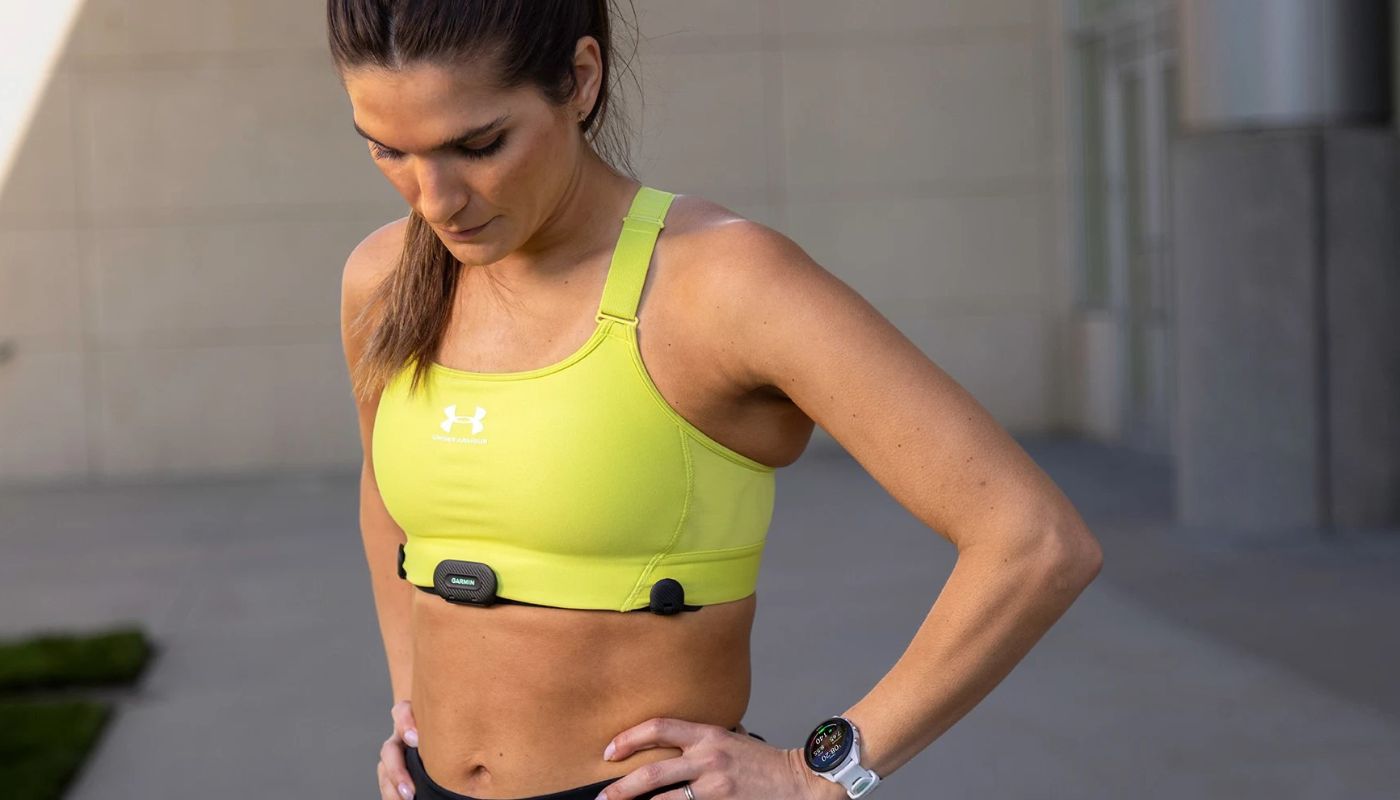
The glucose monitor on arm placement has become the gold standard for continuous glucose monitoring, offering optimal accuracy, comfort, and discretion for long-term wear. The upper arm provides ideal conditions for sensor function while remaining comfortable during daily activities.
The interstitial fluid composition in the arm correlates well with blood glucose levels, providing reliable readings that healthcare providers can trust for diabetes management decisions. The relatively stable environment of the upper arm also reduces interference from external factors.
Proper placement techniques ensure optimal sensor function and extended wear time. Most manufacturers provide detailed instructions and placement guides to help users achieve the best possible sensor performance and comfort during the wear period.
Rotation between arms helps prevent skin irritation and allows continuous monitoring without interruption. Many users develop systematic rotation schedules that maintain skin health while ensuring consistent glucose monitoring coverage.
The discrete nature of arm placement makes glucose monitoring less visible in professional and social settings, reducing self-consciousness and encouraging consistent sensor use for optimal diabetes management.
Advanced adhesive systems and sensor designs continue improving comfort and security, with some users reporting they forget they’re wearing sensors due to the comfortable, low-profile design of modern systems.
2. Heart Rate Monitor Polar: Innovation in Wearable Cardiovascular Technology

Heart Rate Monitors of Polar devices have established themselves as leaders in heart rate monitoring innovation, consistently introducing breakthrough technologies that advance the field of wearable cardiovascular health monitoring.
Polar’s optical heart rate technology rivals chest strap accuracy in many situations while providing the comfort and convenience of wrist-based monitoring. Their proprietary algorithms excel at filtering motion artifacts during high-intensity activities.
The Polar ecosystem includes comprehensive training platforms with personalized coaching, recovery guidance, and performance prediction that help users optimise their fitness development while maintaining appropriate training loads.
Advanced features like Polar’s FitSpark training recommendations use heart rate data, training history, and recovery status to suggest optimal daily workouts that support long-term fitness development without overtraining risks.
Polar Heart Rate Monitor Innovations:
- Optical sensor excellence: Wrist-based monitoring approaching chest strap accuracy
- Personalized training: AI-powered workout recommendations based on individual response patterns
- Recovery optimization: Detailed analysis of training stress and recovery needs
- Scientific backing: Research-based algorithms developed through sports science partnerships
- Comprehensive ecosystem: Integration of hardware, software, and coaching for complete training support
3. Heart Rate Monitor Strap Wahoo: Professional Performance Monitoring
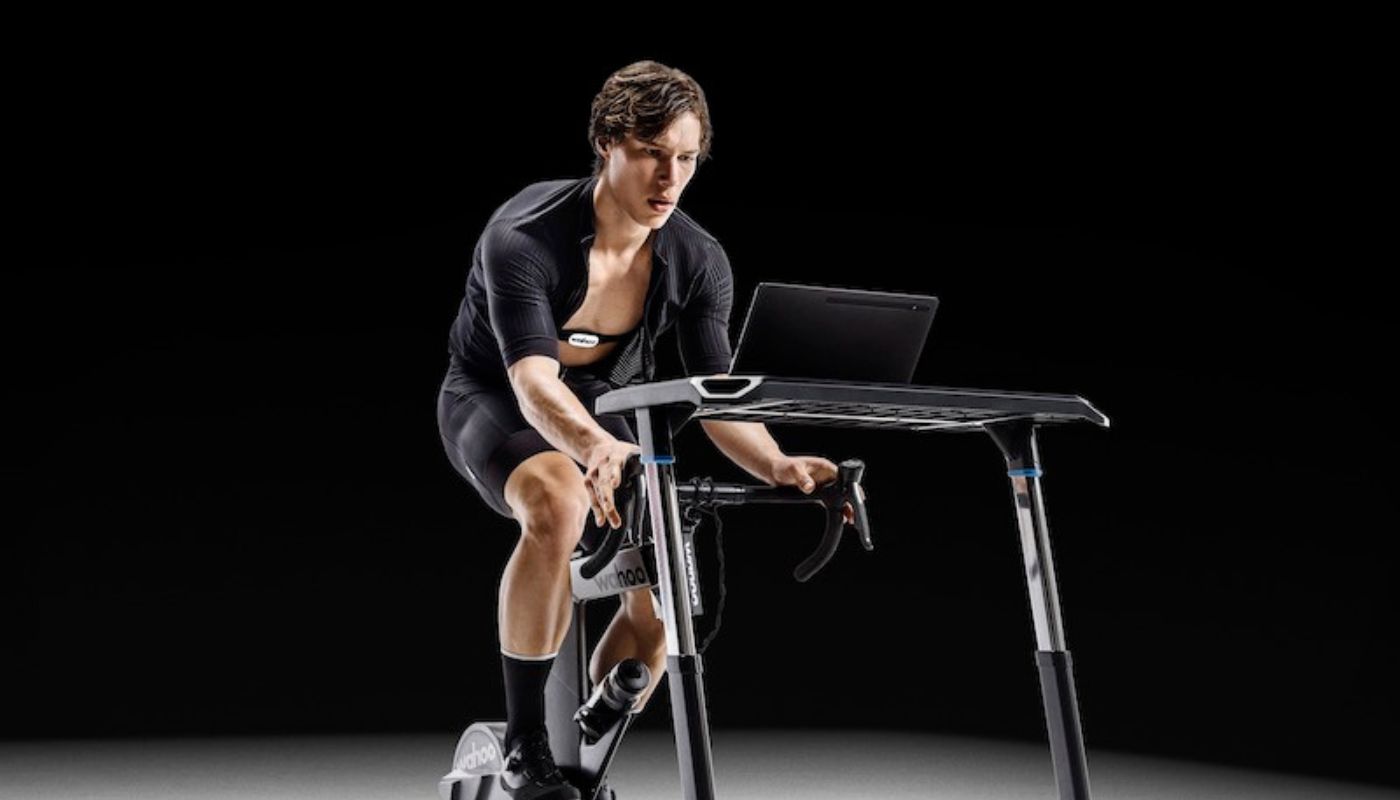
Heart rate monitor strap from Wahoo focus on delivering professional-grade accuracy and reliability for serious athletes and fitness enthusiasts who demand precise heart rate data for training optimization and performance analysis.
Wahoo’s chest strap monitors provide dual-band connectivity (ANT+ and Bluetooth) ensuring compatibility with virtually all fitness devices, apps, and equipment, making them versatile choices for users with diverse technology ecosystems.
The design emphasis on comfort and security ensures that Wahoo straps remain properly positioned during intense activities, providing consistent signal quality even during high-impact sports and vigorous training sessions.
Battery life exceeds industry standards, with many Wahoo monitors providing over 500 hours of operation on a single battery, reducing maintenance requirements and ensuring reliable performance during critical training periods.
Wahoo Heart Rate Monitor Benefits:
- Universal compatibility: Dual connectivity works with all major fitness platforms and devices
- Professional accuracy: Chest-based ECG sensing provides medical-grade precision
- Comfort design: Ergonomic construction maintains position during intense activities
- Extended battery life: Hundreds of hours of operation reduce maintenance requirements
- Reliability focus: Consistent performance in all weather and activity conditions
4. Heart Rate Monitor Running Watch Categories: Specialised Athletic Performance Tools

The heart rate monitor running watch category represents specialized devices designed specifically for runners who need accurate heart rate data combined with GPS tracking, pace analysis, and running-specific performance metrics.
These devices go beyond basic heart rate monitoring to provide comprehensive running analytics including cadence, ground contact time, vertical oscillation, and running efficiency metrics that help optimise form and prevent injuries.
Advanced models incorporate features like race prediction, training status analysis, and recovery recommendations specifically tailored for running training cycles and competition preparation.
The integration of heart rate data with GPS and motion sensors creates detailed performance profiles that track improvement over time and identify areas for technique optimization and training focus.
Running Watch Heart Rate Features:
- Running-specific metrics: Cadence, ground contact time, and efficiency measurements
- Training optimization: Personalized zones and recommendations for running improvement
- Race preparation: Performance prediction and pacing strategy development
- Injury prevention: Form analysis and training load management to prevent overuse injuries
- Competition features: Advanced navigation and race-day optimization tools
The specialized nature of running watches makes them ideal for dedicated runners while potentially offering more features than casual fitness users require, making device selection important based on individual training goals and commitment levels.
Blood Pressure Readings and Heart Rate. What’s the Cardiovascular Connection?
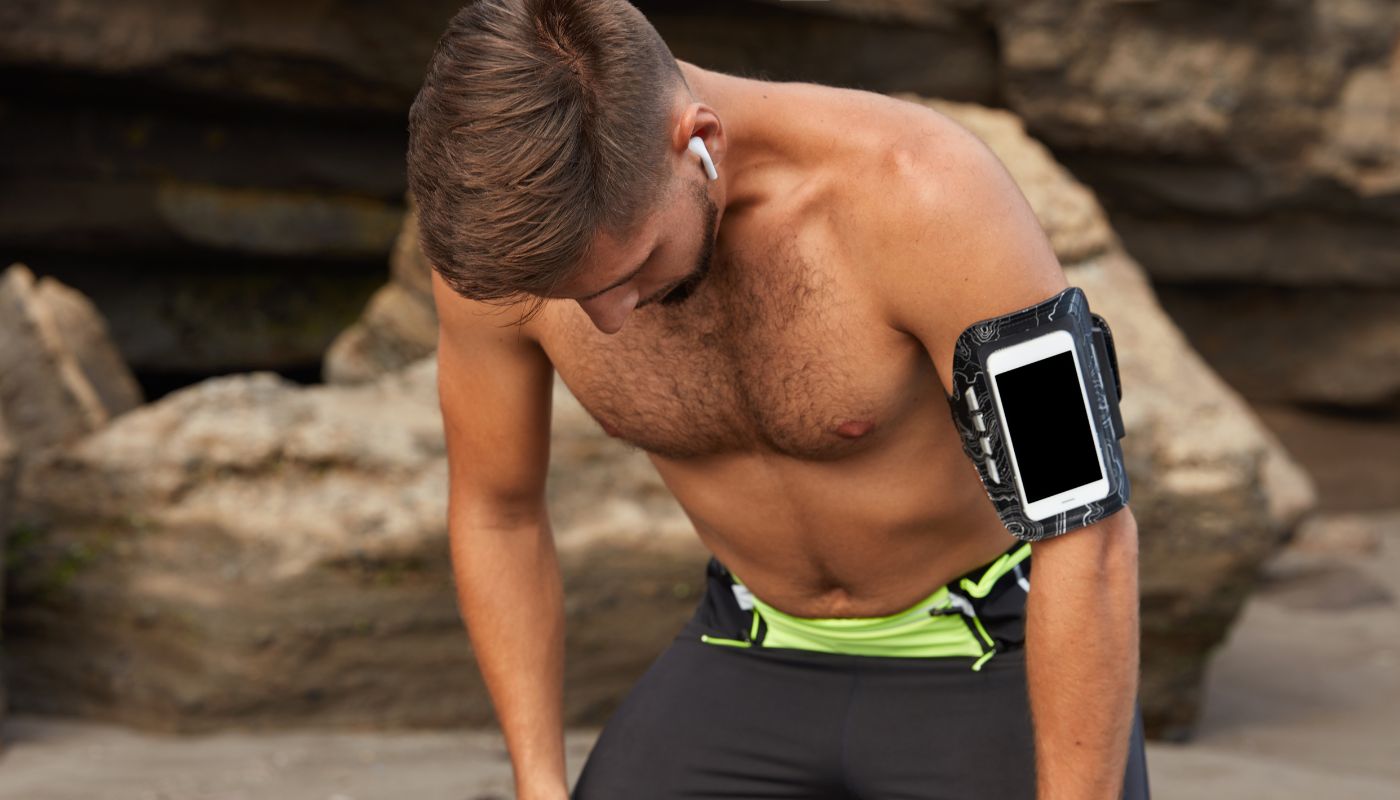
While heart rate monitors focus primarily on pulse tracking, understanding the relationship between blood pressure readings and heart rate provides comprehensive cardiovascular health insights. Both metrics work together to indicate cardiovascular system efficiency and overall health status.
Blood pressure and heart rate can be influenced by similar factors including stress, exercise, caffeine, and medications, but they don’t always correlate directly. Some individuals may have normal heart rates with elevated blood pressure, while others show opposite patterns.
The integration of blood pressure monitoring with continuous heart rate tracking provides more complete cardiovascular health pictures, particularly for individuals managing hypertension or other cardiovascular conditions that require comprehensive monitoring.
Cardiovascular Health Monitoring Considerations:
- Resting measurements: Both heart rate and blood pressure should be measured during calm, rested states
- Exercise response: Monitoring how both metrics respond to physical activity and recovery
- Medication effects: Understanding how cardiovascular medications affect both heart rate and blood pressure
- Stress correlation: Recognizing how psychological stress influences both cardiovascular parameters
- Professional consultation: Working with healthcare providers to interpret comprehensive cardiovascular data
The timing of measurements affects both heart rate and blood pressure readings, with morning measurements often providing the most consistent baseline data for tracking long-term trends and health changes.
Lifestyle factors including sleep quality, hydration status, and recent food intake can affect both heart rate and blood pressure, making consistent measurement conditions important for accurate trend analysis.
References:
- World Health Organization. Cardiovascular Diseases: Key Facts. WHO Global Health Observatory, 2023.
- American Heart Association. Know Your Target Heart Rates for Exercise, Losing Weight and Health. Heart.org, 2023.
- Nunan, D., et al. A quantitative systematic review of normal values for short-term heart rate variability in healthy adults. Pacing and Clinical Electrophysiology, 2010; 33(11): 1407-1417.
- Achten, J. & Jeukendrup, A.E. Heart rate monitoring: applications and limitations. Sports Medicine, 2003; 33(7): 517-538.
- Task Force of the European Society of Cardiology. Heart rate variability: standards of measurement, physiological interpretation and clinical use. Circulation, 1996; 93(5): 1043-1065.