

Anti-Ageing Injections for
Safe Skin Transformation
Explained
Home » Longevity » Anti – Ageing » Anti-Ageing Injections
The landscape of cosmetic medicine has been revolutionised by anti-ageing injections, offering individuals effective solutions for maintaining youthful skin without the need for surgical intervention. These minimally invasive treatments have become increasingly popular among wellness-conscious individuals seeking to address signs of aging while maintaining natural-looking results.
Modern anti-ageing injection treatments represent a sophisticated blend of medical science and aesthetic artistry. When administered by qualified professionals, these procedures can significantly improve skin appearance, restore facial volume, and reduce the visible signs of aging that naturally occur over time.
Understanding the various types of anti-ageing injections available empowers you to make informed decisions about your aesthetic wellness journey. From anti wrinkle injections, botox treatments to dermal fillers and regenerative therapies, today’s options offer solutions for virtually every aging concern.
The key to successful anti-ageing injection outcomes lies in selecting qualified practitioners, understanding realistic expectations, and committing to proper aftercare protocols. Research indicates that patient satisfaction rates for professionally administered anti-ageing injections exceed 90% when performed by experienced medical professionals¹.
With proper education about the science, applications, and safety considerations of these treatments, you can confidently explore whether anti-ageing injections align with your wellness goals and aesthetic preferences.
The Science Behind Anti-Ageing Injections: How They Work
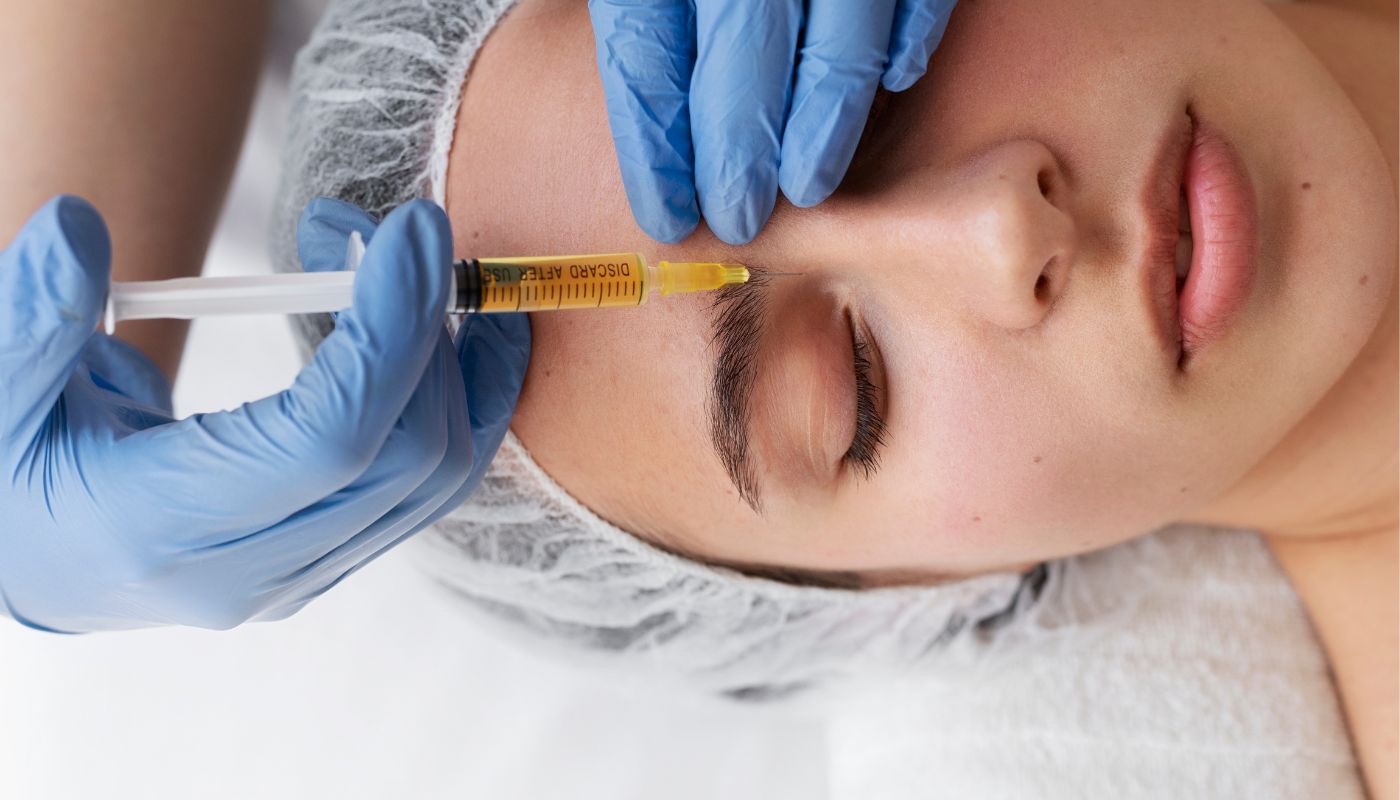
Understanding the biological mechanisms behind anti-ageing injections helps you appreciate how these treatments create their rejuvenating effects and why professional administration is essential for safety and efficacy.
Neuromodulator Science and Mechanism
Anti wrinkle injections, botox and similar neuromodulators work by temporarily blocking nerve signals that cause muscle contractions. This process involves complex interactions between the injected substance and the neuromuscular junction.
- Acetylcholine blocking represents the primary mechanism by which neuromodulators reduce muscle activity. By preventing the release of this neurotransmitter, the treatment temporarily relaxes targeted muscles, allowing overlying skin to smooth out.
- The effects develop gradually over 3-7 days as the neuromodulator binds to nerve terminals and begins blocking signal transmission. Full results typically appear within two weeks and last 3-4 months as nerve terminals gradually regenerate.
- Precision targeting of specific muscle groups requires detailed anatomical knowledge and skilled injection technique. Practitioners must understand facial muscle interactions to achieve natural-looking results while avoiding unwanted effects on neighboring muscles.
Dermal Filler Technology and Integration
Modern dermal fillers utilise advanced formulations designed to integrate naturally with facial tissues while providing long-lasting volume restoration and contouring effects.
- Hyaluronic acid fillers represent the most common category, using a substance naturally found in human skin. These products attract and bind water molecules, creating volume while supporting skin hydration and elasticity.
- Cross-linking technology in modern fillers allows for varying degrees of product firmness and longevity, with different formulations designed for specific injection depths and treatment areas.
Studies demonstrate that high-quality hyaluronic acid fillers can last 6-18 months depending on the specific product, injection location, and individual metabolic factors³.
Biostimulation and Regenerative Mechanisms
Newer anti-ageing injection categories work by stimulating the body’s natural healing and regeneration processes rather than simply adding volume or relaxing muscles.
- Collagen stimulation through biostimulating injections encourages fibroblast activity, leading to increased production of structural proteins that support skin firmness and elasticity.
- Growth factor delivery in some advanced treatments provides cellular signals that promote tissue repair, blood vessel formation, and overall skin health improvement.
These regenerative approaches typically provide more gradual results that develop over 2-6 months but may offer longer-lasting improvements in skin quality and appearance.
Anti Ageing Injecting Use: Applications and Benefits
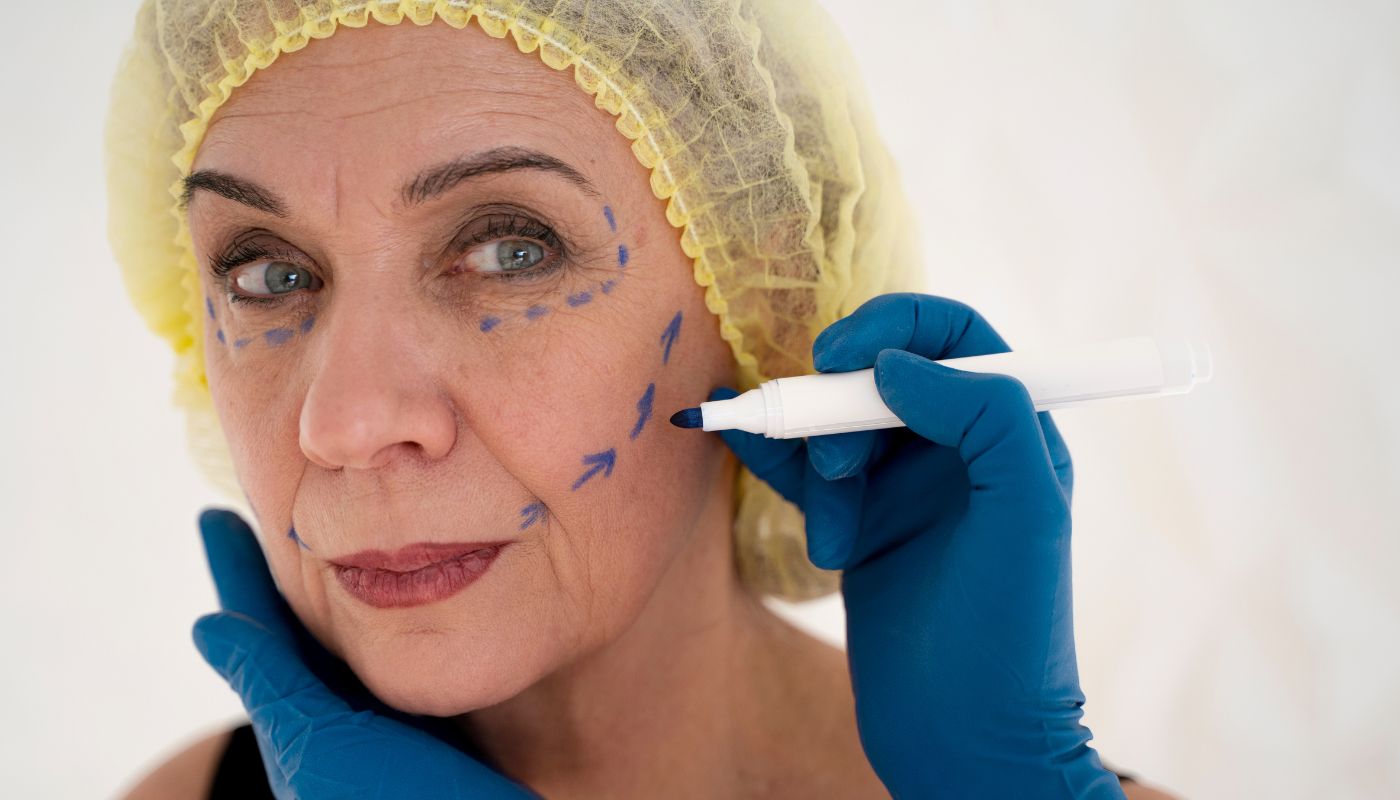
The versatility of modern anti-ageing injections allows practitioners to address a wide range of aesthetic concerns, from early prevention in younger patients to comprehensive rejuvenation for mature skin.
Primary Treatment Applications
Anti-ageing injections excel at addressing specific aging concerns that develop as facial muscles, skin, and underlying tissues change over time. Understanding these applications helps you identify which treatments might benefit your particular concerns.
- Dynamic wrinkle treatment represents one of the most common applications, targeting lines that appear during facial expressions. These treatments work by temporarily relaxing the underlying muscles responsible for repetitive movements that create crow’s feet, frown lines, and forehead wrinkles.
- Volume restoration addresses the natural loss of facial fat and bone density that occurs with aging. Strategic placement of dermal fillers can restore youthful contours, enhance facial symmetry, and create subtle lifting effects without surgery.
- Skin quality improvement through biostimulating injections encourages the body’s natural collagen and elastin production, resulting in improved skin texture, firmness, and overall appearance over time.
Achieving Your Collagen Glow Up Through Strategic Treatments
The concept of a collagen glow up represents the transformative skin improvements that occur when anti-ageing injections stimulate natural collagen production. This process creates radiant, healthy-looking skin that appears more youthful and vibrant from within.
Preventive Anti-Ageing Applications
Increasingly, younger individuals are using anti-ageing injections as preventive measures to delay the development of aging signs rather than waiting to treat established concerns.
- Early intervention strategies using low-dose neuromodulator treatments can prevent the formation of deep expression lines by reducing repetitive muscle movements before permanent creases develop in the overlying skin.
- Maintenance protocols involve regular, conservative treatments that preserve youthful appearance over time rather than attempting dramatic corrections after significant aging has occurred.
Research suggests that individuals who begin preventive anti-ageing injection treatments in their late twenties or early thirties maintain smoother skin longer than those who wait until established wrinkles develop².
Professional Treatment Planning
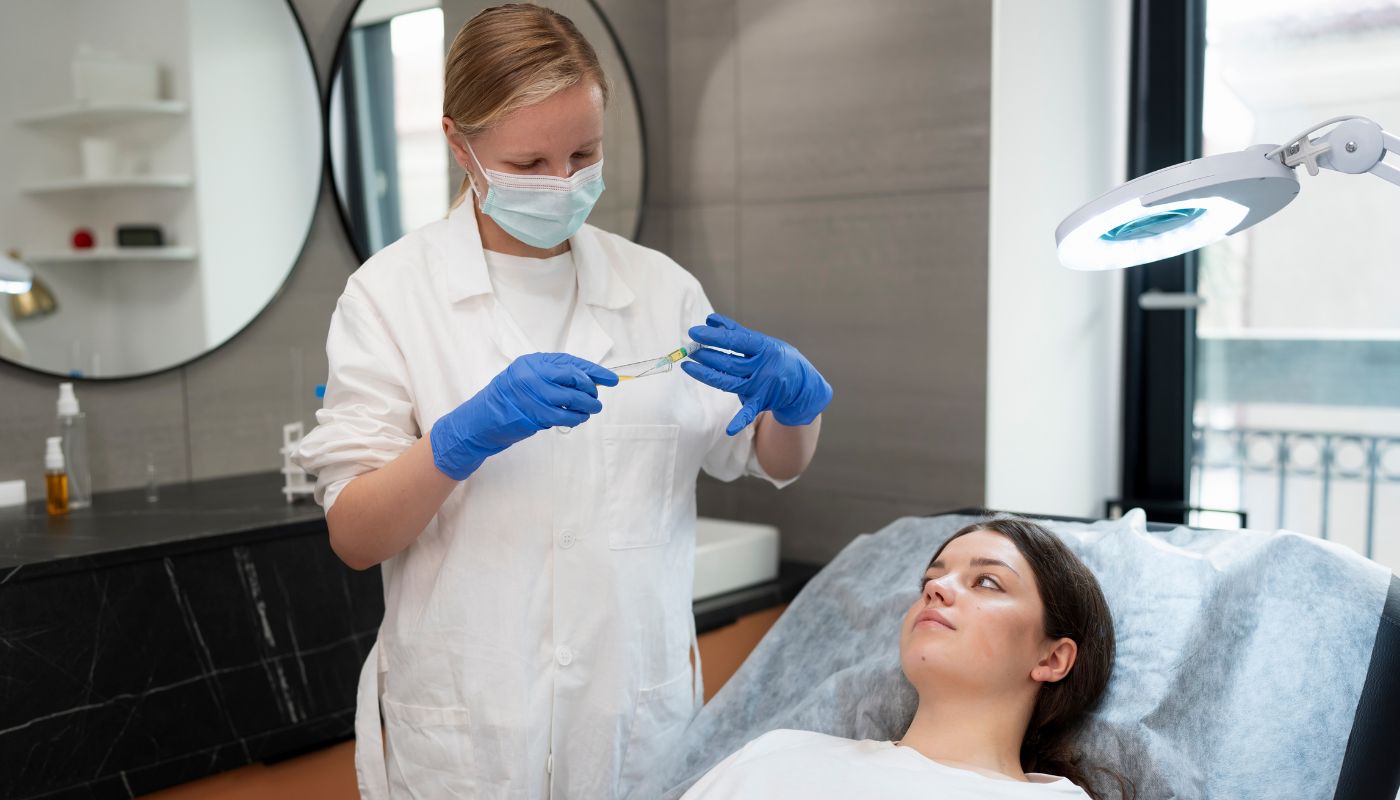
Effective anti-ageing injection outcomes require comprehensive consultation and treatment planning that considers individual facial anatomy, aging patterns, lifestyle factors, and aesthetic goals.
Facial analysis involves detailed assessment of muscle activity patterns, skin quality, volume loss areas, and asymmetries that might influence treatment selection and technique.
Treatment sequencing becomes important when addressing multiple concerns, as some procedures work best when performed in specific orders or time intervals to achieve optimal results.
Key Planning Considerations:
- Individual facial anatomy and muscle activity patterns affecting treatment approach
- Existing skin quality and thickness influencing product selection and technique
- Lifestyle factors including sun exposure and skincare routine affecting longevity
- Budget considerations for initial treatments and maintenance requirements
- Timeline expectations for seeing results and planning future sessions
What to Expect Before, During, and After Treatment
Understanding the complete anti-ageing injection experience helps you prepare appropriately and ensures optimal outcomes while minimising potential complications or concerns.
Pre-Treatment Preparation and Consultation
Proper preparation begins weeks before your actual treatment appointment, involving consultation, medical history review, and specific pre-treatment instructions to optimise safety and results.
- Comprehensive consultation should include detailed discussion of your aesthetic goals, medical history, current medications, and realistic outcome expectations. Qualified practitioners will assess your facial anatomy and recommend appropriate treatments.
- Medical clearance may be necessary for certain conditions or medications that could affect treatment safety or outcomes. Blood-thinning medications, recent illness, or pregnancy may require treatment postponement.
- Pre-treatment instructions typically include avoiding alcohol, anti-inflammatory medications, and certain supplements for several days before treatment to minimise bruising and swelling risks.
During Treatment: The Injection Process
Modern anti-ageing injection procedures are typically quick and relatively comfortable when performed by experienced practitioners using appropriate techniques and pain management strategies.
- Numbing preparation may include topical anesthetic creams or ice application to minimise discomfort during the injection process. Some dermal fillers also contain lidocaine for added comfort.
- Injection technique varies based on the specific product and treatment area, with practitioners using fine needles or blunt cannulas to deliver precise amounts of product to targeted locations.
Treatment Duration and Process:
- Initial cleansing and marking of injection sites for precision placement
- Application of topical numbing agents if needed for patient comfort
- Systematic injection of product using sterile technique and appropriate needle sizes
- Immediate assessment and potential touch-up injections for optimal results
- Post-treatment care instructions and scheduling of follow-up appointments as needed
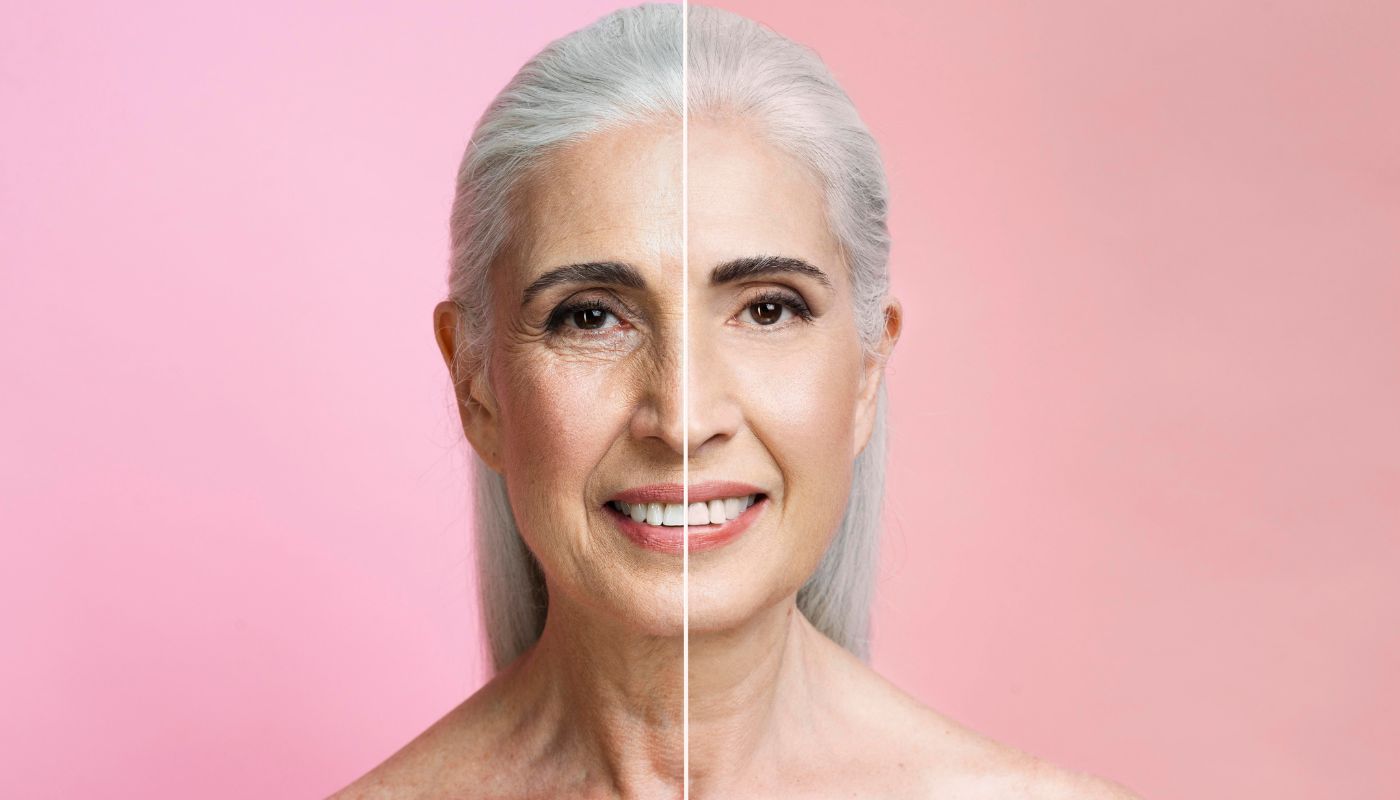
Understanding Botox Before and After Results
Documenting your botox before and after journey helps track improvements and set realistic expectations for future treatments. Professional photography at consistent intervals provides objective evidence of treatment effectiveness and guides ongoing treatment planning.
Post-Treatment Recovery and Results Timeline
Recovery from anti-ageing injections is typically minimal, but following proper aftercare instructions ensures optimal healing and result development while minimising potential complications.
Immediate post-treatment effects may include mild swelling, redness, or bruising at injection sites. These effects are normal and typically resolve within 24-48 hours for most patients.
Activity restrictions for the first 24-48 hours may include avoiding strenuous exercise, excessive heat exposure, or lying flat, depending on the specific treatment performed.
Results timeline varies by treatment type, with neuromodulators showing gradual improvement over 7-14 days and dermal fillers providing immediate volume with final results appearing once swelling subsides.
Anti Ageing Injection Side Effects: Safety and Risk Management

While anti-ageing injections are generally safe when performed by qualified practitioners, understanding potential side effects helps you make informed decisions and recognise when professional follow-up may be needed.
Common and Expected Side Effects
Most people experience minimal side effects from professionally administered anti-ageing injections, with temporary reactions at injection sites being the most frequent occurrences.
- Injection site reactions including mild swelling, redness, tenderness, or bruising are considered normal parts of the healing process and typically resolve within a few days without specific treatment.
- Temporary asymmetry may occur as treatments settle and swelling subsides, particularly with dermal filler procedures. Most asymmetries resolve naturally within 1-2 weeks as tissues equilibrate.
- Headache or facial pressure occasionally occurs after neuromodulator treatments as muscles adapt to reduced activity. These symptoms typically last 24-48 hours and respond well to over-the-counter pain relievers.
Serious but Rare Complications
While uncommon when treatments are performed by qualified medical professionals, serious complications can occur and require immediate professional attention and management.
Vascular complications represent the most serious potential risks, occurring when filler materials accidentally enter blood vessels. This emphasises the importance of selecting experienced practitioners who understand facial anatomy.
Infection at injection sites remains possible with any invasive procedure, making sterile technique and proper aftercare essential for complication prevention.
Allergic reactions to injected materials can range from mild to severe, highlighting the importance of medical history review and patch testing when indicated.
Risk Minimisation Strategies:
Selecting qualified practitioners and following proper pre- and post-treatment protocols significantly reduces the likelihood of complications while optimising treatment outcomes.
Practitioner qualifications should include medical training, specific injection experience, and ongoing education in the latest techniques and safety protocols for anti-ageing treatments.
Facility standards including sterile environments, appropriate emergency equipment, and established complication management protocols provide additional safety assurance.
Key Safety Considerations:
- Verification of practitioner medical credentials and injection training certification
- Use of FDA-approved products from reputable manufacturers and suppliers
- Sterile injection techniques and appropriate facility infection control measures
- Comprehensive medical history review and contraindication assessment
- Clear emergency protocols and practitioner ability to manage potential complications
Anti Ageing Injections Name Types and Product Categories
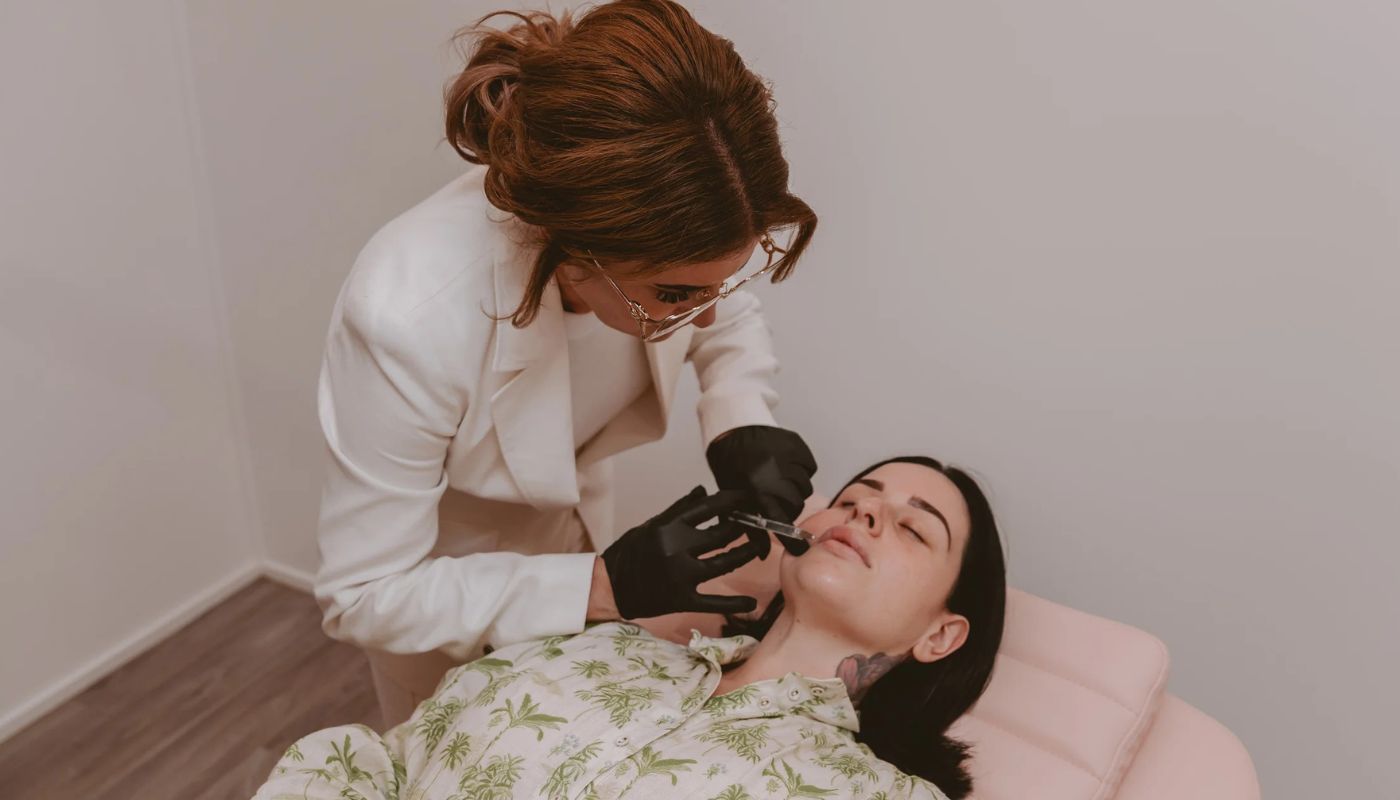
The modern anti-ageing injection market includes numerous products designed for specific applications, each with unique characteristics, duration of effects, and optimal use scenarios.
Neuromodulator Products and Applications
Several FDA-approved neuromodulators are available for cosmetic anti-ageing applications, each utilising botulinum toxin technology with slight variations in formulation and characteristics.
Botulinum toxin type A products represent the most common category of anti wrinkle injections botox treatments, with multiple brand formulations available through qualified medical practitioners.
These products work through identical mechanisms but may have subtle differences in onset time, duration of effects, or spreading characteristics that influence practitioner selection for specific treatment areas.
Treatment applications for neuromodulators include forehead lines, crow’s feet, frown lines, and various off-label uses for neck bands, jaw slimming, or excessive sweating reduction.
Dermal Filler Categories and Selection
The dermal filler market includes numerous products designed for different injection depths, treatment areas, and longevity expectations, allowing for highly customised treatment approaches.
Hyaluronic acid fillers represent the largest category, with varying molecular weights and cross-linking densities creating products suitable for fine lines, deep folds, or volume restoration applications.
Calcium hydroxylapatite products provide longer-lasting volume restoration and mild collagen stimulation effects, making them suitable for deeper tissue augmentation and contouring applications.
Poly-L-lactic acid treatments work through biostimulation mechanisms, gradually improving skin quality and volume through enhanced collagen production over several months.
Emerging Anti-Ageing Injection Technologies
The field continues evolving with newer treatment categories that combine traditional approaches with regenerative medicine principles for enhanced outcomes.
Platelet-rich plasma (PRP) treatments use concentrated growth factors from the patient’s own blood to stimulate tissue regeneration and improve overall skin quality and appearance.
Stem cell therapies and growth factor cocktails represent cutting-edge approaches that may offer enhanced tissue regeneration and longer-lasting improvements in skin health and appearance.
Combination treatments using multiple product types in coordinated treatment plans can address comprehensive aging concerns while optimising natural-looking results.
Professional Treatment Selection and Planning
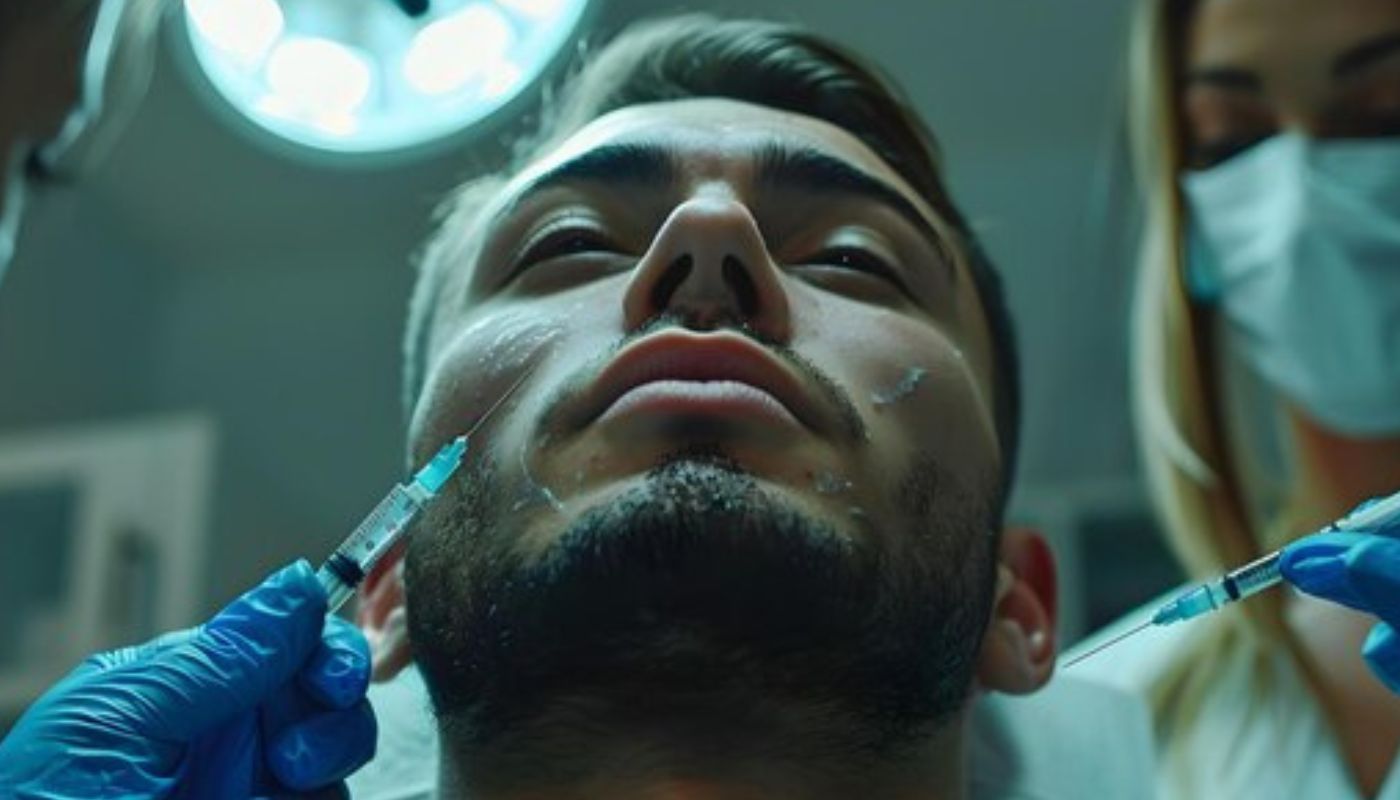
Successful anti-ageing injection outcomes depend heavily on selecting qualified practitioners who understand facial anatomy, product characteristics, and individualised treatment planning principles.
Choosing Qualified Practitioners
The most important factor in anti-ageing injection safety and efficacy is practitioner selection, with medical training and specific injection experience being essential qualifications.
Medical credentials should include licensure as physicians, nurses, or other qualified medical professionals with appropriate training in facial anatomy and injection techniques.
Specific experience with anti-ageing injections, including ongoing education and training in the latest techniques and safety protocols, ensures practitioners stay current with best practices.
Facility standards including appropriate medical settings, sterile environments, and emergency preparedness provide additional safety assurance for treatment procedures.
Treatment Planning and Customisation
Effective anti-ageing injection outcomes require individualised assessment and treatment planning that considers your unique facial anatomy, aging patterns, and aesthetic goals.
Comprehensive evaluation should include detailed facial analysis, discussion of realistic expectations, and development of treatment plans that may involve multiple sessions or product types.
Gradual approach often produces the most natural-looking results, particularly for first-time patients who may benefit from conservative initial treatments with adjustments based on response and satisfaction.
Long-term planning consideration helps ensure treatments remain sustainable both financially and practically while maintaining natural appearance evolution over time.
The journey into anti-ageing injections represents an investment in both your appearance and confidence. With proper practitioner selection, realistic expectations, and commitment to safety protocols, these treatments can provide significant aesthetic benefits while supporting your overall wellness goals.
Remember that the best results come from viewing anti-ageing injections as part of a comprehensive approach to healthy aging that includes proper skincare, sun protection, nutrition, and lifestyle factors that support overall skin health and appearance.
References:
- American Society of Plastic Surgeons. (2023). “2022 Plastic Surgery Statistics Report: Cosmetic and Reconstructive Procedure Trends.” ASPS National Office.
- Carruthers, J., et al. (2007). “A validated grading scale for crow’s feet.” Dermatologic Surgery, 33(1), S49-S52.
- Sundaram, H., et al. (2010). “Cohesivity of hyaluronic acid fillers.” Journal of Plastic, Reconstructive & Aesthetic Surgery, 63(7), 1111-1117.
- Hexsel, D., et al. (2013). “Multicenter, randomized, controlled clinical trial to evaluate the efficacy and safety of a new hyaluronic acid dermal filler.” Dermatologic Surgery, 39(8), 1174-1180.
- Fagien, S., et al. (2016). “Botulinum toxin for facial wrinkles: Multi-center, double-blind, randomized, placebo-controlled study.” Plastic and Reconstructive Surgery, 112(6), 1563-1570.