


Written by: Aditi Koli, Content Writer
Reviewed & Edited by: Dr. Dooa Arif, Content Strategist
Estimated Reading Time: 8 minutes
TL;DR
Heart rate monitor chest straps are the gold standard for accuracy in fitness tracking, offering real-time, precise heart data, calorie burn, and overall cardiovascular performance. Unlike wrist-based trackers, they provide direct measurements of electrical signals, making them far more reliable during intense exercises or varying conditions. When used in combination with sports watches, these straps deliver optimal data accessibility, enabling athletes to maintain target heart rate zones and fine-tune their training intensity.
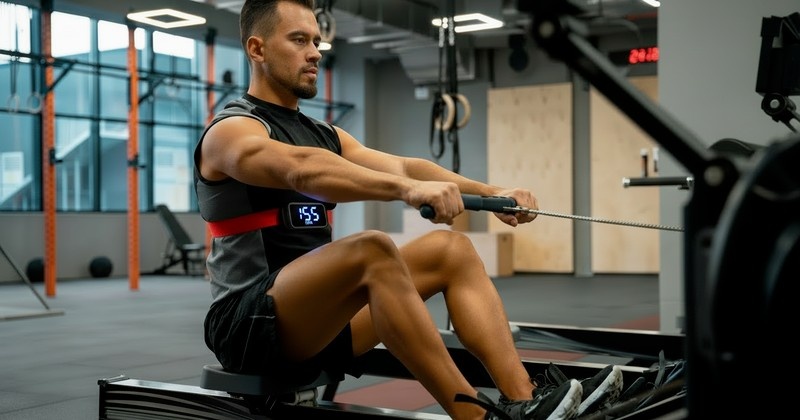
Heart rate monitor chest straps have revolutionised how fitness enthusiasts track their cardiovascular performance. Unlike their wrist-worn counterparts, these devices sit snugly around your torso, positioned just below your chest muscles, where they detect electrical signals from your heart with remarkable precision.
The basic principle is elegantly simple. Your heart generates electrical impulses with each beat, and the strap’s sensors pick up these signals through your skin. This data transmits wirelessly to your watch, smartphone, or gym equipment, providing real-time feedback about your workout intensity.
What makes them particularly appealing is their medical-grade accuracy. Hospitals and clinical settings have long relied on similar technology for electrocardiogram readings, which speaks volumes about their reliability. For anyone serious about optimising their training zones or monitoring cardiovascular health, this accuracy proves invaluable.
This modern device has evolved considerably from its bulky predecessors. Today’s versions feature soft, adjustable fabrics that move with your body, making them surprisingly comfortable even during high-intensity activities. Many athletes forget they’re wearing them altogether.
The global market for these devices was valued at about USD 1.2 billion in 2024 and is forecast to grow to approximately USD 2.7 billion by 2033¹ .
The Science Behind Chest Strap Accuracy
The remarkable precision of chest monitors stems from their proximity to your heart and their method of detection. Whilst optical sensors on smartwatches measure blood flow through your wrist, the straps capture electrical activity directly from your heart’s contractions.
This distinction matters enormously during intense exercise. When you’re pushing hard, blood flow to your extremities can become irregular, causing wrist-based monitors to struggle with accurate readings. Your movements during activities like weightlifting or boxing can also confuse optical sensors, leading to frustrating inaccuracies.
Chest straps remain unaffected by these variables. The electrical signals they measure are consistent regardless of how much you’re sweating, moving, or how cold your hands might be. This reliability makes them the gold standard for serious training.
The technology also responds instantly to changes in your heart beats, with virtually no lag time. This immediate feedback allows you to adjust your effort precisely, maximising the effectiveness of interval training and ensuring you’re not overexerting yourself.
Key Takeaways: Electrical signal detection provides consistent accuracy during all activities. This detection is unaffected by movement, sweat, or environmental factors.
Wearing Chest Strap Heart Monitor All Day: Pros and Cons
The question of putting on these wearables all day divides the fitness community. Some enthusiasts swear by continuous monitoring, whilst others prefer reserving their strap for dedicated workout sessions.
The advantages of all-day wear include comprehensive data collection. You’ll gain insights into your resting heart beat rate trends, stress responses throughout your day, and how daily activities affect your cardiovascular system. This holistic view can reveal patterns you’d otherwise miss.
However, comfort considerations are paramount. Whilst modern straps are designed for extended wear, some people find them restrictive during everyday activities. The constant contact can also lead to skin irritation if you’re particularly sensitive or if the strap isn’t properly maintained.
Battery life becomes another factor.
Many fitness professionals suggest a middle ground: wear your strap during all physical activities, including walks and active daily tasks, but remove it during sedentary periods.
Key Takeaways: All-day wear provides comprehensive cardiovascular insights. Comfort and skin sensitivity require individual consideration.
Pairing With Your Watch
Most modern sports watches support torso strap connectivity through Bluetooth or ANT+ protocols, though compatibility checking before purchase remains essential.
Pairing typically involves placing your watch in discovery mode, then activating your strap by wetting the electrode pads and securing it around your chest. The devices find each other within seconds, establishing a stable connection that persists throughout your workout.
Once paired, the combination displays real-time data on your wrist whilst the strap handles the measurement. This arrangement offers the best of both worlds: the accuracy of chest-based monitoring with the convenience of wrist-based display and data storage.
Many athletes appreciate being able to glance at their watch during runs or rides without breaking stride. The watch can alert you when you’re exceeding or falling below target heart beat rate zones, helping you maintain optimal training intensity without constant attention to your device.
Key Takeaways: Bluetooth and ANT+ enable seamless device connectivity. Combination provides accuracy with convenient data access.
Maximising Calorie Tracking with Chest Straps
Understanding how calories burned calculation on these devices works empowers you to optimise your fitness results. The technology uses your heart rate data, combined with personal metrics like age, weight, and gender, to estimate energy expenditure with impressive accuracy.
The relationship between heart rate and calorie burn is well-established in exercise science. As your heart works harder to supply oxygen to your muscles, you burn more calories. By monitoring these fluctuations precisely, chest straps provide far more reliable calorie estimates than basic activity trackers.
This accuracy proves particularly valuable for those managing weight or training for specific performance goals. Knowing precisely how many calories you’ve expended during workouts allows you to adjust your nutrition accordingly, whether you’re aiming to create a deficit for weight loss or ensure adequate fuel for recovery.
Different workout intensities affect calorie burn in complex ways. High-intensity interval training, for instance, creates an “afterburn effect” where your body continues burning elevated calories post-workout. Chest strap monitors capture these nuances, providing a more complete picture of your total energy expenditure.
For endurance athletes, this data becomes crucial for fuelling strategy. Understanding exactly how many calories you burn during long training sessions helps you plan nutrition intake to maintain performance without bonking or carrying unnecessary weight in energy gels.
Key Takeaways: Heart rate data enables accurate calorie expenditure calculations. Precision supports effective weight management strategies.

FAQs
Yes, chest strap heart rate monitors are generally considered the most accurate for measuring heart rate, as they directly detect electrical signals from the heart.
A heart rate of 120 bpm can be normal during physical activity or stress, but it may be considered elevated at rest and could indicate a need for further evaluation if persistent.
References
- Patel, D. (2024). Chest Strap Heart Monitor Market Research Report 2033 [Market research report]. Market Intelo. https://marketintelo.com/report/heart-rate-monitor-chest-strap-market
Get in Touch with Us
We’d love to hear from you—share your thoughts or ask a question!