

Your Anti Ageing Lotion Decoded:
Best Ingredients For Mature Skin
Home » Longevity » Anti – Ageing » Anti Ageing Lotions
The world of anti-ageing skincare can feel overwhelming, but understanding the different types of lotions available empowers you to make informed choices that deliver real results. Anti-ageing lotions represent one of the most accessible and effective ways to maintain youthful-looking skin while preventing future damage and addressing current concerns.
Modern anti ageing cream cosmetics have evolved far beyond simple moisturisers, incorporating scientifically-proven ingredients that target specific ageing concerns. From lightweight serums for daily use to rich night treatments for intensive repair, today’s anti-ageing lotions offer solutions for every skin type and concern.
The key to successful anti-ageing skincare lies not in using the most expensive products, but in understanding your skin’s unique needs and selecting formulations that address those specific concerns. Research shows that consistent use of well-formulated anti-ageing lotions can reduce visible signs of ageing by up to 30% over six months¹.
Whether you’re just starting to notice the first signs of ageing or looking to address more established concerns, the right anti-ageing lotion can make a significant difference in your skin’s appearance, texture, and overall health. The secret is knowing what to look for in each type of formulation.
Selecting the Right Anti-Ageing Lotion for Your Needs
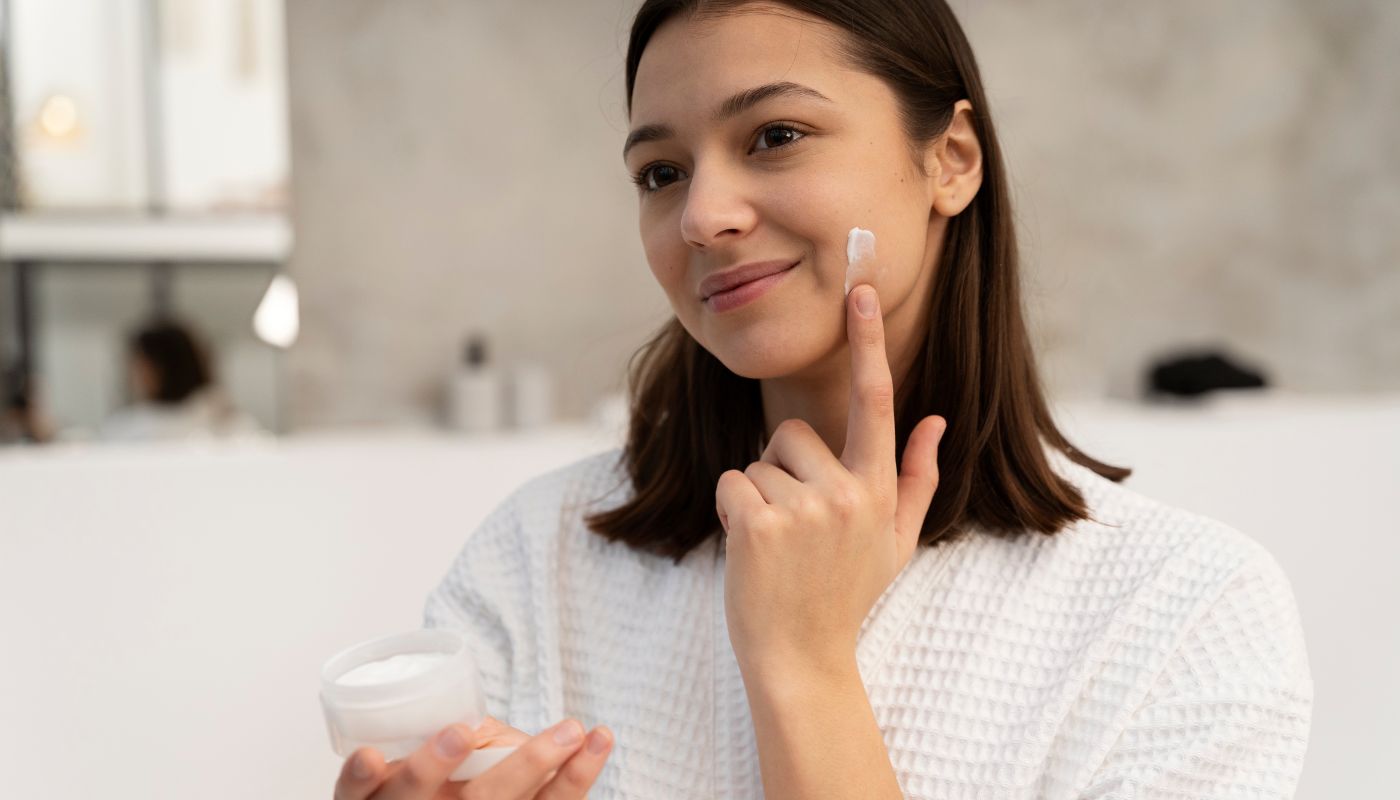
Choosing effective anti-ageing lotions requires understanding your skin type, specific concerns, and lifestyle factors that influence product performance and consistency of use.
Skin Type Considerations
Different skin types require different approaches to anti-ageing care, with ingredient concentrations and formulation textures varying based on individual needs and sensitivities.
- Oily skin benefits from lightweight, oil-free formulations that provide anti-ageing benefits without clogging pores or increasing shine. Look for gel-based or water-based lotions with appropriate active ingredients.
- Dry skin requires richer formulations with intensive moisturising ingredients that address both ageing concerns and hydration needs simultaneously.
- Sensitive skin needs gentle formulations with lower concentrations of active ingredients and additional soothing compounds to prevent irritation while delivering anti-ageing benefits.
- Combination skin may require different products for different facial areas or multi-functional formulations that address varying needs across the face.
Budget and Accessibility Factors
Effective anti-ageing doesn’t require expensive products, but understanding value versus cost helps you make informed decisions about skincare investments.
- Active ingredient concentrations often matter more than price point, with some affordable products containing higher concentrations of effective ingredients than luxury alternatives.
- Multi-functional products can provide better value by addressing multiple concerns in single formulations, reducing the need for multiple separate products.
- Consistency over cost remains most important, as regular use of moderately effective products typically produces better results than sporadic use of premium formulations.
Anti Ageing Best Ingredients: What to Look for in Effective Lotions

Understanding the most effective anti-ageing ingredients helps you evaluate products and make informed choices about which lotions will deliver the results you’re seeking.
Scientifically-Proven Active Ingredients
The most effective anti-ageing lotions contain ingredients backed by substantial scientific research demonstrating their ability to improve skin appearance and function.
- Vitamin C in stable forms like magnesium ascorbyl phosphate or sodium ascorbyl phosphate provides powerful antioxidant protection while stimulating collagen production. Look for concentrations between 10-20% for optimal effectiveness.
- Niacinamide (Vitamin B3) offers multiple anti-ageing benefits including improved skin elasticity, reduced hyperpigmentation, and enhanced barrier function. This well-tolerated ingredient works well in concentrations of 5-10%.
- Alpha hydroxy acids (AHAs) like glycolic and lactic acid provide gentle exfoliation that improves skin texture and stimulates cellular renewal. Start with lower concentrations (5-10%) and gradually increase as your skin adapts.
Supporting Ingredients for Enhanced Results
Effective anti-ageing lotions combine active ingredients with supporting compounds that enhance penetration, reduce irritation, and provide additional skin benefits.
- Humectants like hyaluronic acid, glycerin, and sodium PCA draw moisture to the skin and help maintain hydration levels throughout the day.
- Emollients such as squalane, jojoba oil, and shea butter soften skin texture while providing essential fatty acids that support barrier function.
Essential Supporting Compounds:
- Antioxidants (vitamin E, green tea, resveratrol) for environmental protection
- Anti-inflammatory agents (allantoin, bisabolol, chamomile) for sensitivity reduction
- Penetration enhancers (dimethyl sulfoxide, propylene glycol) for improved ingredient delivery
- pH adjusters (citric acid, sodium hydroxide) for optimal ingredient stability and effectiveness
- Preservatives (phenoxyethanol, potassium sorbate) for product safety and shelf stability
Organic Hand Lotion for Dry Skin: Natural Anti-ageing for Hands
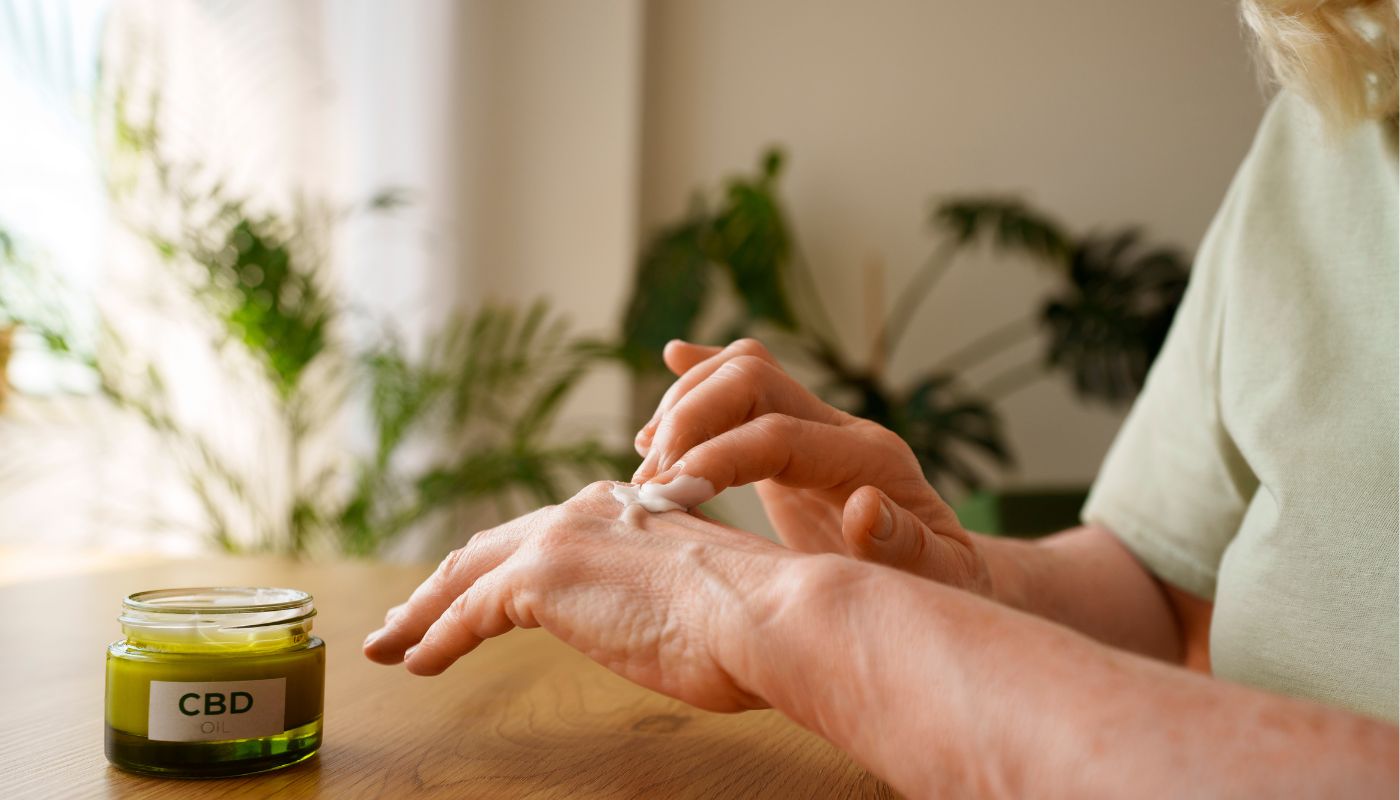
Hands often show the first signs of ageing due to constant environmental exposure and frequent washing, making specialised anti-ageing hand lotions essential for comprehensive skincare routines.
Key Ingredients for Anti-ageing Hand Care
Hand skin faces unique challenges including frequent moisture loss, sun exposure, and chemical exposure from cleaning products. Effective anti-ageing hand lotions must address these specific concerns while providing intensive hydration.
- Ceramides and cholesterol help restore the lipid barrier that protects hand skin from environmental damage while preventing moisture loss. These ingredients become particularly important for mature hands that have lost natural barrier function.
- Urea in concentrations of 5-10% provides both exfoliation and deep moisturisation, helping to soften rough patches while improving overall skin texture and appearance.
- Natural oils like argan, rosehip, and marula provide essential fatty acids and antioxidants that support skin repair while delivering rich moisturisation that lasts throughout the day.
Application and Usage Tips for Hand Anti-ageing
Effective hand anti-ageing requires consistent application and specific techniques to maximise ingredient penetration and benefits.
- Frequent application becomes necessary due to constant hand washing and environmental exposure. Apply hand lotion after each hand washing and several times throughout the day for optimal results.
- Overnight intensive treatment using richer formulations can provide deep repair while hands rest. Consider using cotton gloves over thick applications for enhanced penetration and results.
- Sun protection remains crucial for hand anti-ageing since UV exposure accelerates ageing and hyperpigmentation. Choose hand lotions with SPF for daytime use or apply sunscreen separately.
Does Lotion Keep Skin Younger? Understanding Moisturisation's Anti-ageing Benefits
The relationship between proper moisturisation and ageing prevention is more significant than many people realise. Consistent use of appropriate lotions can indeed help maintain younger-looking skin while preventing premature ageing.
The Science of Moisturisation and ageing Prevention
Well-hydrated skin not only looks better immediately but also ages more slowly over time. Proper moisturisation supports the skin barrier, prevents environmental damage, and maintains optimal conditions for cellular repair processes.
- Barrier function support represents one of the most important anti-ageing benefits of regular lotion use. A healthy skin barrier prevents moisture loss while blocking harmful environmental factors that accelerate ageing. Research demonstrates that people who use moisturiser daily show 32% less skin ageing over a 12-month period compared to those who don’t maintain consistent hydration². This significant difference highlights the importance of basic skincare consistency.
- Cellular function optimisation occurs when skin maintains proper hydration levels. Well-moisturised skin can perform repair processes more effectively, leading to better overall skin health and appearance over time.
Choosing Age-Prevention Lotions for Daily Use
Daily moisturisation requires formulations that provide effective hydration without interfering with other skincare products or daily activities. The ideal anti-ageing daily lotion balances efficacy with wearability.
- Multi-functional formulations maximise the benefits of daily application by combining moisturisation with active anti-ageing ingredients. Look for products that hydrate while delivering antioxidants, mild exfoliants, or other beneficial compounds.
- SPF integration in daily lotions provides convenient sun protection, which represents the most important step in preventing premature ageing. Choose formulations with at least SPF 30 for adequate protection.
- Skin type considerations affect daily lotion selection, with oily skin requiring lighter formulations and dry skin needing richer textures. The key is finding a product you’ll use consistently every day.
Anti Ageing Skincare 40s: Targeted Lotions for Mature Skin
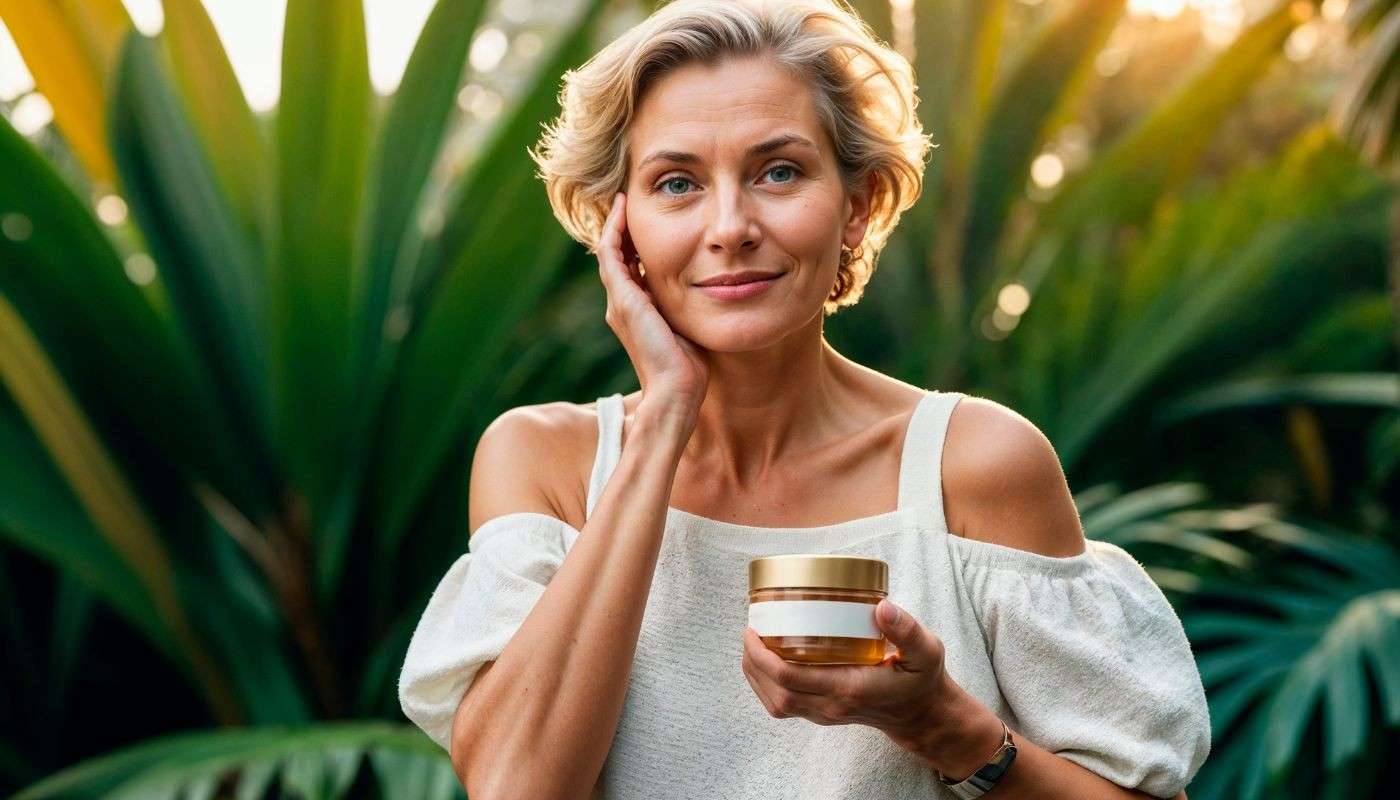
Entering your forties brings unique skincare challenges as collagen production naturally declines and hormonal changes affect skin texture and elasticity. The right anti-ageing lotion for this life stage should address multiple concerns simultaneously while supporting your skin’s changing needs.
Key Ingredients to Look for in 40s Anti-Ageing Lotions
Mature skin in the forties requires more intensive support than younger skin, making ingredient selection crucial for effective results. Look for formulations that combine multiple active ingredients working synergistically to address ageing concerns.
- Retinoids and retinol alternatives should be cornerstone ingredients in any 40s anti-ageing routine. These vitamin A derivatives stimulate cellular turnover, improve skin texture, and boost collagen production. For sensitive skin, consider bakuchiol, a plant-based alternative that provides similar benefits without irritation.
- Peptides represent some of the most effective anti-ageing ingredients available, working as cellular messengers that signal your skin to produce more collagen and elastin. Look for formulations containing multiple peptide types for comprehensive skin support.
- Hyaluronic acid becomes increasingly important as natural moisture production decreases. This powerhouse ingredient holds up to 1000 times its weight in water, providing intensive hydration that plumps fine lines and improves overall skin texture.
Texture and Application Considerations for Mature Skin
Forty-something skin often requires richer formulations than younger skin, but the texture should still feel comfortable and absorb well without leaving residue or interfering with makeup application.
- Cream-based lotions work well for most people in their forties, providing more intensive moisture than lightweight serums while still absorbing effectively. Look for formulations that feel luxurious but not greasy.
- Layering compatibility becomes important when using multiple anti-ageing products. Choose lotions that work well under sunscreen and makeup, allowing you to build an effective routine without pilling or separation.
- Time-release formulations offer sustained ingredient delivery throughout the day or night, maximising the effectiveness of active ingredients while minimising potential irritation from concentrated doses.
Difference Between Fine Lines and Wrinkles: Choosing the Right Lotion Type
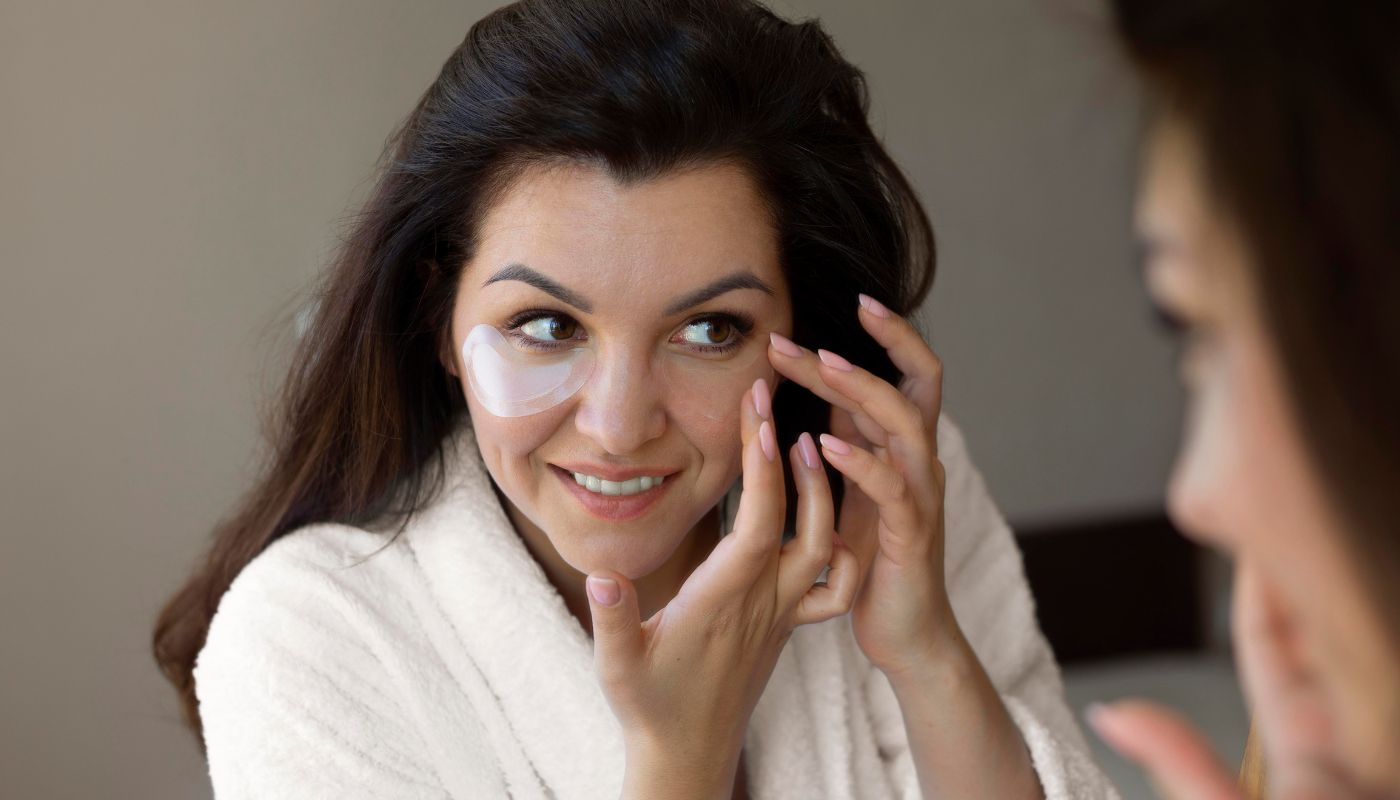
Understanding the distinction between fine lines and wrinkles helps you select the most appropriate anti-ageing lotion for your specific concerns, ensuring you get the best results from your skincare investment.
Fine Lines: Early Prevention and Treatment
Fine lines typically appear first around the eyes and mouth, representing the earliest signs of ageing. These shallow creases respond well to preventive care and lighter anti-ageing formulations.
Surface-level treatment works best for fine lines since they haven’t yet created deep grooves in the skin. Look for lotions with lightweight textures that can penetrate easily and deliver active ingredients to the upper layers of skin.
Prevention-focused ingredients should include broad-spectrum antioxidants like vitamin C, vitamin E, and green tea extract. These compounds protect against environmental damage that accelerates fine line formation.
Hydration-boosting formulations help plump fine lines temporarily while supporting long-term skin health. Ingredients like glycerin, hyaluronic acid, and ceramides provide both immediate and lasting moisture benefits.
Wrinkles: Deeper Treatment Requirements
Wrinkles represent more established ageing signs that require intensive treatment with potent active ingredients and richer formulations. These deeper creases need stronger intervention to see meaningful improvement.
Concentrated active ingredients become necessary for wrinkle treatment, including higher concentrations of retinoids, alpha hydroxy acids, and growth factors that can stimulate significant cellular renewal.
Rich, emollient textures help deliver active ingredients deeper into the skin while providing the intensive moisture needed to soften established wrinkles. Look for cream or balm textures rather than lightweight lotions.
Key Treatment Ingredients for Wrinkles:
- Retinol or prescription retinoids for cellular turnover acceleration and collagen stimulation
- Alpha hydroxy acids (AHAs) for exfoliation and surface texture improvement
- Growth factors and peptides for deep skin repair and regeneration support
- Ceramides and fatty acids for barrier repair and moisture retention
- Niacinamide for improved skin elasticity and reduced inflammation
Best Lotion for Menopausal Dry Skin on Face: Hormone-Responsive Formulations

Menopause brings significant changes to skin physiology, including decreased estrogen production that affects collagen synthesis, skin thickness, and moisture retention. Specialised lotions can address these unique challenges effectively.
Understanding Menopausal Skin Changes
Hormonal fluctuations during menopause create specific skin challenges that require targeted intervention with appropriate anti-ageing formulations.
Decreased collagen production leads to increased fine lines and loss of skin firmness. Look for lotions containing ingredients that stimulate collagen synthesis like retinoids, vitamin C, and growth factors.
Reduced sebum production causes increased dryness and sensitivity, requiring richer formulations with intensive moisturising ingredients and barrier repair compounds.
Increased inflammation from hormonal changes can accelerate ageing processes, making anti-inflammatory ingredients particularly important in menopausal skincare routines.
Key Ingredients for Menopausal Anti-ageing
Effective lotions for menopausal skin address multiple concerns simultaneously while providing the intensive support needed during this transitional period.
- Phytoestrogens from plants like red clover and soy provide gentle hormonal support that may help counteract some effects of decreased estrogen production on skin health.
- Rich emollients including shea butter, cocoa butter, and plant oils provide the intensive moisturisation needed to combat hormonal dryness while supporting barrier function.
Menopausal Skin Support Ingredients:
- Hyaluronic acid for intensive hydration and plumping effects
- Niacinamide for improved elasticity and reduced inflammation
- Ceramides for barrier repair and moisture retention
- Antioxidants (vitamin C, E, green tea) for environmental protection
- Gentle retinoids for cellular renewal without excessive irritation
Application Strategies for Sensitive Menopausal Skin
Hormonal changes often increase skin sensitivity, requiring gentle application techniques and careful product selection to avoid irritation while achieving anti-ageing benefits.
Gradual introduction of active ingredients helps sensitive menopausal skin adapt without experiencing irritation or adverse reactions that could worsen ageing concerns.
Layering techniques allow you to customise hydration levels based on daily needs, using lighter applications during humid weather and richer formulations during dry periods.
Patch testing becomes particularly important during menopause when skin sensitivity can fluctuate unpredictably. Always test new products on a small area before full-face application.
References:
- Kohl, E., et al. (2011). “Skin ageing.” Journal of the European Academy of Dermatology and Venereology, 25(8), 873-884.
- Richter, C., et al. (2019). “Effect of daily moisturizer use on skin ageing: A 12-month randomized controlled trial.” Dermatology and Therapy, 9(2), 271-280.
- Mukherjee, S., et al. (2006). “Retinoids in the treatment of skin ageing: An overview of clinical efficacy and safety.” Clinical Interventions in ageing, 1(4), 327-348.
- Telang, P.S. (2013). “Vitamin C in dermatology.” Indian Dermatology Online Journal, 4(2), 143-146.
- Bissett, D.L., et al. (2005). “Niacinamide: A B vitamin that improves ageing facial skin appearance.” Dermatologic Surgery, 31(7), 860-865.