

The field of regenerative medicine has revolutionised healthcare, offering hope for treating previously incurable conditions. At the heart of this medical breakthrough lies the fascinating world of stem cells. Understanding stem cell meaning becomes crucial as these remarkable cells continue to transform modern therapeutic approaches and offer new possibilities for healing damaged tissues and organs.
Stem cells represent one of nature’s most powerful healing mechanisms, possessing unique abilities that distinguish them from all other cell types in the human body. These specialised cells serve as the foundation for tissue repair, organ development, and potentially groundbreaking medical treatments that could reshape how we approach chronic diseases and degenerative conditions.
What Are Stem Cells
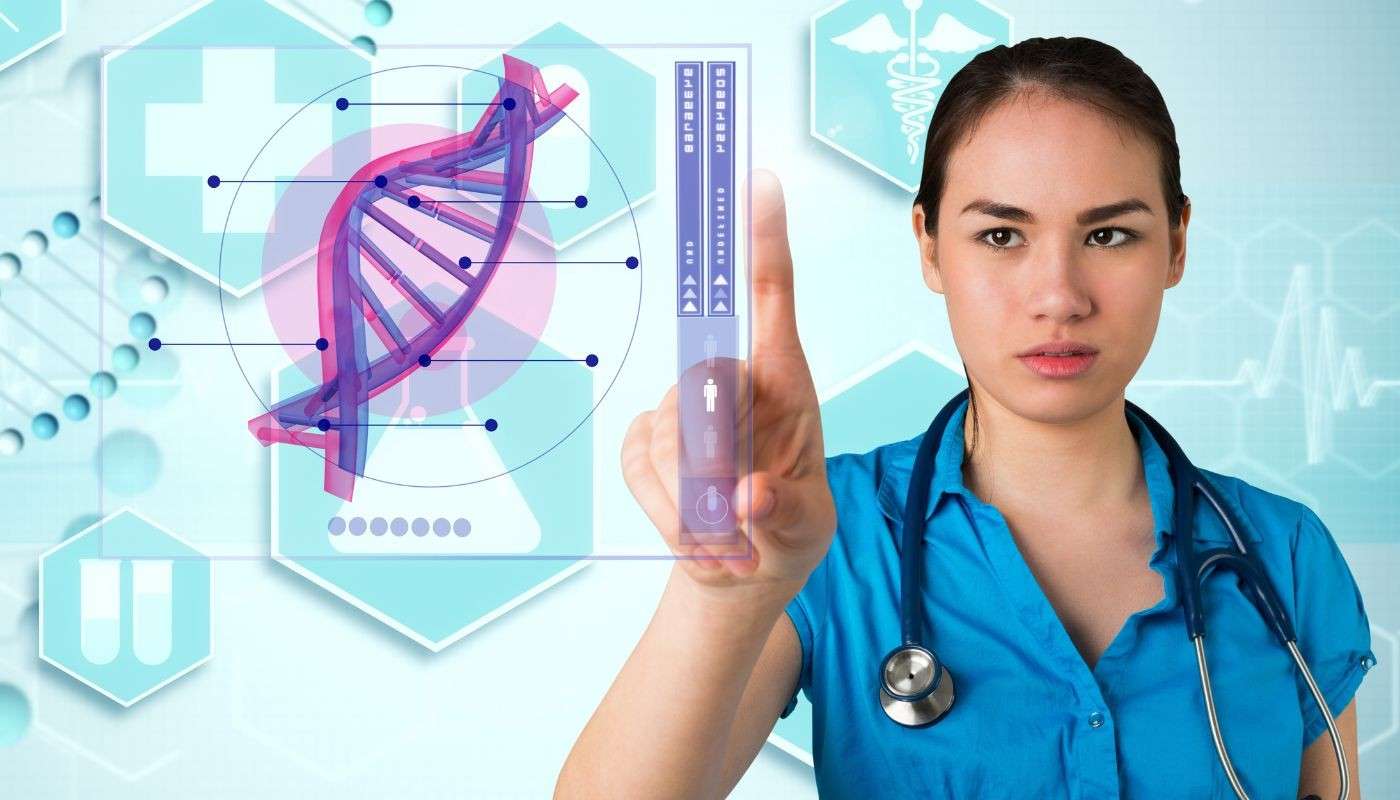
The stem cell definition encompasses cells with two distinctive characteristics: self-renewal capacity and differentiation potential. These remarkable biological units can divide indefinitely while maintaining their undifferentiated state, and they possess the extraordinary ability to transform into specialised cell types when triggered by specific biological signals¹.
From a stem cell level biology perspective, these cells function as the body’s internal repair system. They continuously divide and differentiate to replace damaged or dying cells throughout an individual’s lifetime. This regenerative capacity makes them invaluable for maintaining tissue homeostasis and supporting the body’s natural healing processes.
The stem cell has these key properties:
- Self-renewal: Ability to divide and produce identical copies of themselves
- Potency: Capacity to differentiate into various specialised cell types
- Plasticity: Flexibility to adapt their differentiation pathway based on environmental cues
- Longevity: Capability to remain viable for extended periods in appropriate conditions
Responsiveness: Ability to respond to injury signals and migrate to damaged tissues
Stem Cell Therapy and Modern Medicine

Stem cell therapy represents a revolutionary medical approach that harnesses these natural properties to treat diseases and injuries. This therapeutic strategy involves introducing stem cells into damaged tissues or organs to promote healing, reduce inflammation, and restore normal function. The therapy’s success depends on the cells’ ability to integrate with existing tissues and differentiate into the specific cell types needed for repair.
Modern stem cell therapy applications extend across numerous medical specialties, from orthopedics and cardiology to neurology and ophthalmology. Research indicates that stem cell treatments could potentially address over 80 different medical conditions, offering hope for millions of patients worldwide².
Types of Stem Cells: From Embryonic to Adult Varieties
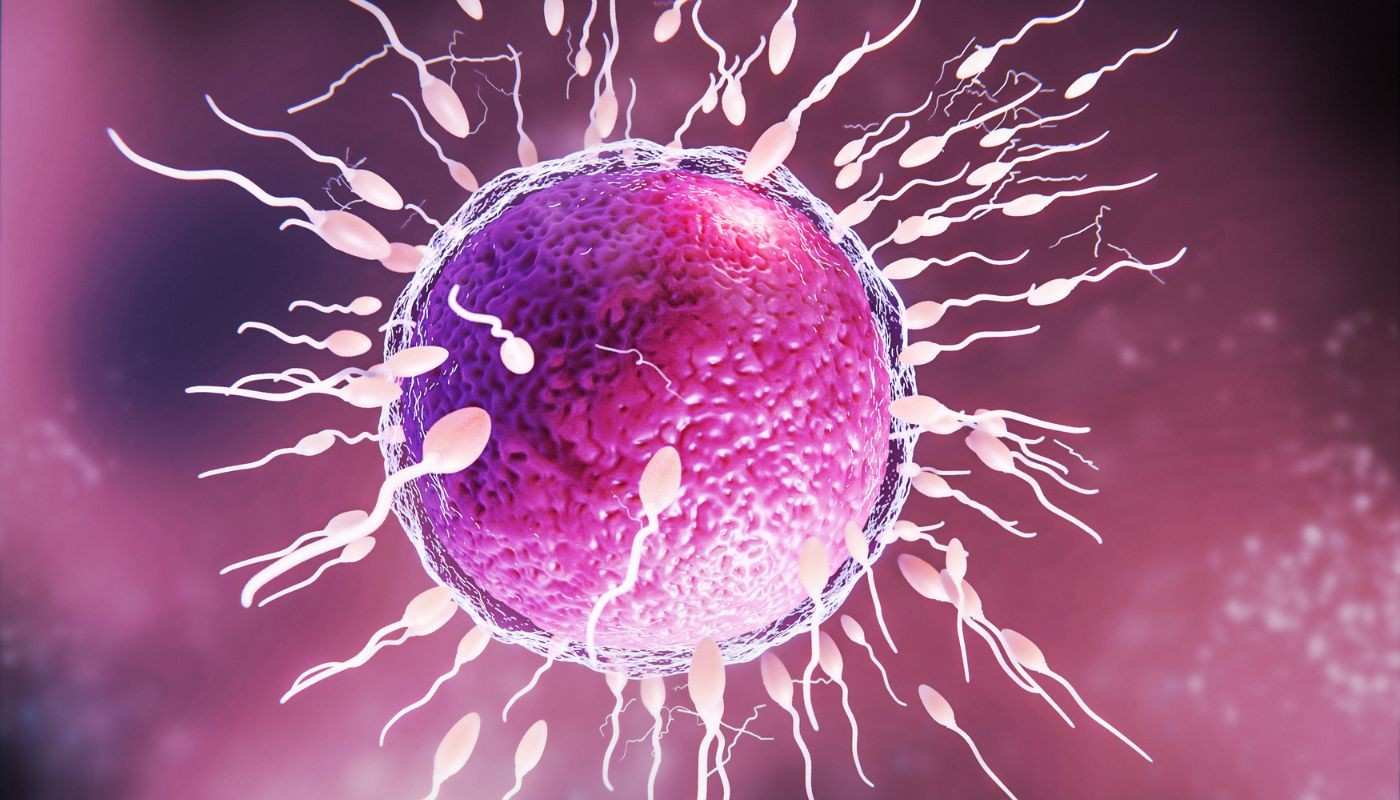
Understanding different stem cell classifications helps clarify their therapeutic potential and applications.
Embryonic Stem Cells
The embryonic stem cell refers to pluripotent cells derived from early-stage embryos, typically 3-5 days after fertilisation. These cells possess the remarkable ability to differentiate into any cell type found in the human body, making them invaluable for research and potential therapeutic applications. Embryonic stem cells exhibit unlimited self-renewal capacity and maintain their pluripotent state when cultured under appropriate conditions. However, their use in clinical applications remains controversial due to ethical considerations surrounding embryo destruction during the harvesting process.
Somatic Stem Cells
Adult stem cells, also called, exist throughout the human body in various tissues and organs. Unlike embryonic varieties, adult stem cells typically demonstrate limited differentiation potential, usually restricted to cell types within their tissue of origin. Common sources include bone marrow, adipose tissue, blood, skin, and dental pulp.
Induced Pluripotent Stem Cells
Induced pluripotent stem cells (iPSCs) represent a groundbreaking scientific advancement that addresses ethical concerns while maintaining therapeutic potential. These cells are created by reprogramming adult cells back to an embryonic-like state, combining the benefits of pluripotency with ethical acceptability.
More Stem Cell Types include:
- Totipotent cells: Can develop into any cell type, including extraembryonic tissues
- Pluripotent cells: Can differentiate into any of the three germ layers
- Multipotent cells: Limited to specific lineages within particular tissues
- Oligopotent cells: Can differentiate into only a few closely related cell types
- Unipotent cells: Can only produce one specific cell type
Stem Cell Collection and Stem Cell Preservation Methods
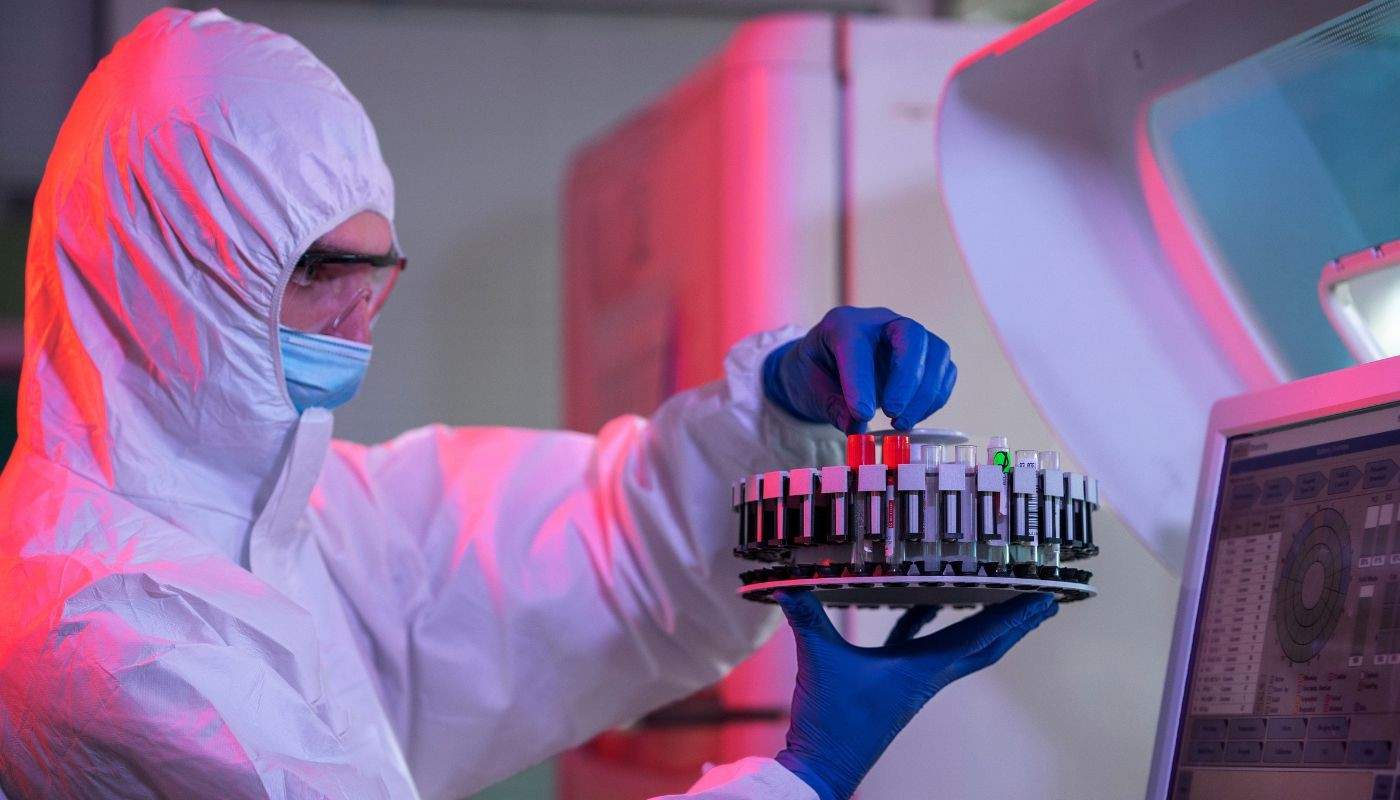
Stem cell collection encompasses various techniques used to harvest stem cells from different sources for therapeutic or research purposes. Collection methods vary significantly depending on the cell source, intended application, and patient-specific factors. Understanding these processes helps patients make informed decisions about potential treatments.
Bone Marrow Collection
Bone marrow collection represents one of the most established harvesting methods. This procedure involves extracting bone marrow from the patient’s hip bone using a specialised needle under local or general anesthesia. The collected marrow contains hematopoietic stem cells capable of producing all blood cell types.
Peripheral Blood Stem Cell Collection
Peripheral blood stem cell collection utilises apheresis technology to separate stem cells from circulating blood. This method requires prior mobilisation using growth factors to encourage stem cells to leave the bone marrow and enter the bloodstream. The process typically takes several hours and may require multiple sessions to collect sufficient cells.
Adipose Tissue Collection
Adipose tissue collection offers a minimally invasive alternative for obtaining mesenchymal stem cells. This procedure involves liposuction techniques to harvest fat tissue, which contains a rich population of stem cells with regenerative potential for various applications.
The stem cell preservation refers to specialised storage techniques designed to maintain cell viability and functionality for extended periods.
Cryopreservation represents the gold standard for long-term stem cell storage, involving controlled freezing processes that protect cellular integrity while preventing ice crystal formation.
- Cryoprotectant solutions: Specialised chemicals that prevent cellular damage during freezing
- Controlled-rate freezing: Gradual temperature reduction to minimise thermal shock
- Liquid nitrogen storage: Ultra-low temperature maintenance at -196°C
- Quality control testing: Regular viability assessments and contamination screening
- Documentation systems: Comprehensive tracking and inventory management protocols
Proper preservation techniques ensure that stem cells remain viable for decades, providing patients with future therapeutic options as medical technology advances. Research demonstrates that properly preserved stem cells can maintain their regenerative capacity for over 20 years³.
Stem Cell Treatment Applications and Clinical Uses

Cell stem treatment encompasses a broad spectrum of medical applications designed to harness the regenerative potential of stem cells for treating various conditions. Current clinical applications demonstrate remarkable success in treating blood disorders, immune system deficiencies, and certain types of cancer through established protocols.
Treating Leukemia, Lymphoma, and Other Blood-related Disorders
Hematopoietic stem cell treatments have shown exceptional efficacy in treating leukemia, lymphoma, and other blood-related disorders. These treatments involve replacing damaged bone marrow with healthy stem cells that can regenerate the entire blood and immune system. Success rates for certain conditions exceed 80% when appropriate donor matches are available⁴.
Treating Osteoarthritis, Tendon Injuries, and Bone Fractures
Orthopedic applications of stem cell treatment focus on repairing damaged cartilage, bones, and soft tissues. Mesenchymal stem cells derived from bone marrow or adipose tissue show promise in treating osteoarthritis, tendon injuries, and bone fractures that fail to heal through conventional methods.
Severe Cardiac Conditions
Cardiac stem cell treatments aim to repair heart muscle damaged by heart attacks or heart failure. Early clinical trials suggest that stem cell injections can improve heart function and reduce symptoms in patients with severe cardiac conditions, though long-term outcomes require further study.
Spinal Cord Injury, Parkinson’s Disease, Multiple Sclerosis, Stroke and more.
Neurological applications represent one of the most promising frontiers in stem cell treatment. Research indicates potential benefits for treating spinal cord injuries, Parkinson’s disease, multiple sclerosis, and stroke recovery. However, most neurological applications remain in experimental phases requiring additional clinical validation.
- Autoimmune disease treatment: Using stem cells to reset dysfunctional immune systems
- Tissue engineering applications: Creating replacement organs and tissues in laboratories
- Age-related condition management: Addressing degenerative diseases associated with ageing
- Wound healing enhancement: Accelerating recovery from severe burns and chronic wounds
Vision restoration research: Developing treatments for macular degeneration and blindness
Stem Cell Transplant Procedures and Protocols
Stem cell transplant procedures represent sophisticated medical interventions that require careful patient selection, donor matching, and comprehensive support systems. These complex treatments involve replacing damaged or diseased cells with healthy stem cells capable of regenerating affected tissues or organ systems.
Autologous Transplants
Autologous transplants utilise the patient’s own stem cells, eliminating concerns about immune rejection while providing the safest transplant option. This approach requires harvesting and preserving healthy stem cells before intensive treatments that might damage the patient’s existing stem cell populations.
Allogeneic Transplants
Allogeneic transplants involve stem cells from genetically matched donors, typically family members or unrelated volunteers from stem cell registries. These procedures require extensive compatibility testing to minimise rejection risks and maximise treatment success rates.
Pre-transplant conditioning regimens prepare patients by eliminating diseased cells and suppressing immune systems to facilitate successful engraftment. These intensive treatments may include high-dose chemotherapy, radiation therapy, or immunosuppressive medications tailored to specific conditions and patient characteristics.
Post-transplant care involves monitoring for complications such as graft-versus-host disease, infections, and organ toxicity. Success depends on comprehensive medical support, including specialised facilities, experienced medical teams, and long-term follow-up protocols.
The transplant process typically requires hospitalisation periods ranging from several weeks to months, depending on the specific procedure and patient recovery patterns. Success rates vary significantly based on factors including patient age, disease type, donor compatibility, and overall health status.
Benefits and Limitations of Stem Cell Medicine

Stem cell medicine offers unprecedented therapeutic potential while facing significant scientific and practical challenges. Understanding both advantages and limitations helps patients and healthcare providers make informed decisions about treatment options and realistic expectations for outcomes.
Primary benefits include the potential for tissue regeneration, reduced inflammation, and restoration of normal organ function in conditions previously considered untreatable. Stem cells’ natural healing properties can address root causes of diseases rather than merely managing symptoms.
The personalised medicine aspect of stem cell therapy allows treatments tailored to individual patient needs and genetic profiles. This precision approach may improve treatment efficacy while reducing adverse effects compared to traditional pharmaceutical interventions.
However, significant limitations exist, including incomplete understanding of long-term effects, potential for tumor formation, and challenges in controlling cellular behavior after transplantation. Research continues to address these concerns through improved cell processing techniques and enhanced safety protocols.
- Regulatory challenges: Stringent approval processes that limit treatment availability
- Cost considerations: Expensive procedures with limited insurance coverage
- Technical complexity: Requirements for specialised facilities and expertise
- Ethical debates: Ongoing discussions about embryonic stem cell research and applications
- Variable outcomes: Inconsistent results across different patients and conditions
Current research focuses on improving cell delivery methods, enhancing engraftment success rates, and developing standardised protocols that ensure consistent therapeutic outcomes. Scientists estimate that stem cell medicine could revolutionise treatment approaches for over 100 medical conditions within the next decade⁵.
Future Directions and Research Developments

The field of stem cell research continues advancing rapidly, with emerging technologies promising to overcome current limitations while expanding therapeutic applications. Gene editing techniques like CRISPR-Cas9 enable scientists to correct genetic defects in stem cells before transplantation, potentially curing inherited diseases at the cellular level.
Tissue engineering combines stem cells with biomaterial scaffolds to create functional organs and tissues for transplantation. This approach could address organ shortages while eliminating rejection risks associated with traditional organ transplants.
Manufacturing advances aim to develop standardised, cost-effective production methods for clinical-grade stem cells. These improvements could make treatments more accessible while ensuring consistent quality and safety standards across different medical facilities.
Summing up
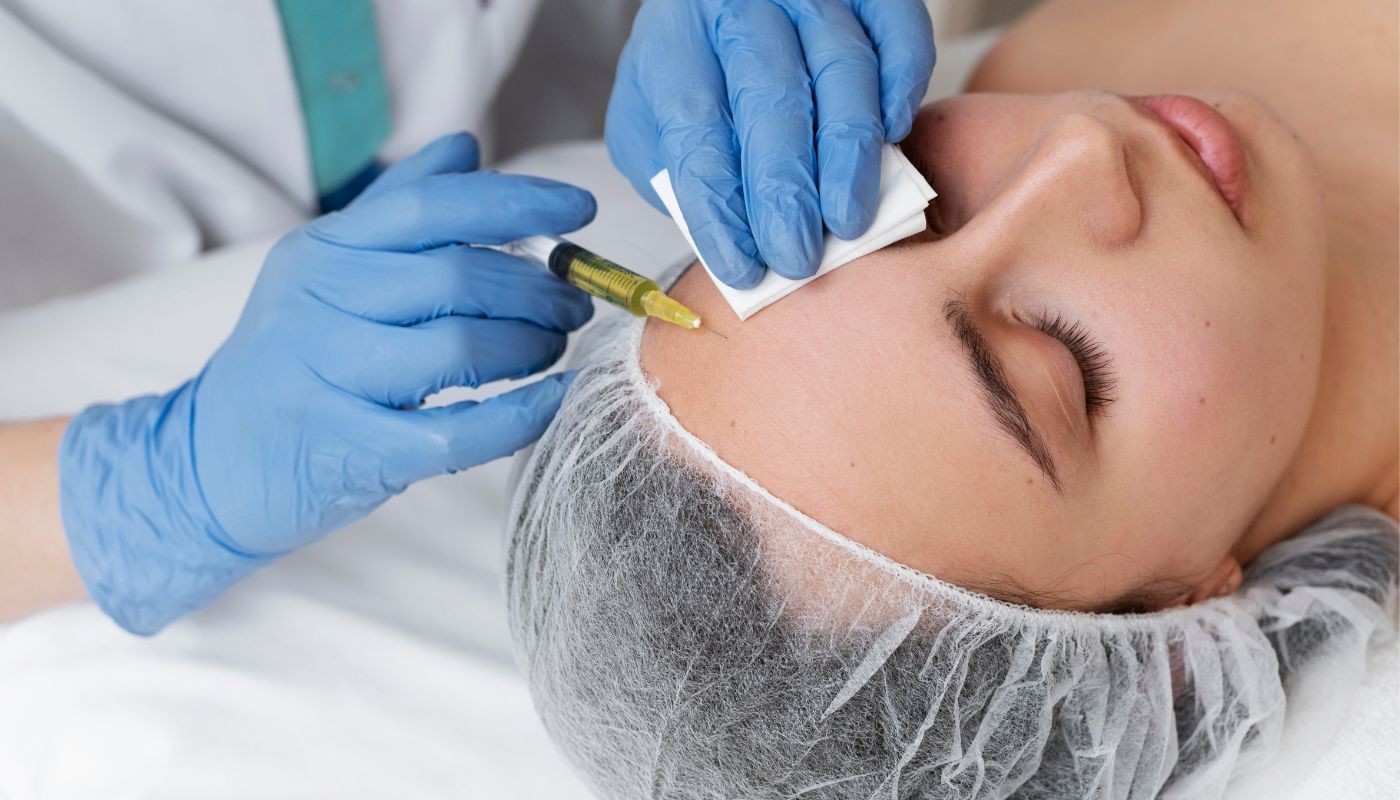
Understanding stem cell meaning provides insight into one of medicine’s most promising therapeutic frontiers. These remarkable cells offer hope for treating previously incurable conditions while challenging our understanding of healing and regeneration. As research continues advancing, stem cell medicine may become a cornerstone of modern healthcare, offering personalised treatments that harness the body’s natural healing capabilities.
The journey from laboratory research to clinical application requires continued scientific investigation, regulatory oversight, and ethical consideration. However, the potential benefits for human health and quality of life make stem cell research one of the most important medical endeavors of our time.
For individuals considering stem cell treatments, consultation with qualified medical professionals remains essential. As this field continues evolving, staying informed about developments and maintaining realistic expectations will help patients navigate the complex landscape of regenerative medicine.
References:
- National Institute of Health. (2023). Stem Cell Basics. NIH Stem Cell Information Home Page.
- International Society for Stem Cell Research. (2023). Clinical Applications of Stem Cell Research: Current Status and Future Prospects.
- Journal of Cryobiology and Preservation. (2022). Long-term Viability of Cryopreserved Stem Cells: A 20-Year Follow-up Study.
- Blood and Marrow Transplant Clinical Trials Network. (2023). Outcomes of Hematopoietic Stem Cell Transplantation: Five-Year Analysis.
- Nature Medicine. (2023). The Future of Stem Cell Medicine: Emerging Applications and Technological Advances.