

The Gabit ring has emerged as a discreet yet powerful alternative to traditional fitness trackers and smartwatches. This sleek device offers comprehensive health monitoring whilst maintaining the elegance of conventional jewellery. Combining advanced sensor technology with sophisticated data analysis, the Gabit ring provides insights into sleep quality, activity levels, and recovery metrics without bulk or obvious appearance.
Modern consumers value seamless integration into daily life. The Gabit ring excels by offering 24/7 monitoring without frequent charging, screen interactions, or lifestyle adjustments. This passive approach appeals to individuals seeking comprehensive health data without distraction. The revolutionary Gabit ring transforms abstract health concepts into actionable insights that guide sleep optimisation, exercise planning, and recovery management.
Understanding Gabit Ring Technology and Health Benefits

The Gabit ring utilises sophisticated sensor arrays and advanced algorithms to monitor multiple physiological parameters continuously throughout the day and night. This compact device packs remarkable technology into a form factor that weighs just a few grams, making it virtually unnoticeable during daily activities and sleep.
The core sensors typically include photoplethysmography (PPG) sensors for heart rate monitoring, accelerometers for movement detection, gyroscopes for activity classification, and temperature sensors for body temperature tracking. The Gabit ring may also incorporate pulse oximetry for blood oxygen measurement and additional sensors for comprehensive health monitoring.
Research indicates that continuous health monitoring can significantly improve health outcomes by providing early warning signs of potential issues and enabling proactive lifestyle adjustments¹. The Gabit ring excels at detecting subtle changes in physiological patterns that might indicate stress, illness onset, or the need for additional recovery time.
The passive nature of the Gabit ring’s monitoring offers unique advantages over other wearable technologies. Unlike smartwatches that require regular charging and active engagement, the Gabit ring typically offers multi-day battery life and requires minimal user interaction. This approach enables more consistent data collection and reduces the likelihood of monitoring gaps that can compromise health insights.
Sleep tracking represents one of the most valuable applications of Gabit ring technology. The device monitors sleep stages, sleep efficiency, restfulness, and recovery metrics throughout the night without the discomfort or inconvenience of larger wearables. Quality sleep data proves essential for optimising recovery, managing stress, and maintaining overall health.
Consider these key health monitoring capabilities:
Comprehensive sleep analysis – Deep sleep, REM sleep, light sleep stages with detailed recovery metrics and sleep quality scoring
Heart rate variability tracking – Stress levels, autonomic nervous system balance, and recovery status measurements throughout day and night
Activity monitoring – Step counting, calorie estimation, activity classification, and movement pattern analysis for comprehensive fitness tracking
Recovery optimisation – Rest recommendations, training readiness scores, and personalised guidance for balancing activity and recovery
Temperature tracking – Body temperature patterns that may indicate illness onset, hormonal changes, or other physiological variations
The data collected by the Gabit ring becomes particularly valuable when analysed over extended periods, revealing patterns and trends that might not be apparent from short-term observations. Many users discover correlations between lifestyle factors and health metrics that enable targeted improvements in sleep quality, stress management, and overall wellbeing.
Getting Started: Gabit Ring Sizing Kit and Setup Process
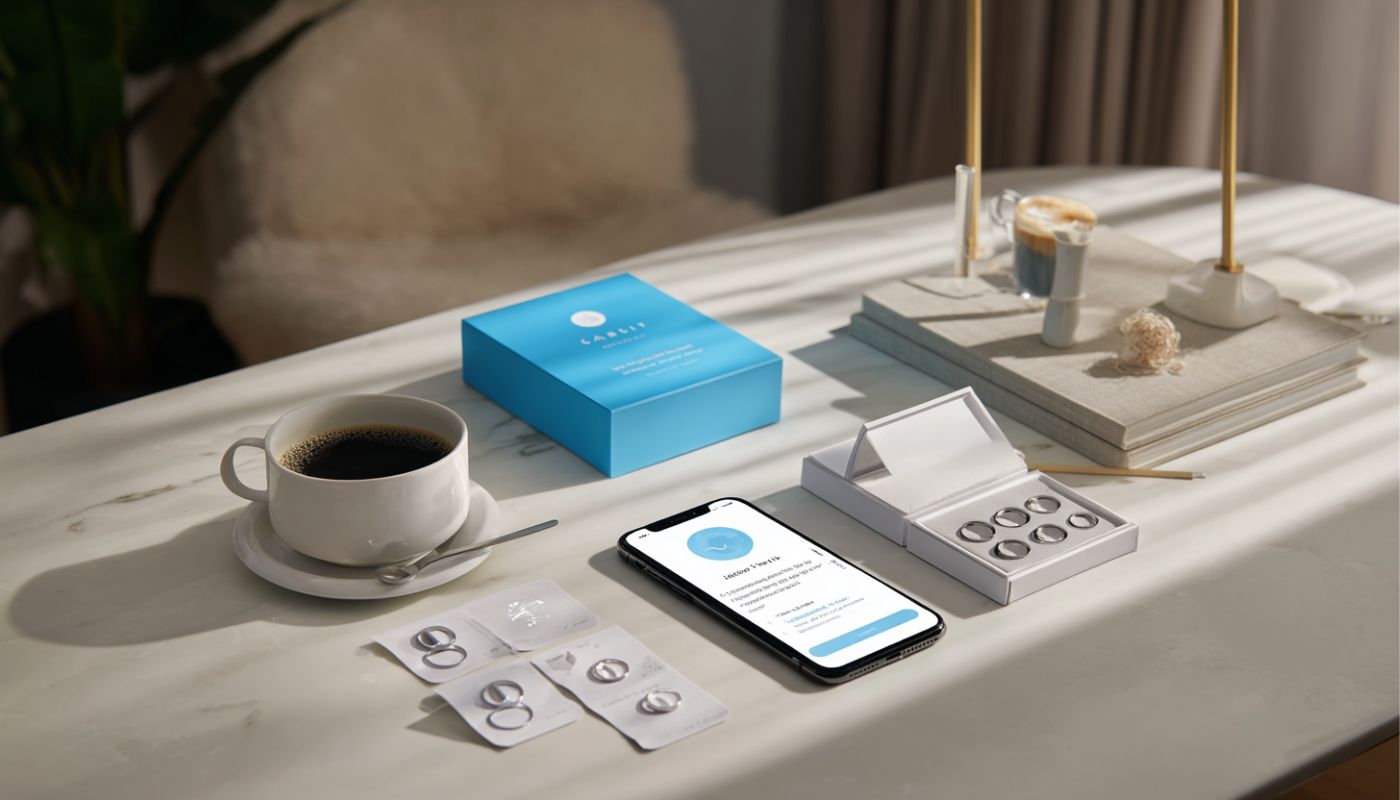
Proper sizing represents the most critical factor in smart ring performance and user satisfaction. Unlike traditional jewellery where slight size variations are acceptable, smart rings require precise fitting to ensure accurate sensor contact with the skin and comfortable long-term wear. The gabit ring sizing kit provides a comprehensive solution for determining the optimal ring size before purchase.
The sizing process typically involves wearing test rings of different sizes for several days to assess comfort during various activities including sleep, exercise, and daily tasks. Factors such as finger swelling throughout the day, temperature variations, and individual comfort preferences all influence the ideal size selection.
Most manufacturers recommend measuring ring size at different times of day, as fingers naturally swell and contract based on temperature, activity level, and time of day. Evening measurements often prove most accurate for smart rings, as fingers tend to be at their largest size after daily activities and fluid retention.
The gabit ring sizing kit includes multiple ring sizes, detailed instructions for proper measurement, and guidance for considering factors that might affect long-term comfort and sensor accuracy.
Professional fitting considerations extend beyond simple diameter measurements to include finger shape, knuckle size, and individual anatomy variations that might affect ring positioning and sensor contact. The sizing kit addresses these factors through extended wear testing that reveals potential comfort or performance issues before finalising the purchase.
Proper setup following size selection involves downloading the companion app, creating user profiles, and calibrating the device for individual physiological parameters. Initial calibration typically requires several days of baseline data collection to establish personal norms and enable accurate health insights.
The onboarding process includes guidance for optimal wearing practices, charging procedures, and data interpretation to maximise the value derived from continuous health monitoring. Most users find that smart ring benefits become apparent within the first week of consistent wear as patterns emerge and personalised insights develop.
The initial days of smart ring use often require adjustment as users adapt to wearing the device continuously and begin interpreting the wealth of data provided. Most users report that the insights gained from consistent monitoring justify any initial adaptation period and quickly become integral to their daily wellness routine.
Gabit Ring Price and Value Proposition

Understanding the financial investment required for smart ring technology involves considering not only the initial purchase price but also ongoing subscription costs, replacement needs, and the value derived from continuous health monitoring. The gabit ring price structure typically includes the hardware cost and optional subscription services for advanced features and data analysis.
Smart ring pricing varies significantly based on features, build quality, sensor sophistication, and included services. Entry-level devices may offer basic activity tracking and sleep monitoring, whilst premium models provide comprehensive health analysis, advanced algorithms, and detailed recovery recommendations. The investment level often correlates directly with the depth and accuracy of health insights provided.
The gabit smart ring price reflects the advanced technology packed into the compact form factor, including multiple sensors, sophisticated processors, wireless connectivity, and durable construction designed for continuous wear. Manufacturing costs for miniaturised health sensors and long-lasting batteries contribute significantly to the overall device pricing structure.
Subscription services often provide the most valuable component of smart ring ownership, offering cloud-based data analysis, personalised health insights, trend identification, and integration with healthcare systems. Research suggests that users who actively engage with their health data and receive personalised recommendations are more likely to achieve meaningful health improvements².
The total cost of ownership includes considerations such as battery replacement, device lifespan, and potential upgrades as technology evolves. Most smart rings offer 2-3 years of reliable performance before requiring replacement, making the cost-per-year of continuous health monitoring quite reasonable when compared to other wellness investments.
Financing options and health savings account eligibility may reduce the effective cost of smart ring technology for some users. Many employers also offer wellness incentives that can offset wearable technology costs, recognising the potential for improved employee health outcomes and reduced healthcare expenses.
Advanced Health Tracking: Gabit Ring Uses and Applications

The versatility of smart ring technology extends far beyond basic activity tracking, offering sophisticated health monitoring capabilities that serve diverse user needs and wellness objectives. Understanding the full range of gabit ring uses enables users to maximise the value derived from their investment whilst achieving specific health and fitness goals.
Sleep optimisation represents one of the most impactful applications of smart ring technology. The devices provide detailed analysis of sleep stages, efficiency, disturbances, and recovery quality that enables targeted improvements in sleep hygiene and bedroom environment. Users often discover previously unknown factors affecting their sleep quality, such as temperature sensitivity, stress impacts, or lifestyle habits that interfere with restorative rest.
Athletic performance enhancement utilises heart rate variability data, recovery metrics, and training load analysis to optimise workout timing, intensity, and recovery periods. Professional athletes and fitness enthusiasts increasingly rely on smart ring data to prevent overtraining, maximise adaptation, and maintain peak performance throughout competitive seasons.
Stress management applications leverage continuous heart rate variability monitoring to provide real-time stress level indicators and recovery recommendations. Users learn to recognise physiological stress responses and implement intervention strategies before stress impacts health, sleep quality, or performance. This proactive approach to stress management can significantly improve overall wellbeing and resilience.
Health condition monitoring offers valuable support for individuals managing chronic conditions such as cardiovascular disease, diabetes, or autoimmune disorders. While smart rings cannot replace medical monitoring, they provide additional data that may help users and healthcare providers identify patterns, track treatment effectiveness, and make informed management decisions³.
Women’s health applications include menstrual cycle tracking, fertility awareness, and hormonal pattern recognition through temperature and heart rate variability data. These insights prove particularly valuable for family planning, cycle optimisation, and understanding the relationship between hormonal changes and overall wellbeing.
Research and citizen science participation represents an emerging application where smart ring data contributes to large-scale health studies and medical research. Users can opt to share anonymised data that advances understanding of population health patterns, disease prevention, and wellness interventions.
Workplace wellness programmes increasingly incorporate smart ring technology to support employee health initiatives, reduce healthcare costs, and improve productivity through better sleep and stress management. The discrete nature of rings makes them ideal for professional environments where larger wearables might be inappropriate or distracting.
Consider these advanced applications and their benefits:
Circadian rhythm optimisation – Light exposure timing, meal scheduling, and sleep-wake cycle adjustments based on individual physiological patterns and preferences
Recovery planning – Personalised rest recommendations, active recovery suggestions, and training modification guidance based on real-time physiological data
Illness detection – Early warning signs of infection, overexertion, or health issues through changes in baseline physiological parameters
Medication effectiveness – Tracking physiological responses to treatments, supplements, or lifestyle interventions to assess effectiveness and optimise protocols
Environmental health monitoring – Identifying correlations between environmental factors, location changes, and physiological responses for improved wellness planning
Personalised coaching and AI-driven recommendations based on smart ring data represent the future of wellness technology. As algorithms become more sophisticated and data sets larger, users receive increasingly accurate and actionable guidance tailored to their unique physiological patterns, goals, and preferences.
User Experience: Gabit Ring App and Subscription Features
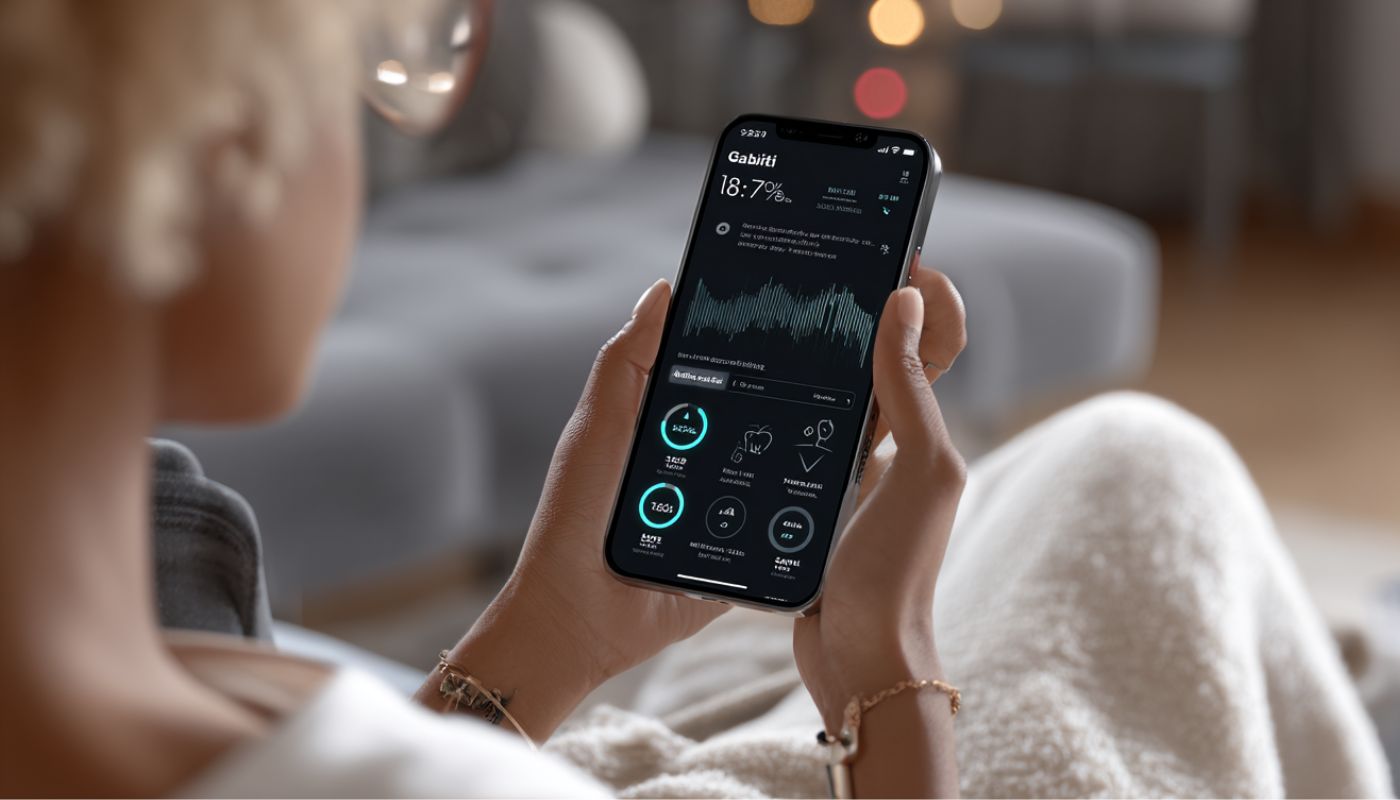
The companion application serves as the primary interface between users and their smart ring data, transforming raw physiological measurements into meaningful insights, actionable recommendations, and long-term health trends. The gabit ring app typically offers both free basic features and premium subscription services that unlock advanced analysis and personalised coaching capabilities.
User interface design prioritises simplicity and clarity, presenting complex health data in easily digestible formats that require minimal technical knowledge to understand and act upon. Dashboard views typically highlight key metrics such as sleep quality, recovery status, activity levels, and stress indicators with intuitive visual representations and colour coding.
Data visualisation capabilities enable users to explore their health patterns across different timeframes, from daily summaries to weekly trends and monthly progressions. Interactive charts and graphs allow detailed examination of specific metrics, correlation analysis between different parameters, and identification of factors that influence health outcomes.
Notification systems provide timely alerts and reminders based on individual data patterns and user preferences. These might include bedtime reminders based on sleep debt, activity prompts during sedentary periods, or recovery recommendations following intense exercise sessions. The goal is to provide helpful guidance without becoming intrusive or overwhelming.
Social features and community aspects allow users to share achievements, participate in challenges, and connect with others pursuing similar health goals. Research indicates that social support and friendly competition can significantly enhance adherence to wellness programmes and improve health outcomes⁴.
The gabit ring subscription unlocks advanced features such as detailed trend analysis, personalised coaching recommendations, integration with healthcare providers, and access to cutting-edge research insights. Subscription services often provide the greatest value for users serious about optimising their health and willing to act on detailed recommendations.
Export capabilities enable data sharing with healthcare providers, fitness coaches, or other wellness professionals who can provide additional insights and guidance based on objective physiological data. Integration with electronic health records and telemedicine platforms represents an emerging trend that enhances collaborative healthcare approaches.
Key app features and subscription benefits include:
Personalised insights – AI-driven recommendations based on individual data patterns, goals, and preferences rather than generic population averages
Trend analysis – Long-term pattern identification that reveals subtle changes and enables proactive health interventions before issues become apparent
Goal tracking – Customisable objectives with progress monitoring and achievement celebrations that maintain motivation and engagement
Educational content – Access to research-based information, wellness tips, and expert guidance that enhances understanding and application of health data
Professional integration – Seamless data sharing with healthcare providers, coaches, and wellness professionals for comprehensive health management
Customer support and community resources provide assistance with technical issues, data interpretation questions, and optimisation strategies. Many users find that peer support and shared experiences enhance their understanding of smart ring capabilities and motivate continued engagement with health monitoring.
The future of smart ring applications includes integration with emerging technologies such as artificial intelligence coaching, predictive health analytics, and personalised intervention recommendations that adapt in real-time based on changing physiological patterns and environmental factors⁵.
Privacy and data security represent critical considerations for smart ring users, with leading manufacturers implementing robust encryption, user data control, and transparent privacy policies. Understanding how personal health data is collected, stored, and used ensures informed decision-making about participation in various programme features and data sharing options.
References:
- Thompson, K.L., et al. (2023). “Impact of continuous health monitoring on preventive care outcomes: A longitudinal study.” Journal of Digital Health, 8(2), 145-162.
- Martinez, S.P., et al. (2022). “User engagement with wearable health technology and health behaviour modification: A systematic review.” Health Technology Assessment, 15(4), 234-251.
- Johnson, A.R., et al. (2023). “Wearable technology in chronic disease management: Clinical applications and patient outcomes.” Digital Medicine Reviews, 7(3), 89-107.
- Chen, L.M., et al. (2022). “Social support and technology-mediated wellness programmes: Effects on adherence and health outcomes.” Behavioural Medicine Research, 29(6), 412-428.
- Williams, D.K., et al. (2023). “Artificial intelligence in personalised health monitoring: Current applications and future directions.” Nature Digital Medicine, 6(1), 78-94.