

Meditation Types: Find Your Perfect
Match for Stress, Sleep and Focus
Home » Wellness » Meditation » Meditation Types
The world of contemplative practice offers an extraordinary diversity of approaches, with researchers identifying over 50 distinct meditation types practiced across different cultures and traditions¹. This rich tapestry of techniques ensures that everyone can find methods suited to their unique personality, goals, and lifestyle preferences, making meditation accessible regardless of background or experience level.
Modern neuroscience has revealed that different meditation approaches activate distinct neural networks and produce varying psychological benefits.
A comprehensive study published in Psychological Science demonstrates that concentration-based practices enhance sustained attention, while mindfulness approaches improve cognitive flexibility and emotional regulation². Understanding these differences empowers practitioners to select techniques that align with their specific wellness objectives.
This comprehensive guide explores the vast landscape of meditation techniques, from foundational practices perfect for beginners to specialised approaches designed for specific outcomes like stress relief, improved sleep, and enhanced focus. By understanding the unique characteristics and benefits of different meditation types, you can build a personalised practice that supports your individual wellness goals and lifestyle needs.
17 Types of Meditation For Calmness and Healing

The landscape of meditation encompasses numerous approaches that can be organised into several major categories, each offering unique pathways to inner peace and self-discovery.
Mindfulness
1. Mindfulness-based Meditation Approach
Mindfulness-based approaches emphasise open, non-judgmental awareness of present-moment experience. Rather than concentrating on one specific object, practitioners observe whatever arises in consciousness – thoughts, emotions, physical sensations – without attempting to change or control these experiences. This acceptance-based approach develops emotional resilience and psychological flexibility.
2. Vipassana or insight meditation
Vipassana involves systematic observation of mental and physical processes to develop understanding of the impermanent, interconnected nature of experience. This approach combines concentration with analytical awareness to generate wisdom and psychological freedom.
Concentration & Focus
3. Concentration-based Meditation Practice
Concentration practices involve focusing attention on a single object, thought, or sensation, developing the ability to maintain sustained, stable awareness. These techniques form the foundation for more advanced practices while providing immediate benefits for stress reduction and mental clarity.
4. Trataka, or Gazing meditation
It involves focusing on a single point, such as a candle flame or an object, to cultivate concentration and clear the mind. This practice enhances mental clarity, improves focus, and calms the nervous system.
5. Mantra Meditation
Mantra meditation uses repetitive sounds, words, or phrases to focus attention while generating specific vibrational effects. Different mantras are believed to produce various psychological and spiritual benefits, from calming anxiety to enhancing spiritual connection.
Movement
6. Movement-based Meditation
Movement-based meditation integrates contemplative awareness with physical activity, recognising that stillness can be cultivated within motion. These practices appeal particularly to individuals who find seated meditation challenging or prefer more dynamic approaches to inner development. Walking meditation, tai chi, and mindful yoga exemplify this category.
Devotional & Heart-Centered
7. Heart-centred Meditation Practices
Heart-centered practices focus on cultivating positive emotional states like love, compassion, and gratitude. These techniques balance the mental training aspects of meditation with emotional and social development, creating more integrated approaches to personal growth that enhance both individual wellbeing and interpersonal relationships.
8. Loving-Kindness Meditation
Loving-kindness meditation systematically cultivates feelings of love and compassion, beginning with oneself and gradually extending these positive emotions to loved ones, neutral individuals, difficult people, and eventually all beings. Research shows this practice increases positive emotions, social connectedness, and empathy while reducing implicit bias3.
9. Prayer meditation
Prayer Meditation integrates contemplative practice with religious or spiritual devotion, using sacred texts, divine names, or spiritual concepts as meditation objects. This approach appeals particularly to individuals seeking to deepen their spiritual connection while developing contemplative skills.
Transcendental & Mantra Practices
10. Transcendental Meditation
This type of meditation uses personalized mantras repeated silently while sitting comfortably with eyes closed. This technique emphasizes effortless practice, allowing thoughts to come and go naturally while gently returning to the mantra when awareness drifts. Practitioners report accessing deep states of rest and relaxation.
11. Nada Yoga
Nada Yoga is a meditation practice that involves focusing on sound, either external sounds like music and chants or internal sounds such as inner vibrations. This practice helps harmonies the body and mind, promoting deep inner peace and heightened awareness.
Visualization
12. Visualization meditation
It involves creating and maintaining mental images, often of peaceful scenes, spiritual figures, or symbolic representations. This technique develops imagination while promoting relaxation and can be particularly effective for individuals who respond well to visual stimulation and creative approaches.
Inquiry & Awareness Practices
13. Zen meditation
Zen Meditation emphasises “just sitting” with minimal technique, developing the ability to rest in pure awareness without specific objects of concentration. This approach cultivates naturalness and spontaneity while requiring significant experience with more structured practices as preparation.
14. Inquiry-based Meditation Methods
Inquiry-based methods use questions or self-reflection to investigate the nature of consciousness, identity, and reality. These approaches appeal to intellectually oriented practitioners who prefer conceptual frameworks while still developing direct experiential understanding through sustained contemplative investigation.
Body-centering
15. Body-based meditation
Body-based meditation focuses primarily on physical sensations, breath, and embodied awareness. These techniques ground consciousness in immediate physical experience while developing the capacity to remain present with whatever sensations arise, pleasant or unpleasant.
16. Progressive Muscle Relaxation
It involves systematically tensing and then releasing muscle groups to promote physical and mental relaxation. This technique helps reduce stress, alleviate tension, and improve overall body awareness.
17. Kundalini Meditation:
Kundalini Meditation focuses on awakening the dormant spiritual energy at the base of the spine through breathwork, mantra, and visualisation. This practice aims to elevate consciousness and promote a deep sense of inner transformation and spiritual awakening.
Meditation Techniques for Stress Relief and Relaxation
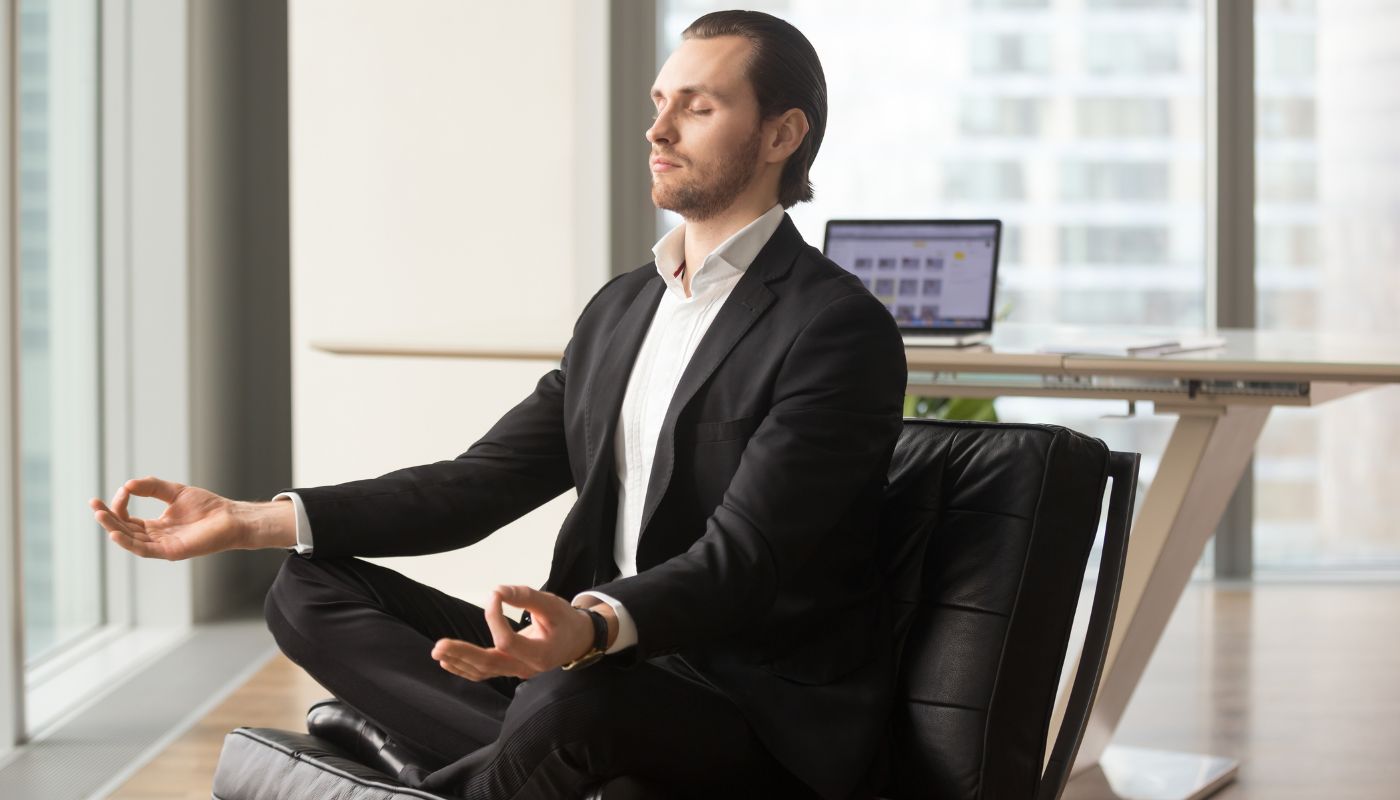
Stress reduction represents one of meditation’s most extensively researched benefits, with numerous techniques specifically designed to activate the body’s relaxation response and counteract the physiological effects of chronic stress. Here’s a step-by-step approach for stress reduction through meditation:
Step 1: Choose Your Environment
- Find a quiet space where you won’t be interrupted
- Sit comfortably or lie down in a supportive position
- Dim harsh lighting and remove distractions
- Set a timer for 5-20 minutes (start shorter for beginners)
Step 2: Select Your Technique
For Physical Tension Relief:
- Start with progressive muscle relaxation
- Tense each muscle group for 5 seconds, then release
- Begin with toes, work upward through legs, torso, arms, and face
- Notice the contrast between tension and relaxation
For Immediate Calm:
- Use deep abdominal breathing
- Inhale slowly through nose for 4 counts
- Hold breath for 4 counts
- Exhale through mouth for 6-8 counts
- Repeat for 5-10 cycles
Step 3: Deepen Your Practice
Add Guided Imagery:
- Visualise a peaceful place (beach, forest, mountain)
- Engage all five senses in your mental image
- Imagine healing light flowing through your body
- Stay focused on positive, calming scenes
Step 4: Incorporate Movement (Optional)
- Add gentle neck rolls or shoulder shrugs
- Practice slow, mindful stretching
- Focus on areas where you hold stress
- Coordinate movement with breathing
Step 5: Use Mantra for Focus
- Choose a simple phrase: “I am calm,” “Peace,” or “Let go”
- Repeat silently or whisper softly
- Match rhythm with your breathing
- Return to mantra when mind wanders
Step 6: Close Mindfully
- Take three deep breaths before opening eyes
- Notice how your body feels compared to when you started
- Set an intention to carry this calm into your day
- Practice consistently for best results
Quick Stress Relief (2-3 minutes): Use steps 1, 2 (breathing), and 6 for immediate relief anywhere.
Meditation Sleep Techniques for Better Rest

Sleep-oriented meditation techniques specifically target the physiological and psychological factors that interfere with natural sleep cycles. These practices help calm racing thoughts, relax physical tension, and create optimal conditions for transitioning from waking consciousness to restorative sleep states. Here’s a Step-by-Step Sleep Meditation Guide to get you started:
Step 1: Create Your Sleep Environment
- Turn off screens 30 minutes before bed
- Dim all lights in your bedroom
- Lie down in bed in your preferred sleep position
- Ensure room temperature is cool (65-68°F)
- Use comfortable pillows and blankets
Step 2: Begin with Sleep Breathing
4-7-8 Breathing Technique:
- Inhale quietly through nose for 4 counts
- Hold breath for 7 counts
- Exhale completely through mouth for 8 counts
- Repeat cycle 4-8 times
- Let natural breathing resume
Step 3: Progressive Body Relaxation
Systematic Tension Release:
- Start with your toes – tense for 3 seconds, then release
- Move to feet, calves, thighs, glutes
- Continue through torso: abdomen, chest, shoulders
- Progress to arms: upper arms, forearms, hands
- Finish with neck, face, and scalp
- Notice the heavy, relaxed feeling in each released area
Step 4: Deepen with Yoga Nidra
Body Awareness Scan:
- Mentally visit each body part without moving
- Simply observe sensations without judgment
- Start from right thumb, move through entire right side
- Repeat with left side of body
- Notice areas of warmth, coolness, or tingling
Step 5: Shift Mental Focus
Gratitude Practice:
- Recall three positive moments from your day
- Feel appreciation for each experience
- Thank your body for carrying you through the day
- Acknowledge people who supported you
Loving-Kindness for Sleep:
- Send kind wishes to yourself: “May I sleep peacefully”
- Extend wishes to loved ones: “May you rest well”
- Include difficult people: “May you find peace”
- Embrace all beings: “May everyone sleep soundly”
Step 6: Final Relaxation
- Let go of any effort or technique
- Allow thoughts to drift without following them
- Focus on the weight of your body sinking into the bed
- Trust your body’s natural ability to fall asleep
Quick Version (5 minutes): Use steps 2, 3 (abbreviated), and 6 for faster sleep onset.
If Mind Remains Active: Return to 4-7-8 breathing or body scanning without forcing sleep.
Retry
These techniques can be used individually or combined based on personal preferences and specific sleep challenges, with consistency being more important than perfect technique for achieving lasting improvements in sleep quality.
Meditation Techniques for Students and Learning Enhancement
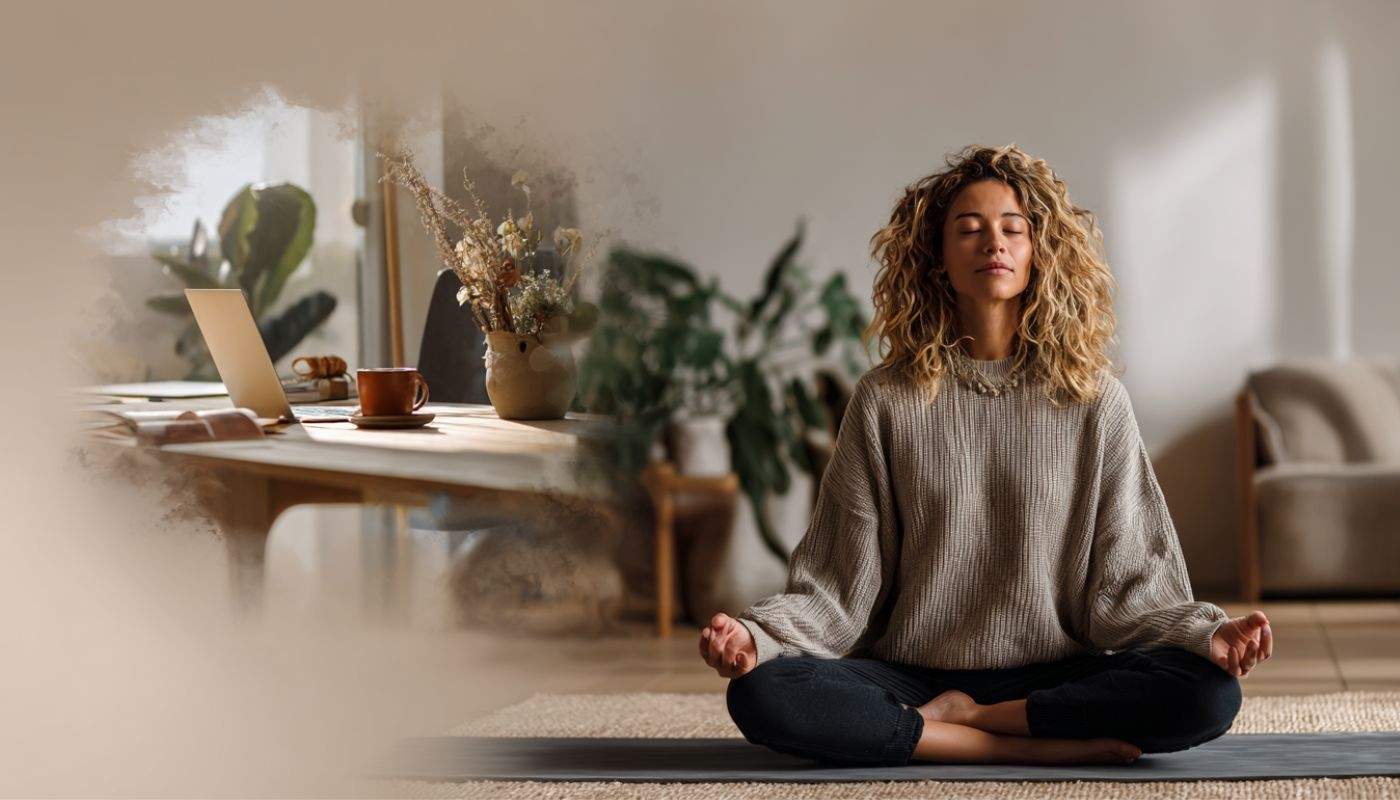
Academic success increasingly depends on students’ ability to manage stress, maintain focus, and regulate emotions effectively. Meditation techniques specifically adapted for educational contexts provide practical tools for enhancing learning capacity while supporting overall mental health during demanding academic periods. Here’s a step-by-step meditation practice focused on students and enhancing academic performance.
Step 1: Build Daily Concentration Foundation
10-Minute Morning Focus Practice:
- Sit upright at your desk or study area
- Set timer for 10-15 minutes
- Focus on breath at nostrils
- When mind wanders to assignments, gently return to breath
- Count breaths 1-10, then start over
- Practice same time daily for consistency
Step 2: Pre-Study Preparation
5-Minute Study Session Setup:
- Sit at your study space before opening books
- Take 3 deep breaths to center yourself
- Set clear intention: “I will focus completely for the next hour”
- Scan body for tension, consciously relax shoulders and jaw
- Visualise absorbing information easily and clearly
- Begin studying with full attention
Step 3: Combat Test Anxiety
Exam Preparation Technique:
- Practice 4-7-8 breathing: inhale 4, hold 7, exhale 8
- Repeat 4 cycles to calm nervous system
- Visualise yourself taking the test calmly and confidently
- See yourself reading questions clearly and recalling answers
- Imagine feeling proud after completing the exam successfully
- Practice this visualisation daily leading up to test
During Test Day:
- Use discrete breathing: slow inhale through nose, long exhale
- If anxiety rises, pause and take 3 conscious breaths
- Remind yourself: “I am prepared and capable”
- Return attention to current question only
Step 4: Study Break Resets
Between Study Sessions (2-3 minutes):
- Stand up and stretch arms overhead
- Take 5 deep breaths while looking away from books
- Do brief body scan: notice areas of tension
- Shake out hands and roll shoulders
- Set intention for next study period
Step 5: Academic Stress Management
Daily Stress Relief (10 minutes):
- Find quiet space between classes
- Practice self-compassion: “This is a moment of stress. Stress is part of student life. May I be kind to myself”
- Use box breathing: inhale 4, hold 4, exhale 4, hold 4
- Remind yourself: “I am doing my best with what I have right now”
- List 3 things going well academically
Step 6: Sleep Optimisation for Learning
Pre-Sleep Academic Wind-Down:
- Set study materials aside 1 hour before bed
- Practice gratitude: recall 3 things learned today
- Use progressive relaxation focusing on brain and nervous system
- Visualise information organising itself in your memory
- Set intention to wake refreshed and mentally clear
Quick Reset Techniques:
- Before difficult classes: 30 seconds of deep breathing
- During overwhelming moments: 4-7-8 breathing pattern
- After challenging exams: 5 minutes of self-compassion meditation
- Between back-to-back classes: Brief body scan and posture reset
Step 7: Memory Consolidation Practice
- Review key concepts in relaxed state before sleep
- Practice without books – just mental rehearsal
- Allow natural rest periods between intense study sessions
- Trust that relaxed mind processes information more effectively
Quick Daily Routine: Steps 1 (morning), 4 (between study sessions), and 6 (before sleep) for comprehensive academic support.
Conclusion

The diversity of meditation types ensures that everyone can find approaches suited to their unique needs, preferences, and life circumstances. Whether seeking stress relief, enhanced focus, better sleep, or deeper spiritual development, the rich tradition of contemplative practices offers proven techniques for achieving these goals through consistent, patient practice.
Scientific References:
- Lutz, A., et al. “Attention regulation and monitoring in meditation.” Trends in Cognitive Sciences, vol. 12, no. 4, 2008, pp. 163-169.
- Tang, Y.Y., et al. “The neuroscience of mindfulness meditation.” Nature Reviews Neuroscience, vol. 16, no. 4, 2015, pp. 213-225.
- Hofmann, S.G., et al. “Loving-kindness and compassion meditation: potential for psychological interventions.” Clinical Psychology Review, vol. 31, no. 7, 2011, pp. 1126-1132.
- Zenner, C., et al. “Mindfulness-based interventions in schoolsa systematic review and
- meta-analysis.” Frontiers in Psychology, vol. 5, 2014, pp. 603.