

Sleep hygiene represents one of the most powerful yet underutilised tools in our wellness arsenal. Far from being merely a collection of bedtime suggestions, sleep hygiene encompasses a comprehensive set of evidence-based practices that create the optimal conditions for restorative sleep. These practices address everything from your physical environment to your daily habits, working together to support your body’s natural sleep-wake cycle and promote deeper, more refreshing rest.
The benefits of good sleep hygiene extend far beyond just feeling more rested. Proper sleep hygiene supports immune function, enhances cognitive performance, improves emotional regulation, and contributes to better physical health outcomes. It can reduce the risk of developing sleep disorders, decrease reliance on sleep medications, and improve overall quality of life.
For many people, implementing comprehensive sleep hygiene practices is the key to unlocking their full potential for health and well-being.
Sleep Hygiene Measures: Building Your Foundation for Better Sleep

Effective sleep hygiene creates a comprehensive framework where multiple measures work synergistically to optimise your sleep quality. Understanding these foundational elements is essential for anyone investing in better sleep and long-term health.
Environmental Sleep Optimisation
Your sleep space should support natural sleep processes through three key factors. Temperature regulation is crucial – keep your bedroom cool between 60-67°F (15-19°C) to align with your body’s natural evening temperature drop that signals sleepiness. Darkness matters equally, as even small light amounts suppress melatonin production. Blackout curtains, eye masks, and eliminating device lights create optimal conditions for melatonin release.
Noise control prevents sleep fragmentation. While complete silence isn’t necessary, sudden sounds can prevent deeper sleep stages. White noise machines, earplugs, or consistent background sounds mask disruptions. Pink noise may enhance deep sleep and memory consolidation.
Behavioral Sleep Strategies
Daily habits significantly impact sleep quality. Caffeine management is fundamental – avoid consumption within 6-8 hours of bedtime, including coffee, tea, chocolate, and energy drinks. Alcohol, though initially sedating, disrupts sleep architecture and creates fragmented, less restorative sleep.
Exercise timing matters. Regular activity promotes better sleep and regulates circadian rhythms, but vigorous exercise within 3-4 hours of bedtime can interfere with sleep onset. Morning or afternoon workouts optimise evening sleep quality.
Meal timing affects sleep more than most realise. Large meals near bedtime cause discomfort, while going to bed hungry is equally disruptive. Light snacks combining complex carbohydrates with protein support steady blood sugar and tryptophan availability for better sleep
Sleep Hygiene Routine: Creating Your Personalised Pre-Sleep Ritual

A well-designed sleep routine signals your body to transition from wakefulness to sleep. Begin this routine 1-2 hours before bedtime, creating a gradual wind-down period. Consistency is crucial – performing the same activities nightly establishes strong sleep associations and reinforces your circadian rhythm.
Light Management Gradually reduce bright light exposure as evening approaches. Dim overhead lights, use warm-toned lamps, and limit screen time. Blue light from phones, tablets, and TVs significantly suppresses melatonin production, making sleep harder and potentially reducing quality. If you must use devices, consider blue light filtering glasses or color temperature apps.
Physical Preparation Include physical wind-down activities like warm baths or showers, which lower core body temperature and promote sleepiness. The temperature drop after warm water mimics your body’s natural bedtime signal. Add gentle stretching, progressive muscle relaxation, or light yoga to release daily tension.
Mental and Emotional Preparation Address active, anxious minds that replay daily events or worry about tomorrow. Incorporate relaxation techniques to quiet mental chatter: meditation, deep breathing exercises, journaling, or reading light, non-stimulating material.
Technology Curfew Establish a specific evening time when all screens turn off, allowing natural mental wind-down. Replace scrolling and TV with relaxation activities like reading physical books, listening to calming music, or practicing gratitude exercises.
Timing and Consistency Start your routine at the same time nightly, including weekends, to reinforce your internal clock. While establishing strong sleep associations takes several weeks, the long-term benefits of improved sleep quality make this investment worthwhile.
Sleep Hygiene Recommendations: Evidence-Based Strategies for Optimal Rest

Professional sleep hygiene recommendations are based on decades of sleep research and clinical experience, providing evidence-based strategies that have been proven effective across diverse populations. These recommendations serve as a comprehensive guide for anyone seeking to improve their sleep quality.
Schedule and Timing Recommendations:
Sleep Schedule Consistency:
- Go to bed at the same time every night, including weekends
- Wake up at the same time daily, even after poor sleep
- Make gradual schedule changes (15-30 minutes per day)
- Avoid “catching up” on sleep with long weekend sleep-ins
- Maintain consistency even during travel or schedule disruptions
Light Exposure Guidelines:
- Get bright natural light within 1 hour of waking
- Spend 15-30 minutes outdoors in morning sunlight
- Use light therapy devices during winter months if needed
- Dim lights 2-3 hours before bedtime
- Avoid bright screens 1 hour before sleep
Strategic Napping:
- Limit naps to 20-30 minutes maximum
- Nap before 3 PM to avoid nighttime sleep interference
- Avoid napping if you have trouble falling asleep at night
- Use “coffee naps” (caffeine before 20-minute nap) for alertness
- Consider nap-free days if nighttime sleep is problematic
Lifestyle and Behavioral Recommendations:
Caffeine and Substance Management:
- Stop caffeine consumption 6-8 hours before bedtime
- Limit total daily caffeine to 400mg or less • Avoid alcohol within 3 hours of bedtime
- Be aware of hidden caffeine sources (chocolate, medications)
- Consider decaffeinated alternatives in afternoon/evening
Exercise and Activity Guidelines:
- Complete vigorous exercise 4+ hours before bedtime
- Engage in regular daily physical activity
- Try gentle stretching or yoga in the evening
- Avoid intense mental work close to bedtime
- Reserve bed for sleep and intimacy only
Stress Management Strategies:
- Practice daily stress-reduction techniques
- Keep a worry journal to clear your mind
- Use the “4-7-8” breathing technique for relaxation
- Develop coping strategies for racing thoughts
- Consider professional help for chronic stress or anxiety
Supplement and Sleep Aid Recommendations:
Natural Sleep Supports:
- Use can use melatonin supplement, 30 minutes before desired sleep time
- Consider magnesium supplements for muscle relaxation
- Try chamomile tea or passionflower for mild sedation
- Avoid relying on supplements as primary sleep solution
- Consult healthcare providers before starting any supplements
Sleep Hygiene Leaflet: Visual Guide to Better Sleep
THE COMPLETE SLEEP HYGIENE INFOGRAPHIC

Sleep Hygiene Worksheet: Your Personal Sleep Assessment and Planning Tool

PERSONAL SLEEP HYGIENE TRACKING WORKSHEET
SLEEP HYGIENE CATEGORY | CURRENT PRACTICE | GOAL | ACTION STEPS | PROGRESS TRACKING |
SLEEP SCHEDULE | ||||
Bedtime (weekdays) | _______ | _______ | Week 1: ☐ Week 2: ☐ Week 3: ☐ Week 4: ☐ | |
Wake time (weekdays) | _______ | _______ | Week 1: ☐ Week 2: ☐ Week 3: ☐ Week 4: ☐ | |
Weekend sleep pattern | _______ | _______ | Week 1: ☐ Week 2: ☐ Week 3: ☐ Week 4: ☐ | |
BEDROOM ENVIRONMENT | ||||
Room temperature | _____°F | 60-67°F | Week 1: ☐ Week 2: ☐ Week 3: ☐ Week 4: ☐ | |
Darkness level (1-10) | _______ | 9-10 | Week 1: ☐ Week 2: ☐ Week 3: ☐ Week 4: ☐ | |
Noise level (1-10) | _______ | 1-3 | Week 1: ☐ Week 2: ☐ Week 3: ☐ Week 4: ☐ | |
Mattress comfort (1-10) | _______ | 8-10 | Week 1: ☐ Week 2: ☐ Week 3: ☐ Week 4: ☐ | |
DAILY HABITS | ||||
Morning sunlight exposure | ___min | 15-30min | Week 1: ☐ Week 2: ☐ Week 3: ☐ Week 4: ☐ | |
Last caffeine time | _______ | Before 2PM | Week 1: ☐ Week 2: ☐ Week 3: ☐ Week 4: ☐ | |
Exercise timing | _______ | >4hrs before bed | Week 1: ☐ Week 2: ☐ Week 3: ☐ Week 4: ☐ | |
Nap duration/timing | _______ | <30min/<3PM | Week 1: ☐ Week 2: ☐ Week 3: ☐ Week 4: ☐ | |
EVENING ROUTINE | ||||
Screen time cutoff | _______ | 1hr before bed | Week 1: ☐ Week 2: ☐ Week 3: ☐ Week 4: ☐ | |
Light dimming start | _______ | 2hrs before bed | Week 1: ☐ Week 2: ☐ Week 3: ☐ Week 4: ☐ | |
Last meal timing | _______ | 3hrs before bed | Week 1: ☐ Week 2: ☐ Week 3: ☐ Week 4: ☐ | |
Relaxation activity | _______ | 30min routine | Week 1: ☐ Week 2: ☐ Week 3: ☐ Week 4: ☐ | |
SLEEP QUALITY METRICS | ||||
Time to fall asleep | ___min | <20min | Week 1: ☐ Week 2: ☐ Week 3: ☐ Week 4: ☐ | |
Night awakenings | ___times | <2 times | Week 1: ☐ Week 2: ☐ Week 3: ☐ Week 4: ☐ | |
Morning energy (1-10) | _______ | 7-10 | Week 1: ☐ Week 2: ☐ Week 3: ☐ Week 4: ☐ | |
Sleep satisfaction (1-10) | _______ | 8-10 | Week 1: ☐ Week 2: ☐ Week 3: ☐ Week 4: ☐ |
WEEKLY REFLECTION QUESTIONS:
Week 1:
- Which sleep hygiene practice was easiest to implement?
- What was your biggest challenge this week?
- How did your energy levels change?
Week 2:
- Which improvements are you noticing in your sleep quality?
- What adjustments do you need to make to your routine?
- Are you maintaining consistency with your sleep schedule?
Week 3:
- How has your mood and cognitive function changed?
- Which practices have become natural habits?
- What additional improvements would you like to make?
Week 4:
- What is your overall assessment of your sleep hygiene progress?
- Which practices will you continue long-term?
- What are your goals for the next month?
Alternatively, Take The Sleep Hygiene Quiz: Test Your Sleep Knowledge and Habits

Understanding your current sleep hygiene knowledge and honestly assessing your personal habits is a crucial step toward achieving better sleep quality. Sleep hygiene encompasses far more than just having a regular bedtime – it involves a complex interplay of environmental factors, behavioral choices, timing considerations, and lifestyle habits that either support or undermine your natural sleep processes. Many people unknowingly sabotage their sleep through well-intentioned but misguided practices, such as exercising too close to bedtime, consuming caffeine later in the day than they realise, or maintaining bedroom environments that actually work against quality rest.
Our supplementary sleep hygiene quiz is designed to evaluate both your theoretical understanding of sleep hygiene principles and your practical application of these concepts in daily life. Research consistently shows that knowledge alone isn’t sufficient for behavior changemany people know they should avoid screens before bed but continue scrolling through their phones. Similarly, some individuals may have excellent sleep habits but lack understanding of why certain practices work, making them more vulnerable to abandoning helpful routines during stressful periods.
The quiz results will help you identify specific areas where focused improvement can yield the greatest benefits for your sleep quality. Some people may discover they have solid foundational knowledge but struggle with consistency in implementation, while others might find they’re following outdated or ineffective sleep advice. By pinpointing your unique combination of knowledge gaps and behavioral challenges, you can create a targeted action plan that addresses your most significant opportunities for sleep improvement, rather than trying to overhaul everything at once.
Instructions: Answer each question honestly to assess your current sleep hygiene practices and knowledge. This quiz will help you identify areas for improvement in your sleep routine.
PART A: SLEEP HYGIENE KNOWLEDGE
- What is the ideal bedroom temperature for sleep? a) 70-75°F (21-24°C) b) 60-67°F (15-19°C) c) 55-60°F (13-15°C) d) Temperature doesn’t matter
- How long before bedtime should you stop using electronic screens? a) 30 minutes b) 1 hour c) 2 hours d) It doesn’t matter
- What is the recommended maximum duration for a nap? a) 60 minutes b) 90 minutes c) 30 minutes d) 2 hours
- When should you stop consuming caffeine? a) 2 hours before bed b) 4-6 hours before bed c) Right before bed is fine d) 1 hour before bed
- If you can’t fall asleep within 20 minutes, what should you do? a) Stay in bed and try harder b) Get up and do a quiet activity c) Check your phone d) Exercise to tire yourself out
PART B: PERSONAL SLEEP HABITS ASSESSMENT
- How consistent is your sleep schedule? a) Very consistent (same time ±15 minutes daily) b) Mostly consistent (±30 minutes) c) Somewhat variable (±1 hour) d) Very irregular (varies by 2+ hours)
- How do you typically spend the hour before bedtime? a) Watching TV or using devices b) Reading or relaxing activities c) Working or doing chores d) Eating or exercising
- How would you rate your bedroom environment? a) Cool, dark, and quiet b) Mostly good but some issues c) Several environmental problems d) Poor sleep environment
- How often do you consume caffeine after 2 PM? a) Never b) Rarely (once a week) c) Sometimes (2-3 times per week) d) Frequently (daily)
- How long does it typically take you to fall asleep? a) Less than 15 minutes b) 15-30 minutes c) 30-60 minutes d) More than 60 minutes
SCORING YOUR SLEEP HYGIENE QUIZ:
Knowledge Questions (1-5):
- Correct answers: 1-b, 2-b, 3-c, 4-b, 5-b
- Score: ___/5 correct
Habits Assessment (6-10):
- Give yourself: a=4 points, b=3 points, c=2 points, d=1 point
- Total habits score: ___/20 points
OVERALL INTERPRETATION:
Excellent (Knowledge: 5/5, Habits: 18-20/20): Congratulations! You have excellent sleep hygiene knowledge and practices. Continue maintaining these healthy habits and consider helping others improve their sleep.
Good (Knowledge: 4/5, Habits: 14-17/20): You have solid sleep hygiene foundations with room for minor improvements. Focus on the areas where you scored lower and gradually implement better practices.
Fair (Knowledge: 2-3/5, Habits: 10-13/20): Your sleep hygiene has significant room for improvement. Consider implementing 2-3 new sleep hygiene practices and educating yourself further about healthy sleep habits.
Needs Improvement (Knowledge: 0-1/5, Habits: 5-9/20): Your current sleep hygiene practices may be significantly impacting your sleep quality. Consider consulting with a healthcare provider and implementing comprehensive sleep hygiene improvements.
Action Steps Based on Your Score:
- Review the areas where you scored lowest
- Choose 1-3 specific improvements to implement this week
- Use the sleep hygiene worksheet to track your progress
- Retake this quiz in 4 weeks to assess your improvement
Conclusion: Your Journey to Better Sleep Starts Now
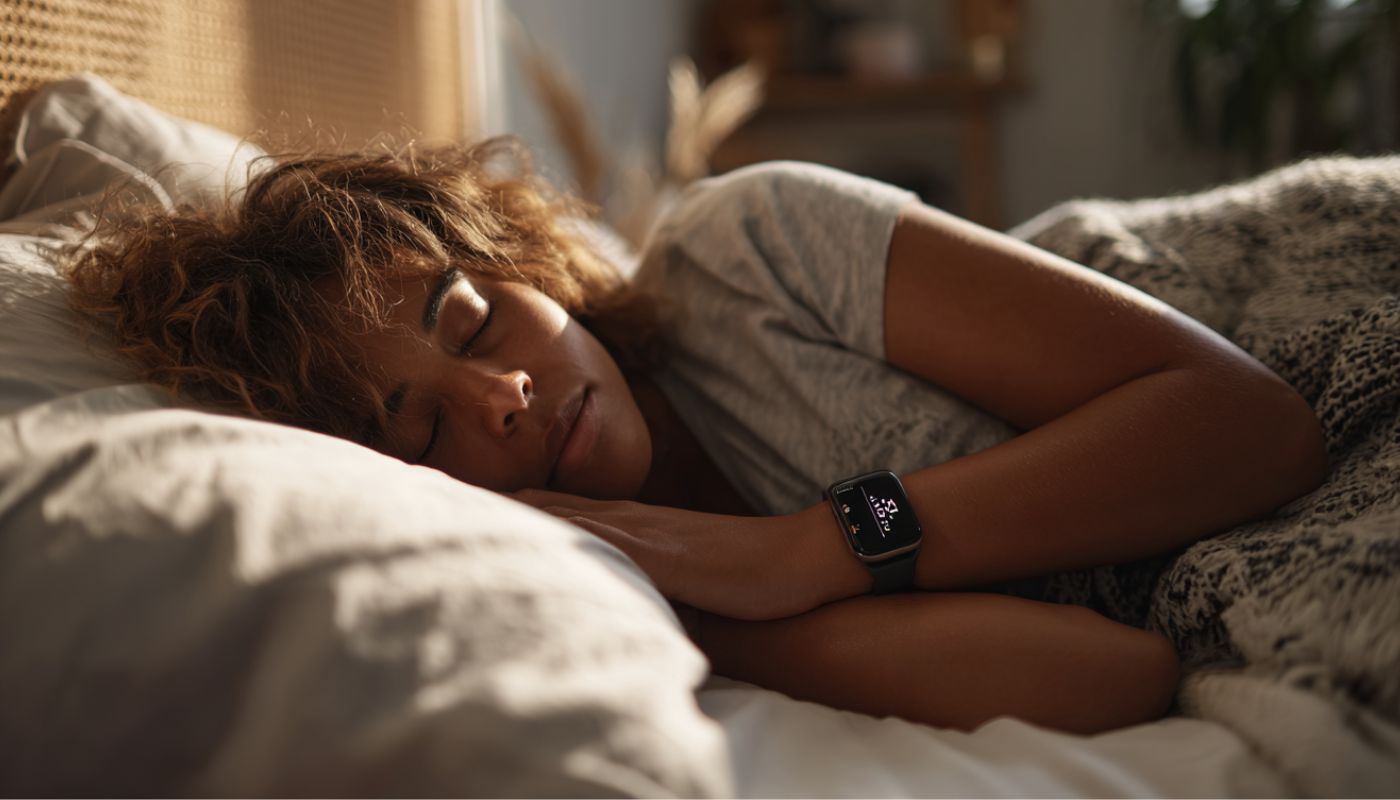
Sleep hygiene represents far more than a collection of bedtime recommendations – it’s a comprehensive approach to optimising one of the most crucial aspects of human health and well-being. Through understanding and implementing evidence-based sleep hygiene measures, creating consistent sleep routines, following professional recommendations, and regularly assessing your progress, you can transform the quality of your rest and, by extension, every aspect of your waking life.
The journey to better sleep hygiene is deeply personal, requiring attention to your individual needs, challenges, and lifestyle constraints. What works perfectly for one person may need modification for another, which is why the tools provided in this guide from the comprehensive worksheet to the self-assessment quiz are designed to help you create a personalised approach to sleep optimisation. The key is to start with small, sustainable changes and gradually build a comprehensive sleep hygiene practice that becomes second nature.
Your journey to better sleep starts with a single step – choose one sleep hygiene practice from this guide and implement it tonight. Your future self will thank you for making this investment in restorative, high-quality sleep.