

Sleepiness is a universal human experience that serves as our body’s natural signal for rest and recovery. However, when sleepiness becomes excessive, persistent, or occurs at inappropriate times, it can significantly impact our quality of life, safety, and overall health. Understanding the difference between normal tiredness and problematic sleepiness is crucial for maintaining optimal well-being and recognising when professional help may be needed.
While occasional sleepiness after a poor night’s sleep or during the natural afternoon dip in alertness is completely normal, chronic or excessive sleepiness can indicate underlying health conditions, lifestyle factors, or sleep disorders that require attention. The modern world presents unique challenges to maintaining healthy sleep-wake cycles, with artificial lighting, irregular schedules, and constant stimulation contributing to widespread sleep problems and daytime fatigue.
Sleepiness affects millions of people worldwide, with studies showing that approximately 20% of adults experience excessive daytime sleepiness that interferes with their daily activities1. This condition can impact everything from work performance and academic achievement to relationships and driving safety. The economic and personal costs of untreated sleepiness are substantial, making it essential to understand its causes, recognise warning signs, and explore effective treatment options.
The complexity of sleepiness stems from its multiple potential causes, ranging from simple sleep deprivation to complex medical conditions. Factors such as age, hormonal changes, medications, mental health conditions, and underlying sleep disorders all play roles in determining an individual’s sleepiness levels. By exploring these various factors and their interactions, we can better understand how to address sleepiness and improve overall sleep health.
This comprehensive guide will examine the various forms of sleepiness, from common daytime drowsiness to more serious conditions requiring medical attention. We’ll explore specific populations and situations where sleepiness is particularly prevalent, discuss natural and medical treatment approaches, and provide tools for assessing your own sleepiness levels to determine when professional help might be beneficial
Excessive Sleepiness Problem: Recognising When Tired Becomes Troubling

Excessive sleepiness represents a significant departure from normal tiredness, characterised by an overwhelming urge to sleep that persists despite adequate sleep opportunity. This condition, medically known as Hypersomnia or it can also be diagnosed as Excessive Daytime Sleepiness (EDS), can severely impact daily functioning and may indicate serious underlying health issues that require professional evaluation and treatment.
Understanding the Spectrum of Excessive Sleepiness
The excessive sleepiness problem manifests differently across individuals, but common signs include falling asleep unintentionally during routine activities, requiring multiple alarms to wake up, feeling unrefreshed despite long sleep periods, and experiencing cognitive impairment due to persistent drowsiness. Unlike normal tiredness that responds to adequate rest, excessive sleepiness persists even after seemingly sufficient sleep.
Primary Symptoms of Excessive Sleepiness:
- Falling asleep during conversations, meetings, or while driving
- Difficulty staying awake during passive activities like reading or watching TV
- Needing frequent naps that don’t provide lasting relief
- Feeling groggy and disoriented upon waking (sleep inertia)
- Cognitive fog, memory problems, and difficulty concentrating
- Mood changes including irritability, depression, or anxiety
Medical Causes and Sleep Disorders
Several medical conditions can contribute to excessive sleepiness, with sleep apnea being one of the most common culprits. This condition involves repeated interruptions in breathing during sleep, leading to fragmented rest and daytime fatigue. Other sleep disorders such as narcolepsy, idiopathic hypersomnia, and restless leg syndrome can also cause significant daytime sleepiness.
Common Medical Causes:
- Obstructive sleep apnea and other breathing disorders
- Narcolepsy and related central nervous system conditions
- Periodic limb movement disorder and restless leg syndrome
- Circadian rhythm disorders including shift work sleep disorder
- Thyroid disorders and hormonal imbalances
- Chronic fatigue syndrome and fibromyalgia
Lifestyle and Environmental Factors
Modern lifestyle factors significantly contribute to excessive sleepiness problems. Poor sleep hygiene, irregular schedules, excessive caffeine consumption, and inadequate sleep duration all play roles in developing chronic sleepiness. Environmental factors such as bedroom temperature, noise levels, and light exposure can also impact sleep quality and contribute to daytime fatigue.
Contributing Lifestyle Factors:
- Insufficient sleep duration (less than 7-9 hours nightly)
- Irregular sleep schedules and shift work
- Poor sleep environment (too warm, noisy, or bright)
- Excessive alcohol or caffeine consumption
- Lack of physical activity or exercise timing issues • High stress levels and poor stress management
Daytime Drowsiness: Navigating the Afternoon Energy Crash

Daytime drowsiness affects nearly everyone at some point, but understanding when it’s normal versus problematic is essential for maintaining optimal health and productivity. The natural circadian rhythm includes a mild dip in alertness during mid-afternoon, typically between 1-3 PM, but excessive drowsiness outside this window or severe afternoon crashes may indicate underlying issues.
The Science Behind Afternoon Sleepiness
Our internal biological clocks naturally promote alertness during certain periods and sleepiness during others. The circadian rhythm typically shows two main periods of sleepiness: a major one at night and a minor one in the afternoon. This afternoon dip, sometimes called the “post-lunch dip,” occurs regardless of meal consumption and is a normal part of our biological programming.
Normal vs. Problematic Daytime Drowsiness:
- Normal: Mild sleepiness between 1-3 PM that doesn’t interfere with activities
- Normal: Occasional drowsiness after poor sleep or during illness
- Concerning: Severe drowsiness that impacts work, driving, or social activities
- Concerning: Drowsiness that occurs multiple times daily or at inappropriate times
Managing Workplace and Academic Drowsiness
Daytime drowsiness in work and academic settings poses unique challenges, affecting productivity, safety, and learning outcomes. Strategies for managing workplace drowsiness include optimising lighting, taking strategic breaks, staying hydrated, and engaging in brief physical activity to boost alertness.
Workplace Drowsiness Solutions:
Environmental Modifications:
- Increase natural light exposure or use bright desk lamps
- Maintain cooler room temperatures (around 68-70°F)
- Take regular breaks for movement and fresh air
- Use ergonomic seating to maintain good posture
Behavioral Strategies:
- Strategic caffeine timing (avoid late afternoon consumption)
- Brief power naps (10-20 minutes) if workplace policies allow
- Engaging in stimulating tasks during natural low-energy periods
- Social interaction and collaboration during drowsy periods
The Role of Diet and Hydration
Nutrition significantly impacts daytime alertness levels. Large, heavy meals can trigger drowsiness through various mechanisms, including blood sugar fluctuations and the digestive process redirecting energy. Maintaining stable blood sugar through balanced meals and staying adequately hydrated supports consistent energy levels throughout the day.
Dietary Factors Affecting Alertness:
- Energy-sustaining foods: Complex carbohydrates, lean proteins, healthy fats
- Energy-draining foods: Refined sugars, processed foods, heavy meals
- Hydration needs: 8-10 glasses of water daily, more during hot weather or exercise
- Meal timing: Regular, balanced meals every 3-4 hours to maintain stable blood sugar
Uncontrollable Sleepiness After Eating: Post-Meal Fatigue Explained

Experiencing uncontrollable sleepiness after eating is a common phenomenon that affects many people, though the severity and frequency can vary significantly. This post-meal drowsiness, sometimes called “food coma” or postprandial somnolence, involves complex physiological processes related to digestion, blood sugar regulation, and hormonal responses.
The Physiology of Post-Meal Sleepiness
When we eat, several biological processes contribute to sleepiness. Blood flow increases to the digestive system, potentially reducing circulation to the brain. Blood sugar levels rise and then fall, creating energy fluctuations. Additionally, certain foods trigger the release of hormones like insulin and tryptophan that can promote drowsiness.
Biological Mechanisms:
- Blood sugar fluctuations: Rapid rises followed by drops in glucose levels
- Digestive demands: Energy diverted to processing food
- Hormonal responses: Release of insulin, cholecystokinin (CCK), and other digestive hormones
- Tryptophan effects: Amino acid that can increase serotonin and melatonin production
- Circadian timing: Natural afternoon dip coinciding with lunch time
Foods That Promote Sleepiness
Certain foods are more likely to trigger post-meal sleepiness due to their composition and effects on blood sugar and hormone levels. High-carbohydrate meals, especially those containing refined sugars, can cause significant blood sugar spikes followed by crashes that promote fatigue.
Sleepiness-Promoting Foods:
High-Glycemic Carbohydrates:
- White bread, pasta, and refined grains • Sugary foods and beverages
- Processed snacks and fast food
- Large portion sizes of any carbohydrate
Tryptophan-Rich Foods:
- Turkey and other poultry
- Dairy products (milk, cheese, yogurt)
- Nuts and seeds
- Bananas and cherries
Managing Post-Meal Drowsiness
Several strategies can help reduce uncontrollable sleepiness after eating, focusing on meal composition, timing, and portion sizes. Balancing macronutrients, eating smaller portions, and choosing complex carbohydrates over simple sugars can help maintain stable energy levels after meals.
Key Practical Management Strategies to combat post-meal drowsiness
- Manage Your Meal Composition
- Balance carbohydrates with protein and healthy fats
- Choose complex carbohydrates over refined sugars
- Include fiber-rich foods to slow digestion
- Control portion sizes to avoid overloading the digestive system
- Rethink Eating Patterns
- Eat smaller, more frequent meals throughout the day
- Avoid large meals, especially during the afternoon
- Stay hydrated before, during, and after meals
- Take short walks after eating to aid digestion
- Timing Considerations matter
- Be aware of natural circadian dips (1-3 PM)
- Plan important activities before or after meal times
- Consider light meals during peak performance periods
- Allow 2-3 hours between large meals and important activities
When Post-Meal Sleepiness Indicates Health Issues
While mild drowsiness after eating is normal, severe or persistent post-meal sleepiness may indicate underlying health conditions such as diabetes, insulin resistance, food allergies, or digestive disorders. Individuals experiencing extreme fatigue after every meal or sleepiness that significantly impacts daily activities should consult healthcare providers for evaluation.
The Warning Signs Requiring Medical Attention are:
- Extreme fatigue after every meal regardless of food type
- Sleepiness accompanied by other symptoms (nausea, dizziness, confusion)
- Post-meal sleepiness that interferes with work or daily activities
- Progressive worsening of symptoms over time
- Associated symptoms suggesting diabetes or metabolic disorders
Diabetes and Too Much Sleep: The Blood Sugar-Sleep Connection
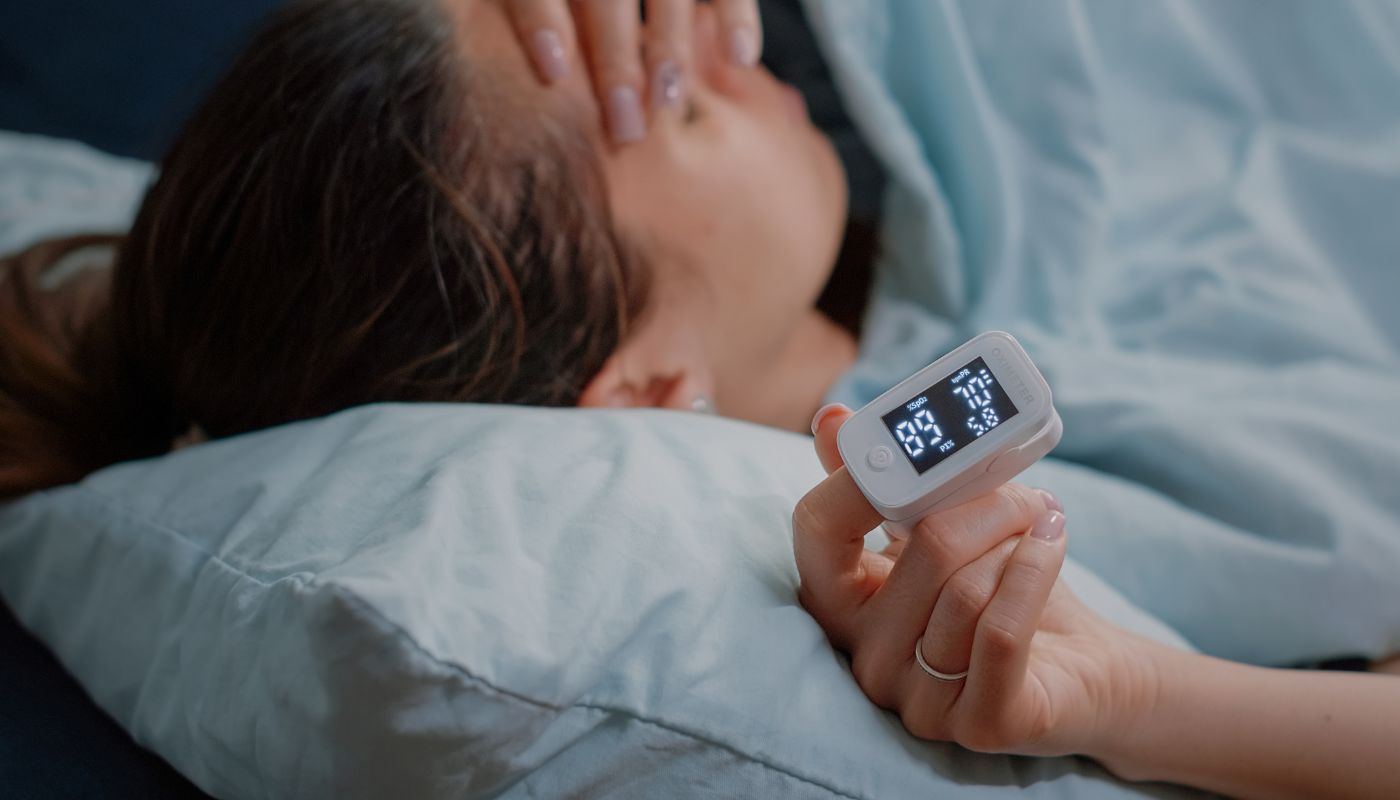
The relationship between diabetes and excessive sleep is intricate and multifaceted, with blood sugar imbalances significantly affecting sleep quality and duration. Both type 1 and type 2 diabetes can lead to hypersomnia (excessive sleeping) and persistent daytime fatigue, while poor sleep patterns can worsen glucose control and diabetes management.
Understanding Diabetes-Related Sleep Excess
Diabetes affects sleep through multiple mechanisms, primarily through blood sugar fluctuations that disrupt normal sleep-wake cycles. High blood glucose (hyperglycemia) and low blood glucose (hypoglycemia) both contribute to sleep disturbances and excessive daytime sleepiness. The body’s struggle to maintain stable glucose levels creates a cycle of fatigue that manifests as prolonged sleep needs and difficulty maintaining alertness during waking hours.
Diabetes and Sleep Pattern Disruptions:
- Hyperglycemic fatigue: Prolonged high blood sugar causing cellular energy deficits
- Dawn phenomenon: Early morning blood sugar spikes disrupting sleep quality
- Frequent urination: Nocturia interrupting sleep cycles throughout the night
- Sleep fragmentation: Poor sleep quality despite adequate sleep duration
- Post-meal drowsiness: Excessive sleepiness following glucose spikes after eating
Physiological Mechanisms
Diabetes involves complex metabolic disruptions that directly impact energy production and sleep regulation. When glucose cannot effectively enter cells due to insulin resistance or deficiency, cellular energy production becomes impaired, leading to persistent fatigue and increased sleep requirements. Additionally, chronic inflammation associated with diabetes affects neurotransmitter balance and circadian rhythm regulation.
The key physiological connections affected are:
- Glucose and Energy Production:
- Impaired cellular glucose uptake reduces energy availability
- Mitochondrial dysfunction affects cellular metabolism
- Insulin resistance creates energy deficits despite adequate nutrition
- Ketone production in uncontrolled diabetes affects brain function
2. Hormonal Disruptions and Sleep:
- Elevated cortisol levels are observed from diabetes stress
- Disrupted melatonin production affects circadian rhythms
- Growth hormone changes impacts sleep architecture
- Creates cycle of poor glucose control and sleep disturbances
Diabetic Complications and Hypersomnia
Diabetic neuropathy and other complications can significantly contribute to sleep disorders and excessive sleepiness. Nerve damage affecting the autonomic nervous system disrupts normal sleep regulation, while diabetic nephropathy and cardiovascular complications can cause sleep-disordered breathing and restless sleep patterns.
The Diabetic Complication-Related Sleep Issues are:
- Sleep apnea prevalence is increased in diabetic patients
- Peripheral neuropathy causes the restless leg syndrome
- Autonomic neuropathy disrupts temperature regulation during sleep
- Medication side effects contributes to daytime sedation
- Depression and anxiety comorbidities affect sleep quality and duration
Does Depression Cause Sleepiness? Explore The Mental Health-Sleep Connection

The relationship between depression and sleepiness is complex and bidirectional, with each condition potentially influencing the other. Depression commonly causes both sleep disturbances and excessive daytime sleepiness, while chronic sleep problems can contribute to the development or worsening of depressive symptoms.
Understanding Depression-Related Sleepiness
Depression affects sleep in multiple ways, often causing hypersomnia (excessive sleeping) in some individuals while causing insomnia in others. The fatigue and low energy characteristic of depression can manifest as overwhelming sleepiness, even when adequate sleep has been obtained. This type of sleepiness often accompanies other depression symptoms such as loss of interest, mood changes, and cognitive difficulties.
Depression and Sleep Pattern Changes are marked by:
- Hypersomnia: Sleeping 10+ hours but still feeling tired
- Early morning awakening: Waking up much earlier than desired
- Fragmented sleep: Frequent night wakings and poor sleep quality
- REM sleep changes: Altered dream sleep patterns and timing
- Sleep inertia: Extreme difficulty waking up and feeling alert
Neurochemical Factors
Depression involves imbalances in neurotransmitters such as serotonin, dopamine, and norepinephrine, which also play crucial roles in regulating sleep-wake cycles. These chemical changes can disrupt normal circadian rhythms, leading to altered sleep patterns and persistent daytime fatigue. Additionally, inflammation associated with depression can contribute to feelings of tiredness and lethargy.
Key Neurochemical Connections that are affected are:
- Serotonin and Sleep:
- Regulates mood and sleep cycles
- Precursor to melatonin production
- Imbalances affect both depression and sleep quality
- Antidepressant medications often target serotonin systems
- Cortisol and Stress Response:
- Elevated stress hormones are seen in depression
- Disrupts normal sleep-wake cycles
- Contributes to early morning awakening
- Creates cycle of poor sleep and increased stress
Seasonal Affective Disorder and Sleepiness
Seasonal Affective Disorder (SAD) represents a specific type of depression closely linked to sleepiness and fatigue. This condition, typically occurring during fall and winter months, is characterised by increased sleep needs, daytime drowsiness, and mood changes related to reduced light exposure.
The SAD-Related Sleepiness Features include:
- Increased sleep duration (often 2+ extra hours)
- Difficulty waking up in the morning
- Persistent daytime fatigue despite long sleep periods
- Carbohydrate cravings and weight gain
- Improvement with light therapy and spring or summer seasons
More Considerations: Fatigue in First Trimester and Exercise-Related Sleepiness

Fatigue 1st Trimester: Understanding Pregnancy-Related Sleepiness
Fatigue during the first trimester of pregnancy is extremely common, affecting up to 90% of pregnant women. This intense tiredness results from dramatic hormonal changes, increased metabolic demands, and physical adaptations occurring in the body during early pregnancy.
Some First Trimester Fatigue Causes are:
- Rising progesterone levels promoting sleepiness
- Increased blood volume and cardiac output
- Lower blood pressure and blood sugar levels
- Increased metabolic rate and caloric needs
- Emotional and psychological stress of early pregnancy
How to Managing First Trimester Fatigue?
- Prioritise adequate rest and earlier bedtimes
- Eat small, frequent meals to maintain blood sugar
- Stay hydrated and avoiding caffeine excess
- Aim for gentle exercise as approved by healthcare providers
- Accept help and modify daily activities as needed
Sleepiness After Exercise: Understanding Post-Workout Fatigue
While exercise generally improves energy levels and sleep quality, some individuals experience sleepiness after exercise, particularly after intense or prolonged workouts. This post-exercise fatigue can result from several factors including energy depletion, dehydration, blood sugar changes, and timing of exercise relative to natural circadian rhythms.
The Factors Contributing to Post-Exercise Sleepiness are:
- Dehydration and electrolyte imbalances
- Blood sugar drops after intense exercise
- Exercise timing conflicting with natural alertness patterns
- Overtraining and inadequate recovery
- Post-exercise parasympathetic nervous system activation
The Strategies to Reduce Post-Exercise Sleepiness are:
- Proper hydration before, during, and after exercise
- Consume appropriate pre and post-workout nutrition
- Time workouts to align with natural energy patterns
- Have gradual cool-down periods after intense exercise
- Ensure adequate recovery between workout sessions
Excessive Sleepiness in Old Age

Excessive sleepiness in old age represents a complex issue involving natural aging processes, increased prevalence of medical conditions, medications effects, and lifestyle factors. While some changes in sleep patterns are normal with aging, excessive daytime sleepiness should not be dismissed as an inevitable part of getting older.
Normal Age-Related Sleep Changes
As we age, our sleep architecture naturally changes, with older adults typically experiencing less deep sleep, more fragmented sleep, and earlier bedtimes and wake times. These changes can contribute to increased daytime sleepiness, but understanding what’s normal versus concerning is important for maintaining quality of life in later years.
Some Normal Aging Sleep Changes are:
- Earlier bedtimes and wake times (advanced sleep phase)
- Reduced deep sleep and more light sleep stages
- More frequent night wakings and longer time to fall back asleep
- Decreased total sleep time but increased time spent in bed
- More sensitivity to environmental disturbances
Medical Conditions Contributing to Elderly Sleepiness
Older adults are more likely to have medical conditions that can cause or contribute to excessive daytime sleepiness. These conditions often interact with each other and with medications, creating complex patterns of sleep disturbance and fatigue that require comprehensive evaluation and management.
Common Medical Contributors of Sleepiness in Old Age are:
Sleep Disorders:
- Sleep apnea (more prevalent with aging)
- Restless leg syndrome and periodic limb movements
- REM sleep behavior disorder
- Circadian rhythm disorders
Chronic Medical Conditions:
- Heart disease and cardiovascular conditions
- Diabetes and metabolic disorders
- Arthritis and chronic pain conditions
- Neurological conditions including Parkinson’s disease and dementia
- Depression and anxiety disorders
Excessive Daytime Sleepiness in Parkinson’s Disease
Excessive daytime sleepiness in Parkinson’s disease is particularly common and can significantly impact quality of life. This sleepiness results from the disease’s effects on brain regions controlling sleep-wake cycles, medications used to treat Parkinson’s symptoms, and associated sleep disorders.
Parkinson’s-Related Sleepiness Factors are:
- Degeneration of brain areas controlling alertness
- Dopamine medication side effects
- Associated REM sleep behavior disorder
- Fragmented nighttime sleep due to motor symptoms
- Depression and anxiety accompanying the disease
Medication Effects on Sleep in Older Adults
Many medications commonly prescribed to older adults can contribute to daytime sleepiness. These effects may be more pronounced in elderly individuals due to changes in drug metabolism, increased sensitivity to medications, and potential interactions between multiple drugs.
Some Sleepiness-Causing Medications are:
- Sedatives and sleep aids (benzodiazepines, “Z-drugs”)
- Antihistamines (including over-the-counter allergy medications)
- Pain medications, especially opioids
- Blood pressure medications (beta-blockers, some diuretics)
- Antidepressants and anti-anxiety medications
- Muscle relaxants and anti-seizure medications
Managing Excessive Sleepiness in Older Adults
Effective management of excessive sleepiness in older adults requires a comprehensive approach addressing medical conditions, medications, sleep hygiene, and lifestyle factors. Regular medical evaluation, medication reviews, and sleep studies may be necessary to identify and treat underlying causes.
The Management Strategies for Excessive Sleepiness in Older Adults include:
- Medical Management:
- Regular review of medications with healthcare providers
- Treatment of underlying medical conditions
- Sleep study evaluation if sleep disorders are suspected
- Consideration of stimulant medications in appropriate cases
- Lifestyle Interventions:
- Maintaining regular sleep schedules
- Optimising bedroom environment for older adult needs
- Regular physical activity appropriate for fitness level
- Social engagement and meaningful activities during the day
- Light therapy for circadian rhythm support
4 Natural Remedies for Excessive Daytime Sleepiness

While medical evaluation is important for persistent sleepiness, many natural remedies can help improve alertness and energy levels. These approaches focus on supporting the body’s natural sleep-wake cycles, optimising nutrition, and incorporating lifestyle practices that promote healthy energy patterns.
1. Herbal and Nutritional Approaches
Several herbs and nutritional supplements have been studied for their effects on alertness and sleep quality. While these natural remedies can be helpful, it’s important to consult with healthcare providers before starting any new supplements, especially if you’re taking medications or have medical conditions.
Energy-Supporting Natural Remedies:
Adaptogenic Herbs:
- Ginseng (American and Asian varieties) for sustained energy
- Rhodiola rosea for stress adaptation and mental clarity
- Ashwagandha for stress reduction and improved sleep quality
- Holy basil (Tulsi) for stress management and alertness
Nutritional Supplements:
- B-complex vitamins for energy metabolism
- Iron for individuals with deficiency-related fatigue
- Magnesium for muscle relaxation and sleep quality
- Coenzyme Q10 for cellular energy production
2. Light Therapy and Circadian Rhythm Support
Light exposure plays a crucial role in maintaining healthy circadian rhythms and promoting appropriate alertness patterns. Natural light therapy and strategic light exposure can help regulate sleep-wake cycles and reduce excessive daytime sleepiness, particularly for individuals with circadian rhythm disorders.
Your Go-to Light Therapy Strategies would be:
- Morning bright light exposure (10,000 lux for 30 minutes)
- Gradual increase in light intensity upon waking
- Spending time outdoors during daylight hours
- Light therapy boxes for seasonal affective disorder
- Avoiding bright light exposure in the evening
3. Exercise and Movement for Energy
Regular physical activity is one of the most effective natural remedies for improving energy levels and reducing excessive daytime sleepiness. Exercise enhances circulation, improves sleep quality, boosts mood-regulating neurotransmitters, and strengthens the body’s natural circadian rhythms.
Our Exercise Recommendations:
- Aerobic Exercise:
- 150 minutes of moderate-intensity exercise weekly
- Morning or afternoon exercise for circadian rhythm support
- Outdoor activities for combined light exposure benefits
- Swimming, walking, cycling, or dancing
- Strength Training:
- 2-3 sessions per week targeting major muscle groups
- Resistance exercises to build muscle and improve metabolism
- Yoga or Tai Chi for stress reduction and gentle strengthening
4. Stress Management and Relaxation Techniques
Chronic stress contributes significantly to sleep problems and daytime fatigue. Natural stress management techniques can help improve sleep quality, reduce anxiety-related sleepiness, and promote better overall energy levels throughout the day.
Must-try Stress-Reduction Techniques are:
- Mindfulness meditation and breathing exercises
- Progressive muscle relaxation
- Regular massage therapy or self-massage
- Aromatherapy with lavender, peppermint, or eucalyptus
- Nature exposure and outdoor activities
Sleepiness Score Assessment and Monitoring

Tracking and monitoring sleepiness levels can provide valuable insights into patterns, triggers, and the effectiveness of interventions. Various sleepiness scales and assessment tools help quantify subjective experiences and communicate with healthcare providers about sleep-related concerns.
Understanding Sleepiness Scales
Sleepiness scores provide standardised ways to measure and track daytime sleepiness over time. These tools help identify problematic patterns, monitor treatment effectiveness, and determine when professional help may be needed.
The Common Sleepiness Assessment Methods are:
- Epworth Sleepiness Scale (most widely used)
- Stanford Sleepiness Scale for moment-to-moment assessment
- Sleep diaries tracking daily patterns and symptoms
- Karolinska Sleepiness Scale for workplace assessments
- Multiple Sleep Latency Test for medical evaluation
Creating Personal Sleepiness Tracking Systems
Developing personal tracking systems helps identify patterns and triggers for excessive sleepiness. Simple logs recording sleep times, sleepiness levels throughout the day, food intake, exercise, and other relevant factors can reveal important connections and guide improvement strategies.
Effective Tracking Elements include:
- Daily sleepiness ratings at consistent times
- Sleep and wake times, including naps
- Food intake timing and composition
- Exercise timing and intensity
- Stress levels and mood ratings
- Medication timing and effects
- Environmental factors (light, temperature, noise)
Exploring The Epworth Sleepiness Scale

The Epworth Sleepiness Scale is the most widely used tool for measuring daytime sleepiness. Developed by Dr. Murray Johns in 1991, this questionnaire assesses the likelihood of falling asleep in various everyday situations. It provides a standardised way to quantify sleepiness and communicate with healthcare providers about sleep-related concerns.
How to Use the Epworth Sleepiness Scale
Instructions: Use the following scale to choose the most appropriate number for each situation. Rate each situation based on your usual way of life in recent times. Even if you have not done some of these things recently, try to work out how they would have affected you.
Scoring Scale:
- 0 = Would never doze
- 1 = Slight chance of dozing
- 2 = Moderate chance of dozing
- 3 = High chance of dozing
Epworth Sleepiness Scale Questions
Rate your likelihood of dozing or falling asleep in the following situations:
- Sitting and reading
- 0 = Never 1 = Slight 2 = Moderate 3 = High ____
- Watching television
- 0 = Never 1 = Slight 2 = Moderate 3 = High ____
- Sitting inactive in a public place (theater, meeting)
- 0 = Never 1 = Slight 2 = Moderate 3 = High ____
- As a passenger in a car for an hour without a break
- 0 = Never 1 = Slight 2 = Moderate 3 = High ____
- Lying down to rest in the afternoon when circumstances permit
- 0 = Never 1 = Slight 2 = Moderate 3 = High ____
- Sitting and talking to someone
- 0 = Never 1 = Slight 2 = Moderate 3 = High ____
- Sitting quietly after lunch without alcohol
- 0 = Never 1 = Slight 2 = Moderate 3 = High ____
- In a car, while stopped for a few minutes in traffic
- 0 = Never 1 = Slight 2 = Moderate 3 = High ____
Total Score: ____/24
Interpreting Your Epworth Sleepiness Scale Score
0-7 Points: Normal Sleep Your sleepiness levels are within the normal range. You’re unlikely to be experiencing problematic daytime sleepiness. Continue maintaining good sleep hygiene practices.
8-9 Points: Mild Sleepiness You may be experiencing mild excessive daytime sleepiness. Consider evaluating your sleep habits, schedule consistency, and overall sleep quality. Minor lifestyle adjustments may be beneficial.
10-15 Points: Moderate Sleepiness You’re experiencing moderate excessive daytime sleepiness that may be impacting your daily life. Consider discussing your results with a healthcare provider and implementing comprehensive sleep hygiene improvements.
16-24 Points: Severe Sleepiness You’re experiencing severe excessive daytime sleepiness that likely significantly impacts your daily functioning and safety. You should seek medical evaluation promptly, as this level of sleepiness may indicate a serious sleep disorder requiring professional treatment.
When to Seek Medical Attention
Regardless of your Epworth score, seek medical attention if you experience:
- Falling asleep while driving or during other dangerous activities
- Significant impairment in work, school, or social functioning
- Sleepiness despite seemingly adequate sleep (7-9 hours nightly)
- Signs of sleep apnea (snoring, gasping, witnessed breathing pauses)
- Sudden onset of severe sleepiness or other concerning symptoms
Taking Control of Your Sleepiness is Possible

Understanding and addressing sleepiness requires a comprehensive approach that considers the complex interplay of biological, psychological, and lifestyle factors affecting our sleep-wake cycles. Whether you’re dealing with occasional daytime drowsiness, post-meal fatigue, or more persistent sleep concerns, recognising the underlying causes and implementing appropriate strategies can significantly improve your quality of life and overall health.
The journey toward better sleep and reduced problematic sleepiness often begins with honest self-assessment using tools like the Epworth Sleepiness Scale and careful attention to personal patterns and triggers. Many individuals find that simple lifestyle modifications – improving sleep hygiene, managing stress, optimising nutrition, and maintaining regular exercise can produce remarkable improvements in daytime alertness and energy levels.
However, it’s crucial to recognise when professional help is needed. Persistent excessive sleepiness, especially when accompanied by other concerning symptoms or significantly impacting daily functioning, may indicate underlying medical conditions or sleep disorders requiring specialised treatment. Don’t hesitate to consult with healthcare providers if your sleepiness concerns persist despite lifestyle improvements.
Remember that addressing sleepiness is an investment in your overall health, safety, and quality of life. The benefits extend far beyond simply feeling more alertbetter sleep and reduced excessive sleepiness can improve cognitive function, emotional regulation, physical health, and relationships. By taking proactive steps to understand and address your sleepiness, you’re setting the foundation for better health and well-being in all areas of your life.
The path to better sleep and reduced sleepiness is highly individual, requiring patience, persistence, and often professional guidance. Use the information and tools provided in this guide as starting points for your journey toward optimal sleep health, always remembering that sustainable improvements take time and consistent effort to achieve.
References:
- Carlton R, Lunacsek O, Regan T, Carroll CA. Healthcare costs among patients with excessive sleepiness associated with obstructive sleep apnea, shift work disorder, or narcolepsy. Am Health Drug Benefits. 2014;7(6):334-340.