

Proper alignment forms the cornerstone of effective yoga practice, influencing not only your physical safety but also the depth of benefits you receive from each posture. Understanding posture for yoga extends far beyond simply looking graceful—it represents the foundation for unlocking yoga’s transformative potential for your spine, nervous system, and overall well-being.
Modern lifestyle challenges, including prolonged sitting and technology use, have created widespread postural imbalances that yoga practice can effectively address. Research indicates that 86% of working adults spend their entire day sitting, leading to forward head posture, rounded shoulders, and weakened core muscles¹. These patterns directly impact breathing capacity, energy levels, and long-term spinal health.
The ancient science of yoga offers systematic approaches to restoring natural spinal curves, strengthening postural muscles, and developing body awareness that translates into improved posture throughout daily life. When practiced with proper alignment principles, yoga postures create lasting changes in how you carry yourself both on and off the mat.
Understanding anatomical alignment in yoga requires recognising that each posture serves specific therapeutic purposes. Rather than forcing your body into predetermined shapes, effective yoga practice involves adapting poses to support your unique structural needs while gradually improving mobility, stability, and awareness.
Foundational Yoga Postures for Spinal Health

Establishing proper foundational postures creates the groundwork for all advanced yoga practice while addressing common postural imbalances that affect millions of practitioners worldwide.
1. Mountain Pose (Tadasana): The Blueprint for All Standing Poses
Mountain Pose appears simple but contains the essential alignment principles that inform every other yoga posture. This foundational pose teaches proper weight distribution, spinal alignment, and postural awareness.
Step-by-Step Instructions
- Stand with feet hip-width apart, ensuring equal weight distribution across both feet.
- Engage your thigh muscles gently while maintaining soft knees.
- Lengthen through the crown of your head while relaxing your shoulders away from your ears.
- Allow your arms to hang naturally at your sides with palms facing forward.
Key Benefits: Mountain Pose strengthens the legs and core while improving proprioception and postural awareness. Regular practice helps counteract forward head posture and rounded shoulders common in desk workers. The pose also enhances balance and stability while teaching foundational breathing patterns that support spinal health.
Common Modifications: For balance challenges, practice near a wall or with feet slightly wider. Those with lower back sensitivity can engage the core gently while maintaining the natural lumbar curve.
2. Cat-Cow Pose (Marjaryasana-Bitilasana): Spinal Mobility and Awareness
This dynamic movement sequence teaches spinal articulation while strengthening the core muscles essential for maintaining proper posture throughout daily activities.
Step-by-Step Instructions:
- Begin in tabletop position with hands directly under shoulders and knees under hips. Inhale while lifting your chest and tailbone toward the ceiling, creating a gentle arch in your back (Cow Pose).
- Exhale while rounding your spine toward the ceiling, tucking your chin toward your chest (Cat Pose).
- Continue flowing between these positions for 8-10 breaths.
Key Benefits: Cat-Cow improves spinal flexibility and mobility while strengthening the core muscles that support proper posture. The movement helps counteract the effects of prolonged sitting by encouraging full-range spinal motion. Studies show that regular spinal mobility exercises can reduce back pain by up to 40%².
Strengthening Postures for Better Postural Support
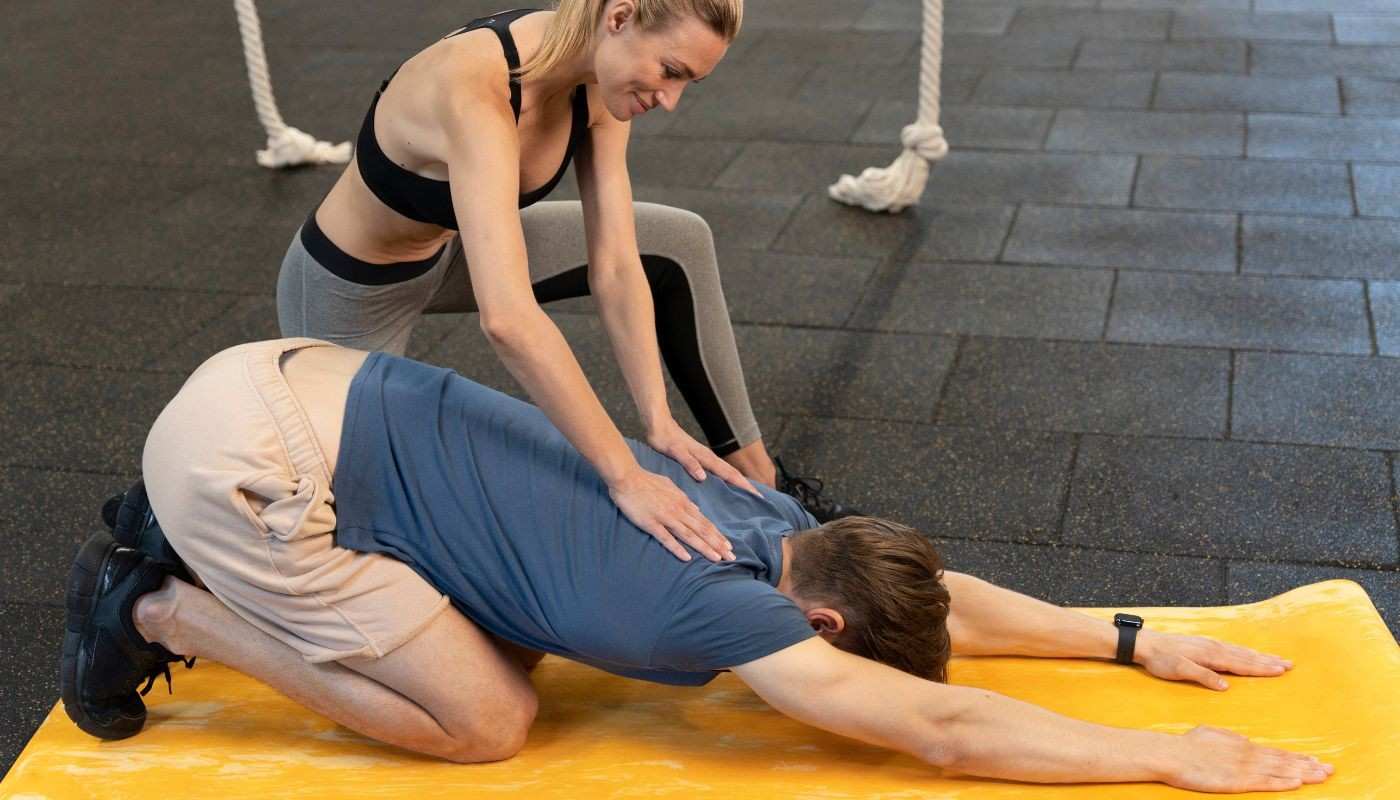
Building strength in key postural muscles creates the foundation for maintaining proper alignment without constant conscious effort. These poses target the deep stabilising muscles that support optimal spinal health.
1. Plank Pose Variations: Core Strength for Spinal Support
Strong core muscles provide essential support for the spine, reducing the likelihood of postural collapse during daily activities and advanced yoga poses.
Traditional Plank Instructions:
- From tabletop position, step both feet back, creating a straight line from head to heels.
- Keep your hands directly under your shoulders while engaging your core muscles.
- Maintain neutral spine alignment while breathing steadily for 30-60 seconds.
Key Benefits: Plank pose strengthens the entire core, including deep stabilising muscles that support proper posture. Regular practice improves endurance in postural muscles while teaching proper spinal alignment under load.
2. Cobra Pose (Bhujangasana): Counteracting Forward Head Posture
Cobra pose specifically addresses the rounded shoulder and forward head posture epidemic while strengthening the posterior chain muscles essential for upright posture.
Step-by-Step Instructions:
- Lie face down with forehead resting on the mat and palms placed under your shoulders.
- Press your pubic bone into the mat while gently lifting your chest, using back muscle strength rather than pushing with your arms.
- Keep your shoulders relaxed away from your ears while maintaining length through the neck.
Key Benefits: Cobra strengthens the erector spinae, rhomboids, and posterior deltoids while stretching the chest and hip flexors. This combination directly counteracts the muscular imbalances created by prolonged sitting and forward head posture.
Yoga for Better Posture, A Targeted Therapeutic Sequence

Specific yoga sequences can address particular postural challenges, creating focused therapeutic effects that complement overall practice while targeting individual needs.
1. Upper Body Postural Restoration Sequence
Modern technology use creates specific patterns of tension and weakness that require targeted intervention through carefully sequenced postures.
Thoracic Extension Focus: Begin with gentle neck stretches and shoulder rolls before progressing to poses that open the chest and strengthen the upper back. Camel pose variations, supported fish pose, and wall-assisted chest stretches create systematic opening of shortened anterior muscles while strengthening weakened posterior muscles.
Benefits of Upper Body Focus:
- Improved breathing capacity through chest expansion and rib cage mobility
- Reduced neck and shoulder tension from technological stress patterns
- Enhanced circulation to the head and neck region for mental clarity
- Stronger posterior deltoids and rhomboids for natural shoulder positioning
- Increased awareness of upper body alignment patterns during daily activities
2. Lower Body Foundation Building
Hip flexibility and leg strength directly influence spinal alignment, making lower body work essential for comprehensive postural improvement.
Hip Opening and Strengthening Sequence: Combine poses like warrior variations, lunges, and hip flexor stretches with strengthening postures such as bridge pose and locust pose. This combination addresses tight hip flexors from sitting while building strength in the glutes and hamstrings.
The integration of hip mobility and strength work creates better pelvic alignment, which serves as the foundation for proper spinal curves and overall postural health.
Posture Exercises for the Elderly
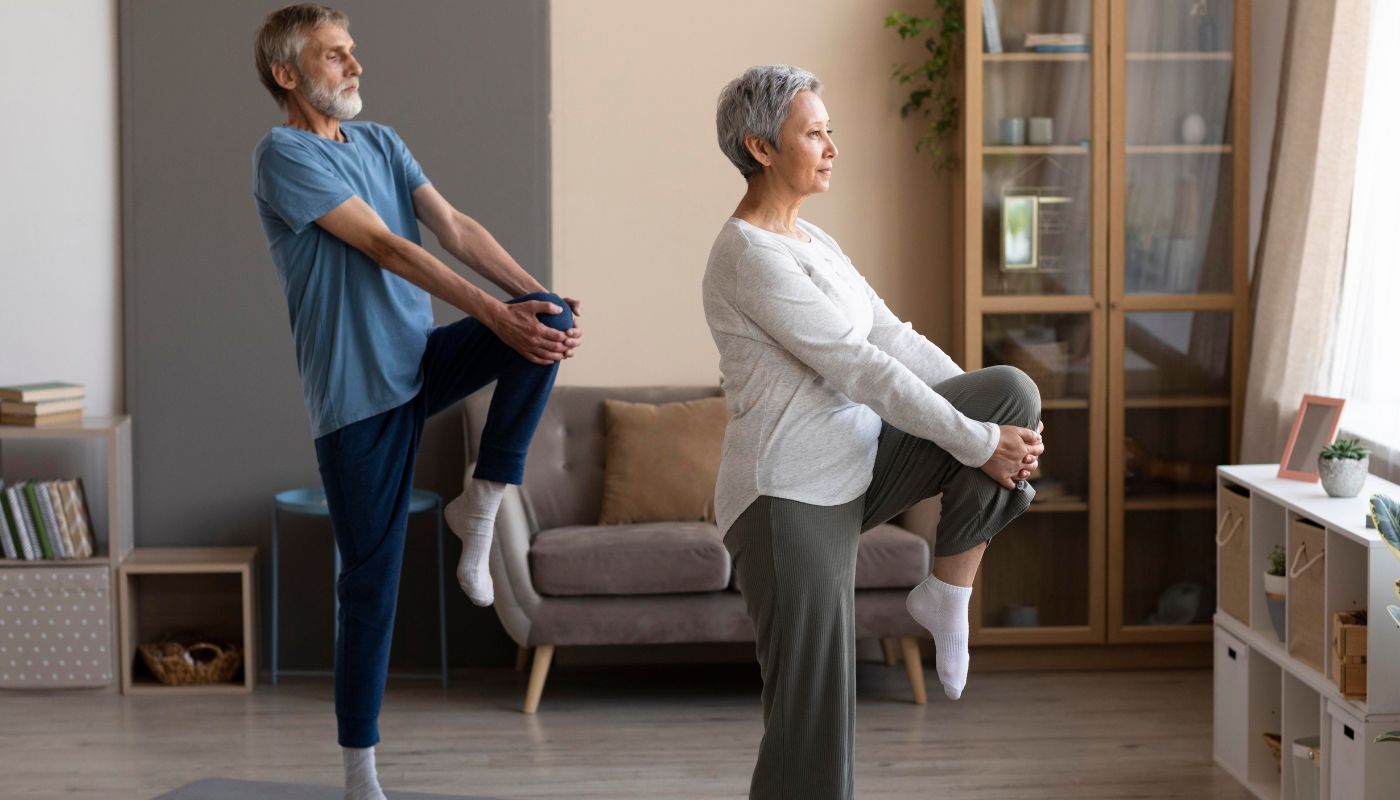
Ageing naturally affects bone density, muscle mass, and joint mobility, making modified yoga approaches essential for maintaining postural health throughout the lifespan.
Chair-Supported Postures for Safety and Accessibility
Chair yoga modifications make postural improvement accessible regardless of mobility limitations while maintaining the therapeutic benefits of traditional poses.
Chair Mountain Pose Instructions:
- Sit tall in a sturdy chair with feet flat on the floor and hands resting on your thighs.
- Engage your core gently while lifting through the crown of your head.
- Relax your shoulders while maintaining an open chest and natural spinal curves.
Chair Spinal Twist Instructions:
- Sitting tall, place your right hand on your left knee and left hand on the back of your chair.
- Gently rotate your torso to the left, keeping your hips facing forward.
- Hold for 30 seconds before repeating on the other side.
Benefits for Older Practitioners:
- Maintained spinal mobility despite age-related changes in joint structure
- Improved balance and proprioception for fall prevention
- Enhanced circulation and breathing capacity through gentle movement
- Social connection opportunities through group chair yoga classes
- Adaptable practice that accommodates changing physical capabilities
Osteoporosis-Safe Modifications
Bone health considerations require specific modifications to ensure safety while still providing beneficial loading for bone density maintenance.
Avoid deep forward folds and excessive spinal flexion while emphasising gentle extension and strengthening poses. Weight-bearing poses like modified warrior variations and standing poses provide beneficial stress for bone health maintenance.
Research demonstrates that regular yoga practice can improve bone density by 2-4% annually in postmenopausal women when practiced consistently³.
Poses for Prenatal Yoga and Supporting Changing Postural Needs
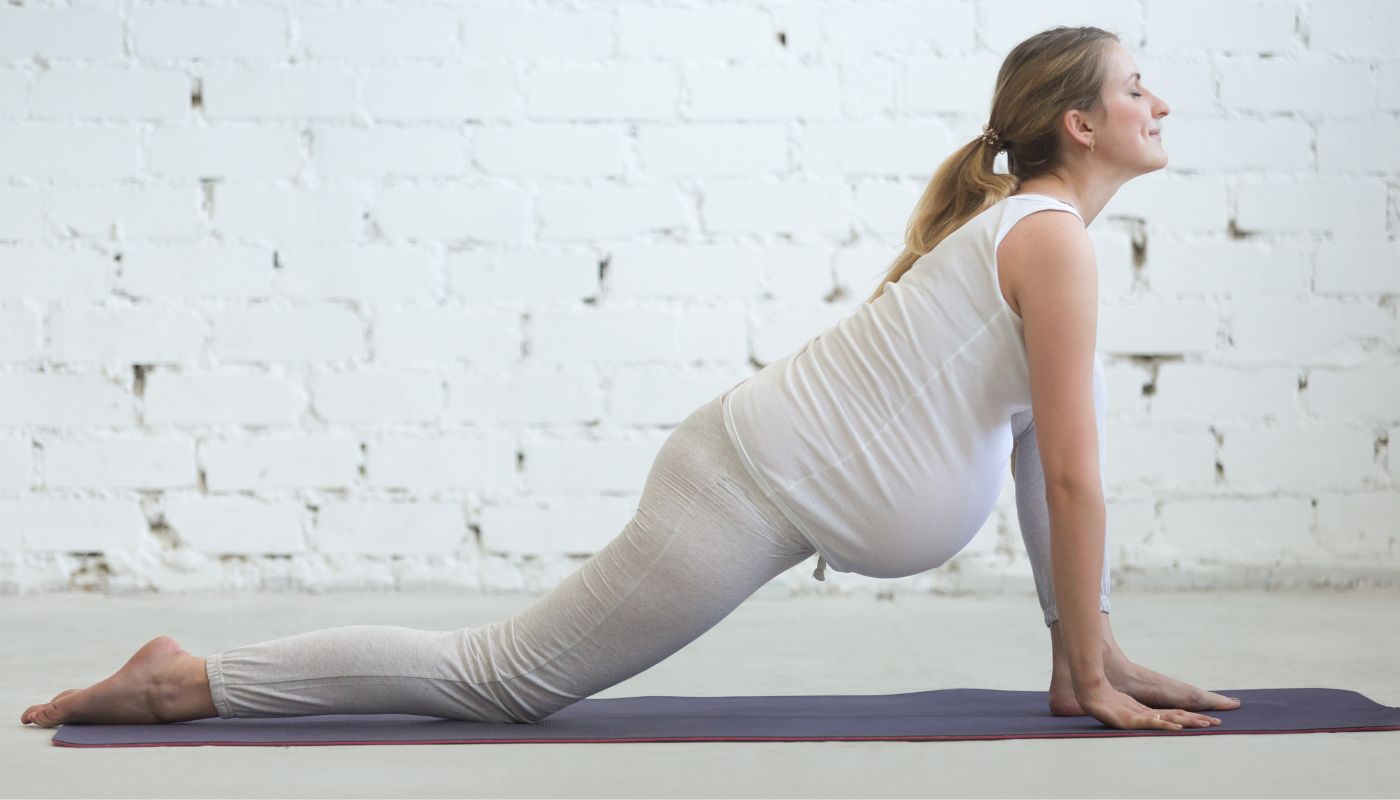
Pregnancy creates dramatic postural changes as the body adapts to accommodate growing life, requiring specialised yoga approaches that support both mother and baby.
First Trimester Postural Adaptations
Early pregnancy often involves fatigue and nausea, making gentle poses that support energy and reduce discomfort particularly valuable.
- Modified Sun Salutations: Adapt traditional sun salutations by stepping back into lunges rather than jumping, holding poses for longer periods to build strength, and emphasising breath awareness throughout the sequence.
- Supported Standing Poses: Use walls or chairs for additional stability while practicing warrior poses and standing forward folds. These modifications maintain the benefits of standing poses while accommodating changing balance and energy levels.
Second and Third Trimester Considerations
As pregnancy progresses, avoiding supine positions and deep twists becomes important while emphasising poses that open the hips and strengthen the back body.
Safe Prenatal Pose Guidelines:
- Avoid deep backbends that may exacerbate diastasis recti
- Practice wide-legged forward folds to accommodate growing belly
- Use props generously for comfort and safety in all poses
- Focus on breathing practices that prepare for labor and delivery
- Emphasise hip opening poses for birthing preparation
Benefits of Prenatal Yoga Practice: Studies show that regular prenatal yoga practice reduces labor pain by 32% while improving birth outcomes and reducing postpartum depression risk⁴. The postural benefits include reduced back pain, improved sleep quality, and better preparation for the physical demands of caring for a newborn.
Poses for Restorative Yoga and Healing
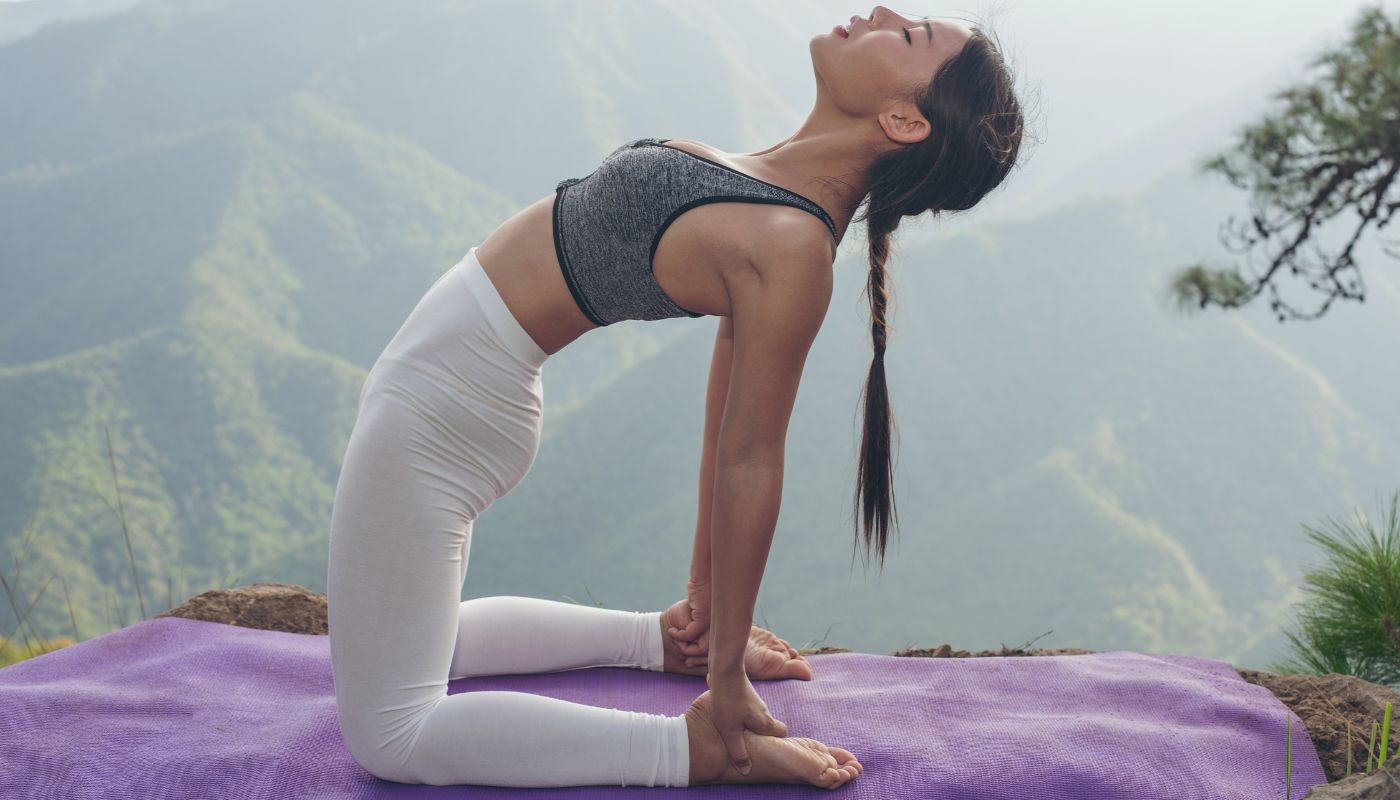
Restorative yoga uses props and gravity to create therapeutic positioning that allows the nervous system to reset while gradually improving postural patterns.
Supported Backbends for Heart Opening
Gentle, supported backbends provide the benefits of chest opening without the effort required in active poses, making them ideal for stress relief and postural restoration.
Supported Fish Pose Instructions:
- Place a bolster or rolled blanket under your shoulder blades while lying on your back.
- Allow your arms to rest comfortably at your sides with palms facing up.
- Close your eyes and breathe deeply for 5-15 minutes.
Key Benefits: Supported backbends gently stretch the chest and hip flexors while supporting the spine in healthy extension. The passive nature allows for deep relaxation while gradually improving postural patterns.
Restorative Twists for Spinal Health
Gentle twisting poses help maintain spinal mobility while promoting relaxation and digestive health.
Supported Spinal Twist Instructions:
- Lie on your side with a bolster between your legs and another supporting your top arm.
- This position allows for gentle spinal rotation without effort while promoting deep relaxation.
Therapeutic Benefits:
- Improved spinal mobility through gentle, sustained stretching
- Enhanced nervous system regulation through parasympathetic activation
- Reduced muscle tension through supported positioning
- Better sleep quality from deep relaxation practice
- Integration of postural improvements through conscious rest
Advanced Yoga Poses
Advanced poses require excellent postural awareness and strength, serving as both goals and tools for continued postural improvement.
Arm Balancing for Core Integration
Advanced arm balances demand exceptional core strength and postural awareness, making them excellent tools for developing the stability required for perfect posture.
Crow Pose (Bakasana) Preparation: Build toward crow pose through plank variations, core strengthening exercises, and wrist preparation. The pose requires integration of core strength, arm stability, and fearlessness—all qualities that transfer to improved daily posture.
Benefits of Advanced Practice:
- Enhanced proprioception and body awareness through challenging positions
- Improved confidence in physical capabilities and postural control
- Greater integration between strength and flexibility for optimal alignment
- Advanced breathing control that supports postural muscles
- Mindfulness development through challenging physical practices
Backbending Progressions for Spinal Health
Advanced backbends like wheel pose and king pigeon require excellent spinal mobility and strength while providing profound therapeutic benefits for postural health.
Safe Progression Principles: Always warm up thoroughly before attempting advanced backbends. Progress gradually through bridge variations before attempting wheel pose. Focus on opening the shoulders and hip flexors to prevent excessive pressure on the lower back.
Studies indicate that regular backbending practice can improve thoracic spine mobility by up to 25% over six months⁵, directly addressing the thoracic kyphosis common in modern postural patterns.
Integration and Daily Application
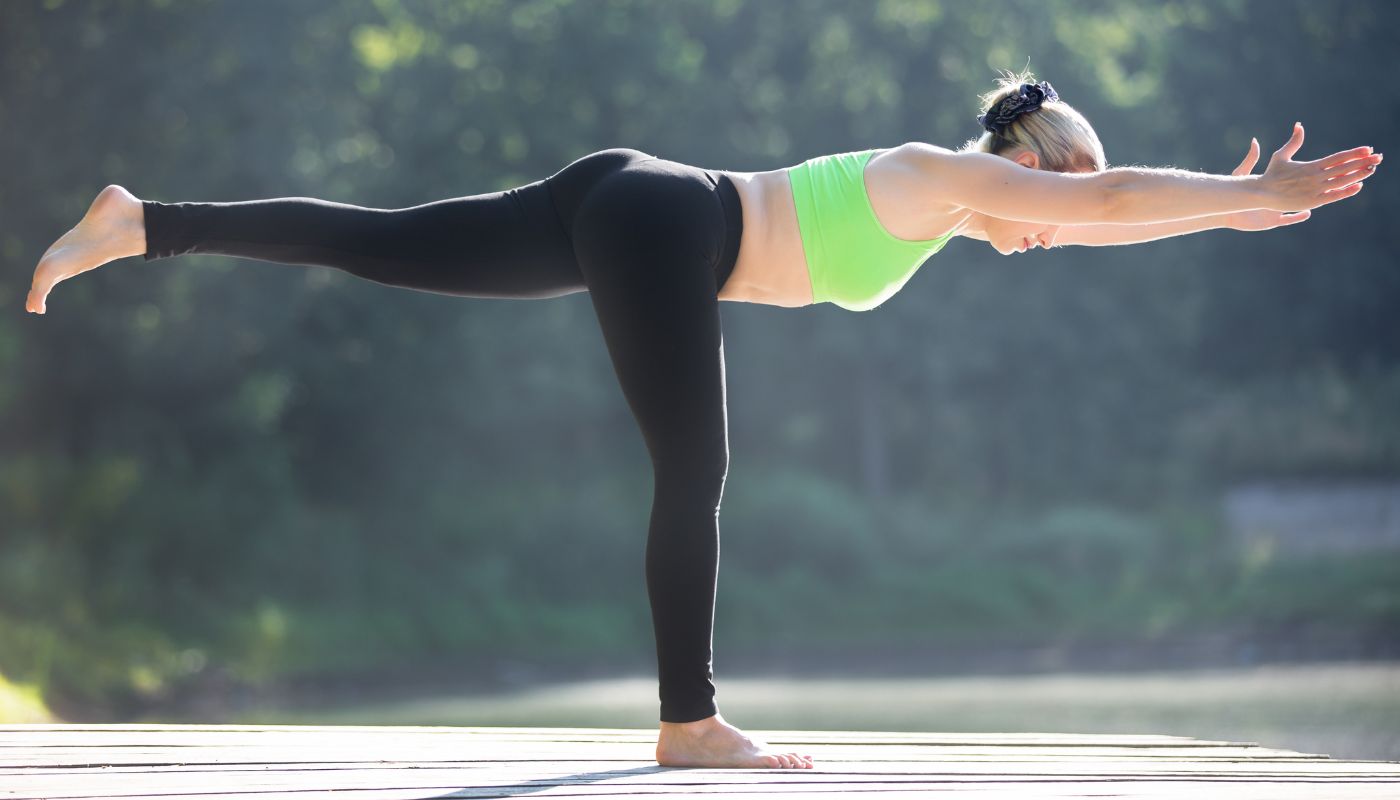
The ultimate goal of yoga posture work extends beyond the yoga mat into improved alignment and awareness throughout daily life. Regular practice develops the strength, flexibility, and mindfulness necessary to maintain proper posture during work, leisure, and sleep.
Daily Integration Strategies:
- Set hourly reminders to check and correct postural alignment
- Practice micro-movements throughout the day to counteract static positioning
- Use breathing awareness as a tool for postural checking and correction
- Apply yoga alignment principles to daily activities like lifting and sitting
- Maintain consistent yoga practice to reinforce postural improvements
Remember that postural change requires time, patience, and consistent practice. Focus on gradual improvement rather than perfection, celebrating small victories as your awareness and alignment continue to develop.
The journey toward optimal posture through yoga practice represents an investment in long-term health, vitality, and confidence. Each moment of conscious alignment contributes to the cumulative benefits that will serve you throughout your lifetime.
References:
- Buckley, J.P., et al. (2015). “The sedentary office: An expert statement on the growing case for change towards better health and productivity.” British Journal of Sports Medicine, 49(21), 1357-1362.
- Yamato, T.P., et al. (2015). “Pilates for low back pain.” Cochrane Database of Systematic Reviews, (7), CD010265.
- Lu, Y.H., et al. (2016). “Twelve-minute daily yoga regimen reverses osteoporotic bone loss.” Topics in Geriatric Rehabilitation, 32(2), 81-87.
- Curtis, K., et al. (2012). “The effect of prenatal yoga on birth outcomes: A systematic review and meta-analysis.” International Journal of Childbirth, 2(3), 175-189.
- Anand, M., et al. (2014). “Effect of yoga on spinal mobility and postural stability in healthy adults.” International Journal of Yoga, 7(1), 44-50.