Written by: Aditi Koli, Content Writer
Reviewed & Edited by: Dr. Dooa Arif, Content Strategist
Estimated Reading Time: 7 minutes
TL;DR
Smartwatches in 2025 offer advanced health monitoring features, such as ECG, sleep tracking, body composition analysis, and stress management.
High-end models focus on performance analytics, recovery optimization, and multi-sport tracking, making them ideal for athletes. Mid-range options balance fitness tracking with health insights, providing up to 14 days of battery life. Budget-friendly models offer basic activity tracking without medical-grade features.
While concerns about electromagnetic radiation and skin irritation exist, these devices are generally safe to use. Overall, smartwatches are transforming into comprehensive health tools, offering both fitness and wellness benefits.
The wearables tech “Smartwatch” sector has evolved dramatically from rudimentary fitness trackers to sophisticated health monitoring instruments integrating medical-grade sensors.
Contemporary smartwatches employ photoplethysmography, electrocardiography, and accelerometry to capture comprehensive physiological data, transforming wrist-worn devices into preventive healthcare tools.
Global smartwatch adoption reached 225 million users in 2024, with projections indicating 460 million users by 2026¹. This growth reflects enhanced clinical validation, improved battery longevity, and seamless integration with healthcare ecosystems enabling remote patient monitoring and chronic disease management.
Modern devices transcend simple step counting, offering atrial fibrillation detection, blood oxygen monitoring, sleep architecture analysis, and stress quantification through heart rate variability assessment. These capabilities position smartwatches as complementary tools within holistic wellness strategies, though they supplement rather than replace traditional medical diagnostics.
The Latest in Wearable Technology for Smartwatches
Advanced Health Monitoring
Top-tier smartwatches now include FDA-cleared ECG functionality for heart rhythm monitoring, along with blood oxygen tracking. These devices offer comprehensive sleep tracking, temperature sensing, and fall detection, providing a full spectrum of health insights with long-lasting battery life.
Body Composition and Sleep Optimization
Smartwatches equipped with BioActive sensors now measure body composition, including skeletal muscle and body fat percentage.
Advanced sleep coaching algorithms are incorporated to offer personalized recommendations based on circadian rhythm analysis, improving sleep quality.
Endurance and Multi-Sport Tracking
Smartwatches designed for athletes provide up to 29 days of battery life in smartwatch mode and offer advanced multi-sport tracking. Features include VO₂ max, training readiness, recovery time, and rugged durability, making these devices ideal for outdoor and endurance sports enthusiasts.
Stress Management and Mental Well-Being
These smartwatches track electrodermal activity to assess stress levels and offer guided breathing exercises to improve mental health.
They also monitor heart rate variability, skin temperature changes, and sleep quality, helping users build resilience against stress.
Recovery Optimization and Performance Analytics
Focused on athletic recovery, these devices provide in-depth strain and recovery analytics. They are designed to track real-time recovery and offer insights into optimal training loads. These watches are built for continuous wear, gathering data without distractions.
Comprehensive Health Tracking with Long Battery Life
Mid-range devices provide a variety of health metrics, including GPS tracking, over 150 sport modes, and clinical-grade accuracy for basic health metrics. With up to 14 days of battery life, these devices offer offline voice assistant functionality and synchronization with health apps.
Precision Heart Rate and Training Load Management
With advanced heart rate sensors, these devices focus on monitoring training load and recovery to help athletes prevent overtraining. They measure sleep quality and the autonomic nervous system’s status, providing actionable insights to optimize performance.
Medical-Grade Health Monitoring and Long Battery Life
Hybrid smartwatches combine traditional design with advanced health monitoring features such as ECG and respiratory disturbance detection. These devices provide clinical-grade accuracy for conditions like sleep apnea, with a battery life of up to 30 days.
Arterial Health and Fitness Monitoring
These smartwatches offer features like arterial stiffness analysis through pulse wave velocity monitoring. They are equipped with accurate heart rate sensors for high-intensity workouts and offer long battery life, making them ideal for everyday fitness and health tracking.
Basic Fitness and Activity Tracking
Affordable smartwatches provide essential fitness tracking features such as step counting, notifications, and basic camera control.
While lacking advanced medical sensors, these devices offer an excellent entry point into wearables technology, with a battery life of up to 3 days.
Key Takeaways: Smartwatches in 2025 offer advanced health monitoring, from ECG and sleep tracking to body composition analysis. Mid-range options offer a balance of fitness and health tracking with extended battery life, while budget models focus on essential activity monitoring without clinical-grade features.
Are Smart Watches Safe to Wear? Examining Health Concerns
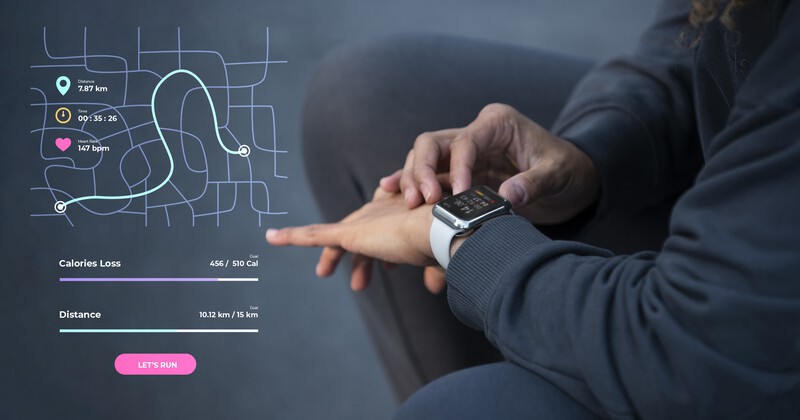
The question “are smart watches safe to wear” encompasses electromagnetic radiation concerns, skin irritation risks, and psychological impacts of continuous self-quantification. Evidence-based analysis addresses each consideration systematically.
Electromagnetic Radiation Exposure
Smartwatches emit radiofrequency electromagnetic fields through Bluetooth, Wi-Fi, and cellular connectivity. However, exposure levels remain substantially below regulatory limits established by international safety standards. Studies demonstrate that smartwatch radiation intensity measures lower than mobile phones², positioning safety concerns as negligible for general populations.
Contact Dermatitis and Skin Reactions
Allergic contact dermatitis affecting 2-3% of smartwatch users typically results from nickel content in charging contacts or adhesive materials in bands. Medical-grade silicone bands and titanium cases minimise allergenic exposure. Proper hygiene protocols, including regular device cleaning and allowing skin recovery periods, prevent most irritation cases.
Psychological Impact Considerations
Continuous metric tracking can foster obsessive monitoring behaviours and anxiety regarding health data. Healthcare professionals recommend balanced approaches utilising smartwatch insights as one component within holistic wellness strategies rather than absolute health determinants.
Battery and Overheating Safety
Modern smartwatches incorporate thermal management systems preventing dangerous overheating during charging or intensive use. Lithium-ion batteries pose minimal explosion risks when manufactured to regulatory standards, though users should avoid counterfeit devices lacking safety certifications.
Key Takeaways: Electromagnetic radiation from smartwatches remains well below safety thresholds established by international regulatory bodies. Contact dermatitis affects small percentages of users, preventable through material selection and proper hygiene.

FAQs
Smart wearable technology refers to electronic devices worn on the body that track health metrics, provide notifications, and offer functionalities like GPS, fitness tracking, and heart rate monitoring.
Yes, a smartwatch is a wearable device designed to provide notifications, track health metrics, and integrate with smartphones for enhanced functionality.
References
- Market.Biz. (2025). Smartwatch statistics by health, fitness and facts (2025). Market.Biz.https://market.biz/smartwatch-statistics/
- Centers for Disease Control and Prevention. (2024, February 20). Facts about wearable technology. Radiation and Your Health. https://www.cdc.gov/radiation-health/data-research/facts-stats/wearable-technology.html
Get in Touch with Us
We’d love to hear from you—share your thoughts or ask a question!