
Written by: Aditi Koli, Content Writer
Reviewed & Edited by: Dr. Dooa Arif, Content Strategist
Estimated Reading Time: 8 minutes
TL;DR
Anti-aging eye serums are a great solution for tackling common signs of aging around the eyes, like wrinkles, puffiness, and dark circles. With key ingredients like retinoids, peptides, and antioxidants, they effectively improve skin texture, boost hydration, and target specific concerns like dark circles and puffiness. If you’re looking for a quick, effective way to refresh and rejuvenate the eye area, a good eye serum can make a noticeable difference, especially when used consistently.
The periorbital region demonstrates accelerated ageing compared to facial skin due to structural vulnerabilities. The skin surrounding eyes measures approximately 0.5mm thick—four times thinner than cheek epidermis-whilst lacking sebaceous glands that provide natural lipid protection. This anatomical fragility renders the area susceptible to fine lines, volume loss, and hyperpigmentation.
Anti ageing serum eye formulations employ concentrated active ingredients in lightweight delivery systems designed for enhanced penetration. Unlike heavier eye creams prioritising occlusive moisture retention, serums utilise smaller molecular structures facilitating deeper dermal absorption where structural proteins reside.
The global eye care market, valued at 3.2 billion dollars in 2024, reflects consumer recognition of targeted periorbital treatments¹. However, efficacy depends entirely upon active ingredient selection, concentration levels, and proper application methodology rather than marketing claims or premium pricing.
What Serum Is Good for Under Eyes: Key Active Ingredients
Evidence-based anti ageing eye serums incorporate specific compounds demonstrating measurable improvements through peer-reviewed clinical trials. Understanding these ingredients enables informed selection aligned with individual concerns.
Retinoids and Retinol
Retinoids remain the gold standard for stimulating collagen synthesis and accelerating cellular turnover. Clinical studies demonstrate retinol concentrations between 0.1-0.5% reduce fine lines by over 12-week periods². However, periorbital application requires lower concentrations than facial products due to regional skin sensitivity.
Retinaldehyde represents a gentler alternative, converting to retinoic acid more efficiently than retinol whilst minimising irritation.
Peptides and Growth Factors
Peptide complexes signal fibroblast activity, stimulating collagen and elastin production. Palmitoyl pentapeptide demonstrates clinical efficacy for wrinkle reduction, whilst acetyl hexapeptide-nicknamed “topical botulinum”-temporarily relaxes expression lines through neurotransmitter modulation. But it is not as potent as botulinum toxin (Botox) injections, the effect is temporary and more subtle as compared to injectables.
Antioxidants
Vitamin C (ascorbic acid) brightens hyperpigmentation whilst protecting against photoaging. L-ascorbic acid at 10-20% concentrations demonstrates optimal efficacy, though stability challenges necessitate airtight, opaque packaging. Vitamin C derivatives including tetrahexyldecyl ascorbate offer enhanced stability with comparable results.
Vitamin E (tocopherol) and ferulic acid create synergistic antioxidant networks, amplifying photoprotective benefits whilst neutralising free radical damage accelerating periorbital ageing.
Key Takeaways: Retinoids, Peptide complexes and Antioxidants work best as anti ageing eye serum ingredients. Vitamin C is best used in the morning (as an antioxidant), and retinoids are best used at night due to their potential to increase skin sensitivity to sunlight.
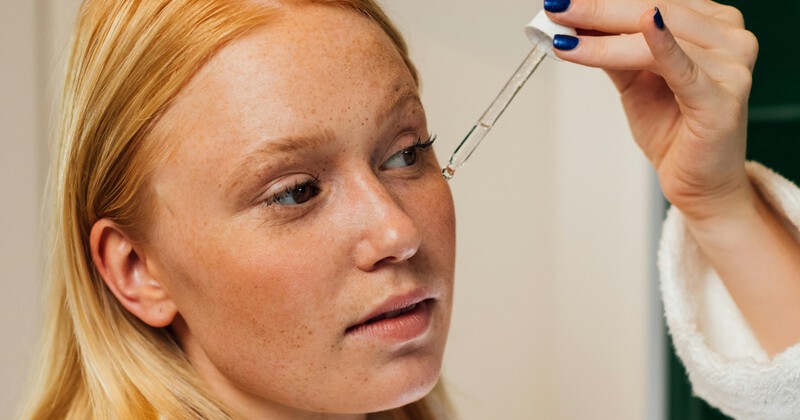
Eye Serum Anti Wrinkle: Targeting Fine Lines and Crow's Feet
Periorbital wrinkles result from repetitive muscle contractions, photoaging, and dermal collagen degradation. Effective eye serum anti wrinkle formulations address these mechanisms through complementary pathways.
Retinoids increase dermal thickness by stimulating collagen synthesis, with studies showing 0.025% tretinoin reduces crow’s feet depth³. Patience proves essential, as visible improvements typically emerge after 8-12 weeks of consistent application.
Peptide serums containing argireline demonstrate rapid but temporary smoothing effects through acetylcholine release inhibition, reducing muscle contraction intensity. Combined with collagen-stimulating peptides, these formulations provide both immediate and cumulative benefits.
Hyaluronic acid at varying molecular weights addresses wrinkles through multi-level hydration. Low molecular weight hyaluronic acid (50-100 kDa) penetrates deeper dermal layers, whilst high molecular weight variants (1000-1500 kDa) create surface moisture films, temporarily plumping fine lines.
Key Takeaways: Retinoids, Neurotransmitter-inhibiting peptides and Multi-molecular weight hyaluronic acid address eye wrinkles effectively.
Eye Serum for Eye Bags and Dark Circles: Anti-Ageing Solutions
Under-eye bags and dark circles represent hallmark periorbital ageing signs that dramatically increase perceived age.
Reversing Age-Related Puffiness
Periorbital puffiness intensifies with age as lymphatic drainage efficiency declines and capillary permeability increases. Eye serum for eye bags formulations incorporate caffeine at 2-5% concentrations, which constricts blood vessels reducing fluid accumulation whilst stimulating sluggish lymphatic circulation.
Niacinamide provides dual anti-ageing benefits-enhancing lymphatic drainage whilst strengthening age-weakened capillary walls, preventing fluid leakage causing morning puffiness. This vitamin B3 derivative simultaneously addresses inflammation contributing to chronic periorbital swelling. Additionally, it can assist with reducing hyperpigmentation–a common concern for dark circles.
Advanced peptide complexes target age-related fat pad herniation, where diminished structural support allows orbital fat protrusion creating permanent bag appearance. Matrixyl peptides stimulate collagen and elastin synthesis, reinforcing dermal scaffolding that deteriorates with chronological ageing.
Combating Age-Related Dark Circles
Dark circle prominence accelerates with age through multiple mechanisms-dermal thinning increases vascular visibility, whilst cumulative sun exposure triggers melanin accumulation.
Vitamin K strengthens age-compromised capillary integrity, reducing vascular visibility beneath thinning periorbital skin. This fat-soluble vitamin addresses the haemoglobin breakdown causing persistent purple-brown discolouration.
Tyrosinase inhibitors including kojic acid, alpha arbutin, and liquorice root extract prevent melanin formation, reversing age-accumulated hyperpigmentation.
Retinoids provide foundational anti-ageing benefits by thickening age-thinned periorbital dermis, reducing translucency that amplifies dark circle visibility.
Key Takeaways: Age-related puffiness and vascular dark circles can be combated effectively with the right ingredients.
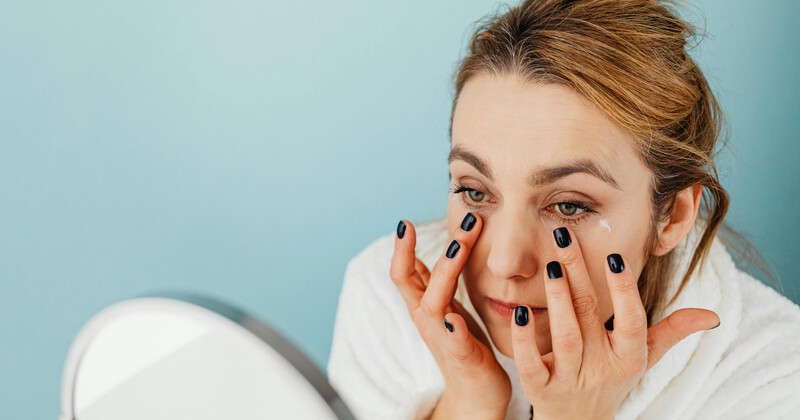
Eye Serum Hydrating: Combating Age-Related Dehydration
Periorbital moisture retention capacity diminishes progressively with age as natural moisturising factor production declines and lipid synthesis reduces. This age-related dehydration accelerates visible ageing through increased fine line prominence, compromised barrier function, and reduced dermal elasticity.
Restoring Age-Depleted Hydration Reservoirs
Hyaluronic acid synthesis decreases approximately 50% between ages 40-60, creating moisture voids that manifest as prominent periorbital crepiness¹. Topical hyaluronic acid at multiple molecular weights compensates for this age-related depletion, binding 1000 times its weight in water to restore youthful hydration levels.
Glycerin and panthenol provide additional humectant properties whilst supporting age-compromised barrier repair mechanisms. These ingredients prove particularly valuable for mature skin demonstrating reduced natural moisturising factor levels.
Reinforcing Age-Weakened Moisture Barriers
Ceramide levels decline 60% between youth and senescence, fundamentally compromising the lipid matrix preventing transepidermal water loss¹. This age-related ceramide depletion creates moisture barrier dysfunction that accelerates visible ageing through chronic dehydration cycles.
Topical ceramide application reverses this age-associated deficit, reinforcing intercellular lipid structures that deteriorate chronologically.
Squalane-which decreases 40% in aged skin-and plant-derived oils provide additional emollient properties, softening age-roughened texture whilst creating protective films reducing age-accelerated moisture evaporation.
Advanced anti ageing eye serum formulations incorporate occlusives including dimethicone derivatives that seal moisture beneath protective barriers, maximising hydration retention in age-compromised tissue demonstrating elevated transepidermal water loss rates.
Key Takeaways: Age-related hyaluronic acid and ceramide depletion creates moisture deficits requiring topical supplementation.
FAQs
To reduce eye ageing, use products with antioxidants, hydrate the skin, apply sunscreen daily, and avoid excessive sun exposure and smoking.
Natural methods to reverse ageing eyes include staying hydrated, getting enough sleep, using cold compresses, and applying nourishing oils like coconut or almond oil.
References
- Statista Research Department. (2025). Global eye care market size & share analysis – Industry trends & growth forecasts to 2030. Statista. Global Caviar and Substitutes Market’s Value Set for 2.6% CAGR Growth Through 2035 – News and Statistics – IndexBox
- Milosheska, D., & Roškar, R. (2022). Use of retinoids in topical antiaging treatments: A focused review of clinical evidence for conventional and nanoformulations. Advances in Therapy, 39(12), 5351–5375. https://pmc.ncbi.nlm.nih.gov/articles/PMC9618501/#:~:text=However%2C%20as%20suggested%20by%20Spierings,better%20than%20the%20tretinoin%20creams
- Sitohang, I. B. S., Makes, W. I., Sandora, N., & Suryanegara, J. (2022). Topical tretinoin for treating photoaging: A systematic review of randomized controlled trials. International Journal of Women’s Dermatology, 8(1), e003 https://pmc.ncbi.nlm.nih.gov/articles/PMC10082573/
Get in Touch with Us
We’d love to hear from you—share your thoughts or ask a question!