
Written by: Aditi Koli, Content Writer
Reviewed & Edited by: Dr. Dooa Arif, Content Strategist
Estimated Reading Time: 8 minutes
TL;DR
The connection between diet and skin health is far more powerful than many realize, with nutrition playing a crucial role in maintaining youthful, glowing skin. Rather than relying solely on expensive creams and serums, embracing anti-wrinkle foods such as fatty fish, avocados, berries, and leafy greens can provide essential nutrients that protect against free radical damage and support collagen production. By making these foods a regular part of your diet, you can nourish your skin from the inside out, complementing your skincare routine with natural, long-lasting results.
Your skin constantly renews itself, requiring essential nutrients to maintain its structure, elasticity, and protective barrier. When you consume nutrient-dense foods, you’re essentially providing your skin cells with the building blocks they need to function optimally. The connection between diet and skin appearance runs deeper than many people realise.
Free radicals – unstable molecules generated by sun exposure, pollution, and natural metabolic processes – damage collagen and elastin fibres, leading to wrinkles and sagging. Antioxidant-rich foods neutralise these harmful molecules, whilst specific nutrients support collagen synthesis and cellular repair. This internal approach to skincare works alongside topical treatments, creating a comprehensive strategy for maintaining youthful skin.
The Best Anti-wrinkle Food Categories
Understanding which food groups offer the most skin-protective benefits helps you make informed choices at every meal. The best anti-wrinkle food options typically fall into several key categories, each offering unique advantages for skin health.
- Colourful fruits and vegetables provide diverse antioxidants that protect against oxidative stress.
- Healthy fats support cell membrane integrity and moisture retention
- Lean proteins supply amino acids necessary for collagen production
- Whole grains contribute essential minerals and B vitamins that support skin metabolism
- Fermented foods promote gut health, which surprisingly influences skin clarity and inflammation levels.
Key Takeaway: Different food categories provide complementary skin benefits.

Ten Anti-wrinkle Foods to Eat Daily
Incorporating these powerful ingredients into your regular routine provides consistent nutritional support for youthful skin. Each offers unique compounds that target different aspects of skin ageing.
Essential Anti-wrinkle Foods:
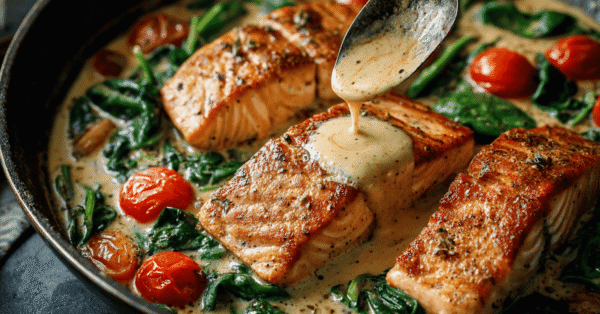
- Fatty fish like salmon and mackerel deliver omega-3 fatty acids that maintain skin suppleness and reduce inflammation
- Avocados provide healthy monounsaturated fats and vitamin E, protecting skin cells from oxidative damage
- Berries contain powerful antioxidants called anthocyanins that defend against premature ageing. Berries are strongly associated with healthier ageing and delayed cognitive decline too, due to their high flavonoid and antioxidant content¹.
- Leafy greens offer lutein and zeaxanthin, which shield skin from harmful UV damage
- Nuts and seeds supply selenium, zinc, and vitamin E for cellular protection and repair
- Sweet potatoes deserve special mention for their exceptional beta-carotene content, which converts to vitamin A – essential for skin cell turnover.
- Tomatoes provide lycopene, particularly effective when cooked, offering protection against sun-induced damage.
- Dark chocolate with high cocoa content contains flavonoids that improve skin texture and hydration
- Bell peppers deliver more vitamin C than citrus fruits, supporting collagen synthesis.
- Green tea stands apart as both a beverage and ingredient, containing catechins that protect against UV damage and improve skin elasticity.
These 10 anti-wrinkle foods to eat regularly create a foundation for genuinely nourished, resilient skin.
Key Takeaways: Each food offers specific compounds targeting different ageing mechanisms. Regular consumption provides cumulative benefits over time.
Natural Anti-wrinkle Foods for Collagen Support
Collagen production naturally declines with age, but certain natural anti-wrinkle foods provide nutrients that support your body’s collagen synthesis. Vitamin C acts as a crucial cofactor in collagen formation, making citrus fruits, kiwis, and strawberries invaluable additions to your diet.
Studies associate higher intakes of vitamin C with improved skin‑ageing appearance and better skin health².
Bone broth contains actual collagen and amino acids that may support your body’s own production, though the absorption mechanism remains fascinating to researchers.
Eggs provide sulphur-containing amino acids necessary for collagen structure, whilst garlic contains sulphur and lipoic acid that help rebuild damaged collagen fibres.
Proline and glycine – amino acids abundant in protein-rich foods like chicken, fish, and legumes – serve as collagen building blocks. Copper, found in cashews, sesame seeds, and cocoa, activates enzymes involved in collagen maturation, strengthening the protein structure.
Key Takeaways: Collagen synthesis requires specific vitamins, minerals, and amino acids. Protein-rich foods provide essential building blocks for collagen production.
Anti-wrinkle Drink Options
Hydration fundamentally affects skin appearance, but certain beverages offer additional anti-ageing benefits beyond simple water intake. The right anti-wrinkle drink choices complement your food selections beautifully.
Green tea emerges as a standout option, with its catechins protecting skin cells whilst supporting elasticity. Matcha powder provides even more concentrated benefits. Pomegranate juice contains punicalagins that may help preserve collagen, whilst beetroot juice supports circulation, ensuring nutrients reach skin cells efficiently.
Bone broth, enjoyed as a warming drink, delivers collagen peptides and minerals directly. Coconut water provides electrolytes that support proper hydration at the cellular level, whilst aloe vera juice contains compounds that may promote skin healing and moisture retention.
Key Takeaway: Strategic beverage choices enhance overall anti-wrinkle nutrition.

Building Your Anti-ageing Meal Plan
Creating a sustainable eating pattern that supports youthful skin needn’t feel restrictive or complicated. Focus on incorporating anti-wrinkle foods naturally into meals you already enjoy, gradually expanding your repertoire.
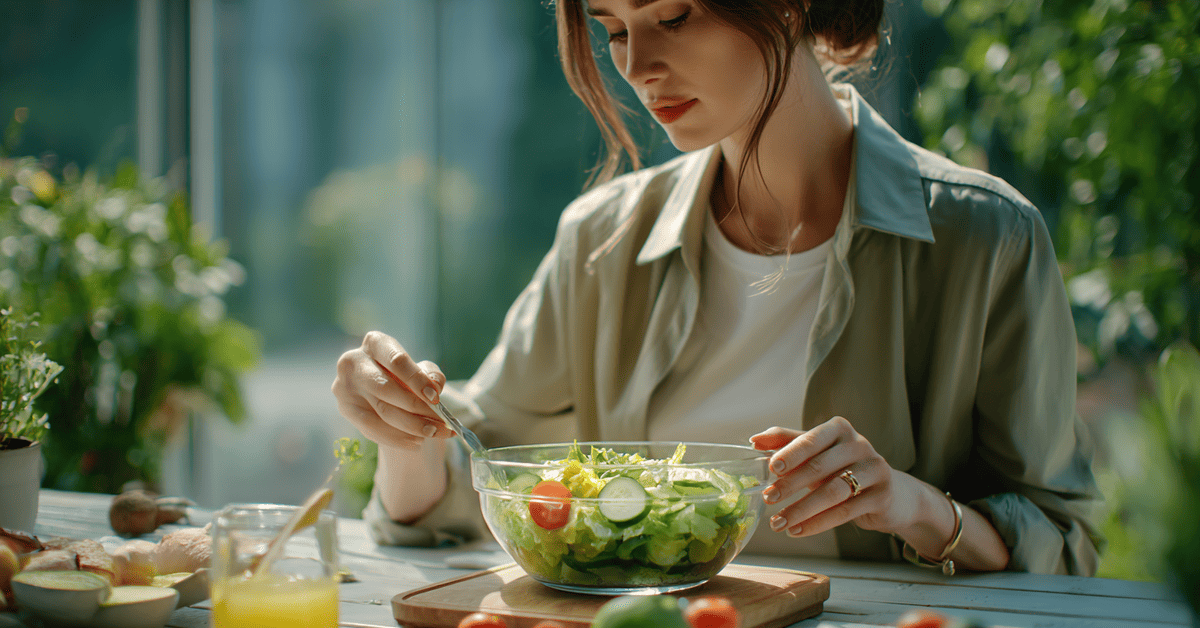
Start your morning with berries and nuts atop yoghurt, ensuring vitamin C and healthy fats. Include leafy greens and colourful vegetables with lunch, perhaps in a vibrant salad with avocado and seeds. Evening meals might feature fatty fish alongside roasted sweet potatoes and steamed broccoli, providing omega-3s, beta-carotene, and sulphur compounds.
Snacking on dark chocolate, fresh fruit, or vegetable sticks with hummus maintains steady nutrient intake throughout the day. Preparing meals at home allows control over ingredient quality and cooking methods – gentle techniques like steaming and light sautéing preserve heat-sensitive nutrients better than high-temperature frying.
Key Takeaway: Gradual dietary changes prove more sustainable than dramatic overhauls.
FAQs
Fruits rich in antioxidants, such as berries, citrus fruits, and pomegranates, can help reduce wrinkles by fighting free radicals and promoting collagen production.
Foods high in vitamin C, like citrus fruits, and those rich in healthy fats, such as avocados and nuts, can help tighten and firm the skin by supporting collagen production.
References
- Devore, E. E., Kang, J. H., Breteler, M. M. B., & Grodstein, F. (2012). Dietary intakes of berries and flavonoids in relation to cognitive decline. Annals of Neurology, 72(1), 135–143. https://doi.org/10.1002/ana.23594
- Cosgrove, M. C., Franco, O. H., Granger, S. P., Murray, P. G., & Mayes, A. E. (2007). Dietary nutrient intakes and skin‑aging appearance among middle‑aged American women. The American Journal of Clinical Nutrition, 86(4), 1225–1231. https://doi.org/10.1093/ajcn/86.4.1225
Get in Touch with Us
We’d love to hear from you—share your thoughts or ask a question!