
Written by: Aditi Koli, Content Writer
Reviewed & Edited by: Dr. Dooa Arif, Content Strategist
Estimated Reading Time: 8 minutes
TL;DR
Hatha Yoga offers a holistic approach to improving both physical and mental well-being by focusing on deliberate, mindful movements. Its practice enhances flexibility, strength, and posture while simultaneously reducing stress and fostering mental clarity. The beauty of Hatha Yoga lies in its adaptability, making it accessible for beginners and beneficial for those seeking a sustainable long-term practice. Through a combination of grounding seated postures, energizing backbends, and introspective forward folds, Hatha Yoga creates a balanced body-mind connection that supports overall health and emotional equilibrium.
Hatha yoga represents the physical dimension of yogic practice, bridging the gap between body and consciousness through deliberate movement. The term itself derives from “ha” meaning sun and “tha” meaning moon, symbolising the balance of opposing energies within us. Unlike faster-paced yoga styles, this training emphasises holding poses for extended periods, allowing practitioners to explore subtle sensations and cultivate deeper awareness.
The beauty of hatha yoga style lies in its accessibility. Each posture can be modified to accommodate different body types, flexibility levels and personal limitations. This inclusive approach makes it ideal for beginners whilst offering seasoned practitioners opportunities to refine their technique. The practice typically combines static holds with conscious breathing, creating a moving meditation that quiets mental chatter whilst strengthening the physical form.
Many people wonder about hatha yoga calories burned during practice. Whilst this varies depending on sequence intensity and individual metabolism, the true value extends far beyond energy expenditure. Regular practice enhances muscular endurance, improves joint mobility and cultivates the mind-body connection that supports overall wellbeing.
Foundational Standing Poses
Standing hatha yoga poses form the cornerstone of any balanced practice, building strength whilst developing spatial awareness. These postures engage multiple muscle groups simultaneously, creating functional strength that translates into daily activities.
1 – Mountain Pose (Tadasana) appears deceptively simple yet teaches fundamental alignment principles. Standing with feet hip-width apart, you distribute weight evenly whilst lengthening through the spine. This posture cultivates the steady presence required for more challenging asanas.
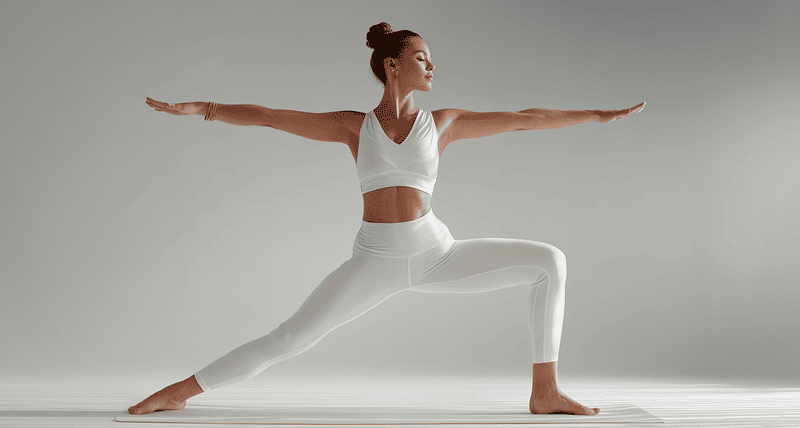
2 – Warrior II (Virabhadrasana II) embodies strength and focus. With legs wide and front knee bent, arms extend parallel to the ground whilst the gaze directs forward. This powerful stance builds endurance in the legs whilst opening the hips and chest.
3 – Triangle Pose (Trikonasana) creates a beautiful lateral stretch through the torso. One hand reaches towards the ground whilst the other extends skyward, creating a sense of expansion. This pose particularly benefits the spine whilst strengthening the legs and core.
Key Takeaways: Standing poses develop functional strength and body awareness. These asanas require active engagement rather than passive stretching.
Seated Postures for Grounding
Seated asanas offer opportunities for introspection whilst working deeply into the hips and lower back. These poses naturally slow the breath and calm the nervous system.
4 – Staff Pose (Dandasana) provides the foundation for numerous seated variations. Sitting with legs extended and spine erect, this seemingly simple posture requires considerable core engagement. It teaches the alignment principles necessary for safe forward folding.
5 – Bound Angle Pose (Baddha Konasana) opens the hips through gentle external rotation. The soles of the feet press together whilst knees fall outward, creating space in the pelvis. This pose particularly benefits those who spend extended periods sitting in chairs.
6 – Seated Forward Fold (Paschimottanasana) encourages surrender and release. Folding forward over extended legs, the pose stretches the entire posterior chain whilst calming the mind. Practitioners learn to distinguish between healthy stretch and harmful strain.
Key Takeaways: Seated poses calm the nervous system whilst improving hip flexibility. These asanas teach the difference between active engagement and forcing. Regular practice of seated postures supports spinal health and posture.
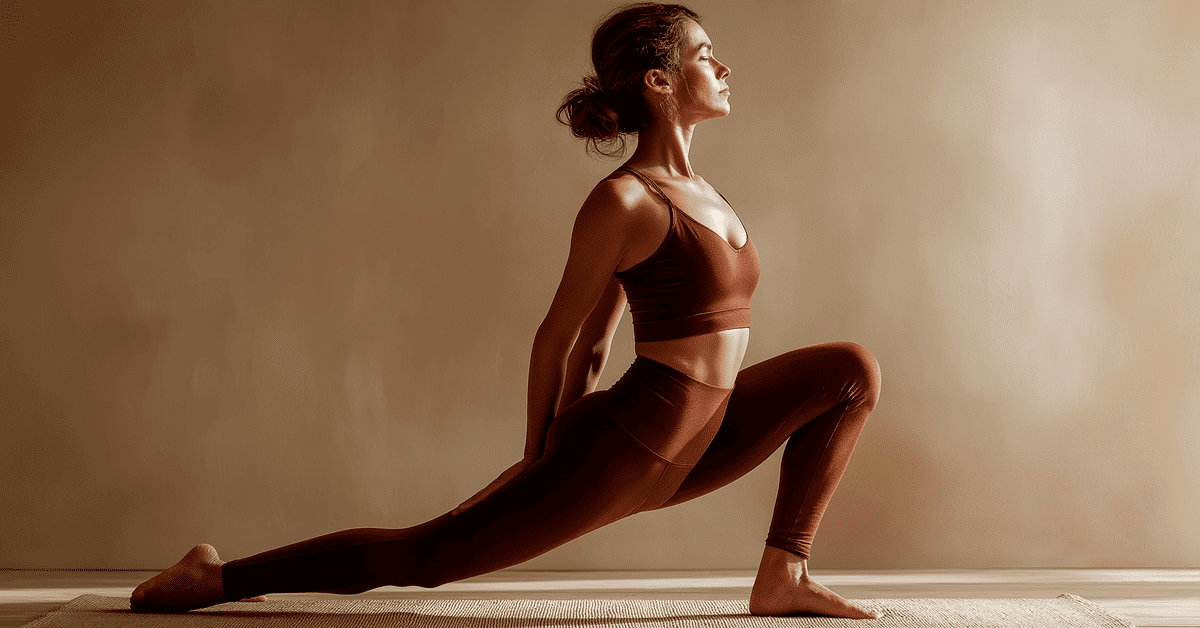
Balancing Your Energy Through Backbends
Backbending poses energise the body whilst counteracting the forward-hunching patterns of modern life. These heart-opening postures require careful preparation and mindful execution.
7 – Cobra Pose (Bhujangasana) offers a gentle introduction to backbending. Lying face-down, hands press beside the chest as the upper body lifts, creating extension through the spine. This accessible pose strengthens back muscles whilst stretching the abdomen.
8 – Bridge Pose (Setu Bandhasana) combines the benefits of backbending with hip opening. The shoulders ground into the mat as the pelvis lifts, creating a supported arch through the spine. This posture strengthens the posterior chain whilst opening the chest and shoulders.
- Backbends should be approached gradually, respecting individual spinal mobility
- These poses invigorate energy levels and improve mood¹
- Proper technique protects the lower back from compression
- Backbending requires adequate warm-up of the spine
- Counter-poses help integrate the energetic effects of these movements
Key Takeaways: Backbends counteract postural imbalances from daily activities. Mindful progression prevents lower back strain and supports long-term practice.
Forward Folds for Inner Reflection
Forward-folding movements in training complement the expansive quality of backbends, creating balance within your practice. These introspective poses encourage letting go whilst stretching the body’s posterior muscles.
9 – Standing Forward Fold (Uttanasana) inverts the relationship between head and heart. Folding from the hips rather than rounding the spine, this pose releases tension in the back whilst calming the nervous system. Bent knees accommodate tight hamstrings, making the pose accessible regardless of flexibility.
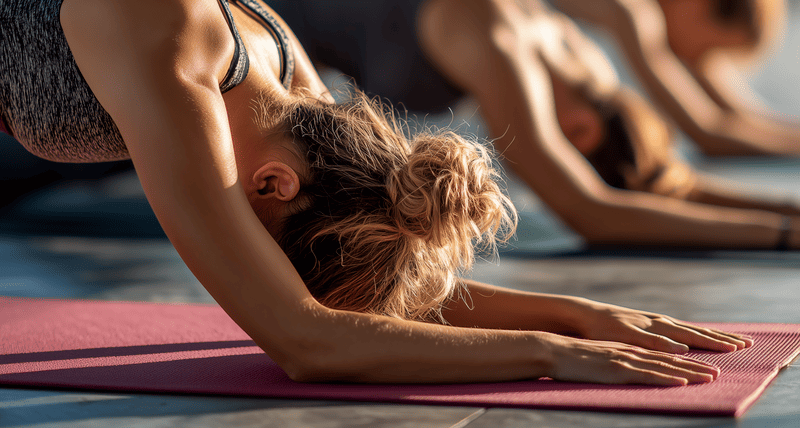
10 – Child’s Pose (Balasana) serves as both active posture and resting position. Kneeling with the torso folded forward, this comforting shape soothes anxiety whilst gently stretching the hips and back. Many practitioners return to this pose throughout their hatha yoga flow whenever rest feels necessary.
Key Takeaways: Forward folds promote introspection and nervous system regulation. Regular practice improves hamstring and back flexibility whilst reducing stress.
Building Your Personal Flow
Begin with gentle movements that warm the joints and muscles. Sun salutations offer excellent preparation, linking breath with movement to create internal heat. From this foundation, explore standing poses that build strength before transitioning to seated postures and floor work.
Balance energising backbends with calming forward folds, ensuring your sequence addresses multiple movement patterns. Include twisting poses to maintain spinal health and hip-opening asanas to release stored tension. Conclude with restorative postures and conscious relaxation, allowing the body to integrate the practice’s benefits.
Rather than flowing quickly between poses, remain in each asana for several breaths, exploring sensations and refining alignment.
Key Takeaways: Personal practice develops through exploration rather than rigid adherence to set sequences. Longer holds in poses characterise authentic practice.
FAQs
It improves flexibility, strengthens muscles, reduces stress, enhances mental clarity, and promotes better posture.
Yes, you can practice the yoga form every day, as it is gentle and adaptable to your body’s needs, promoting balance and well-being.
References
- Baklouti, S., Fekih‑Romdhane, F., Guelmami, N., Bonsaksen, T., Baklouti, H., Aloui, A., Masmoudi, L., Souissi, N., & Jarraya, M. (2023). The effect of web‑based Hatha yoga on psychological distress and sleep quality in older adults: A randomized controlled trial. Complementary Therapies in Clinical Practice, 50, 101715. https://doi.org/10.1016/j.ctcp.2022.101715
Get in Touch with Us
We’d love to hear from you—share your thoughts or ask a question!