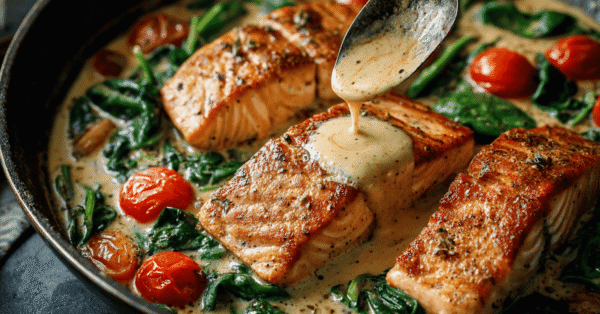
On a keto diet, you can eat foods high in healthy fats, moderate in protein, and low in carbohydrates, such as meat, fish, eggs, cheese, avocados, nuts, seeds, and non-starchy vegetables.


Unlock weekly insights and subscriber-only discounts.
Explore inventive keto diet ideas, from quick meals and snacks to satisfying dinner options, along with a practical 2-week plan to jumpstart your low-carb journey.
Written by: Aditi Koli, Content Writer
Reviewed & Edited by: Dr. Dooa Arif, Content Strategist
Estimated Reading Time: 8 minutes
TL;DR
The keto diet is a transformative approach that shifts your body from burning glucose to burning fat, and it offers a sustainable way to manage your weight and improve overall health. By focusing on high-fat, moderate-protein, and low-carb foods, it promotes ketosis, a state that helps you burn fat efficiently. With creative meal ideas, quick snacks, and a structured 2-week plan, the keto lifestyle becomes both manageable and enjoyable. While the first week may bring challenges, such as the “keto flu,” staying committed and focusing on the long-term benefits, like better energy and mental clarity, makes it a worthwhile journey. Variety in meals and strategic planning ensures you won’t feel deprived, helping you maintain your low-carb lifestyle for the long haul.
The ketogenic diet fundamentally transforms how your body generates energy, shifting from glucose-dependent metabolism to fat-burning ketosis through dramatic carbohydrate restriction. By limiting carbohydrates to minimal daily amounts whilst increasing healthy fat consumption and maintaining moderate protein intake, your body depletes glycogen stores and begins producing ketones from fat as primary fuel. This metabolic state distinguishes keto from other low-carb approaches, requiring stricter carbohydrate vigilance.
Successful keto adherence demands understanding macronutrient ratios-fats comprise the majority of daily calories, protein remains moderate to preserve muscle mass, whilst carbohydrates stay low enough to maintain ketosis. This distribution contradicts conventional dietary wisdom emphasising carbohydrates as primary energy sources, requiring mental reframing around food choices and meal composition.
The ketogenic approach offers potential benefits beyond weight loss, including stable energy without glucose fluctuations, reduced hunger through fat’s superior satiety, and mental clarity many adherents report experiencing.
The global market for keto‑diet‑related food and products was estimated at USD 12.45 billion in 2024, with projections to reach USD 17.48 billion by 2030¹.
However, keto isn’t universally appropriate-those with certain medical conditions, pregnant women, and highly active individuals may find alternative approaches better suited to their needs.
Creative keto diet snack ideas prevent monotony whilst maintaining ketosis between meals. Cheese varieties offer convenient, satisfying options-cubed cheddar, string cheese, or brie with cucumber slices provide protein and fats without carbohydrate concerns. Nuts and seeds, particularly macadamias, pecans, and walnuts, deliver concentrated fats and satisfying crunch, though portion awareness prevents excessive caloric intake.
Avocado-based snacks showcase versatility-simple salted avocado halves, guacamole with vegetable sticks, or avocado boats filled with tinned tuna combine healthy fats with micronutrients. Hard-boiled eggs prepared in batches offer portable protein-rich options, enhanced with everything bagel seasoning or mashed with mayonnaise for devilled egg variations.
Fat bombs-small confections combining coconut oil, nut butters, cocoa, and sweeteners-provide concentrated energy in portable formats satisfying sweet cravings without compromising ketosis. Pork rinds replace traditional crisps, offering satisfying crunch with zero carbohydrates, though sodium content warrants consideration for those monitoring intake.
Vegetable-based snacks maintain variety whilst contributing micronutrients often lacking in fat-focused keto eating. Celery with almond butter, bell pepper strips with cream cheese, or cucumber rounds topped with smoked salmon deliver satisfying textures alongside essential vitamins and minerals supporting overall health beyond simple macronutrient targets.
Key Takeaways: Cheese, nuts, and avocados form convenient keto snack foundations. Creative preparations prevent snack monotony and dietary fatigue. Vegetable-based options contribute essential micronutrients often overlooked.

Satisfying keto diet supper ideas centre on quality proteins paired with low-carbohydrate vegetables and generous healthy fats. Grilled salmon topped with herb butter alongside roasted asparagus and cauliflower mash creates restaurant-quality meals delivering omega-3 fatty acids and abundant micronutrients. Steak with sautéed mushrooms in garlic butter, served with creamed spinach, provides satisfying comfort food within ketogenic parameters.
Chicken thighs, more forgiving and flavourful than breasts due to higher fat content, excel in keto cooking. Bake with lemon and herbs, pan-fry until crispy, or slow-cook in coconut cream with curry spices for diverse flavour profiles. Pair with courgette noodles, cauliflower rice, or simple green salads dressed with olive oil-based vinaigrettes.
One-pan keto suppers simplify preparation whilst delivering complete nutrition. Sheet pan meals combining protein, low-carb vegetables, and fat sources-perhaps sausages with peppers and onions drizzled in olive oil, or chicken thighs with broccoli and cherry tomatoes-require minimal effort whilst producing satisfying results.
Consider these complete supper combinations:
Key Takeaways: Quality proteins with low-carb vegetables form supper foundations. Higher-fat protein cuts naturally support keto macronutrient ratios. One-pan meals simplify preparation without compromising nutrition.
Time-constrained lifestyles demand efficient keto diet quick meals preventing poor food choices during hectic periods. Egg-based meals cook rapidly-scrambled eggs with cheese and spinach, omelettes filled with vegetables and bacon, or frittatas prepared in advance and reheated provide complete nutrition within minutes. Keep quality proteins like rotisserie chicken, tinned fish, and pre-cooked bacon for instant meal assembly.
Lettuce wrap variations replace sandwich conventions-use large lettuce leaves to wrap deli meats, cheese, avocado, and mayonnaise for handheld meals requiring zero cooking. Tinned tuna or salmon mixed with mayonnaise, served over cucumber slices or in avocado halves, delivers satisfying nutrition in under five minutes.
Strategic ingredient preparation accelerates meal assembly. Pre-wash salad greens, chop vegetables for the week, cook bacon batches, and prepare hard-boiled eggs during designated prep time. These components combine rapidly into varied meals-salads topped with proteins and homemade dressings, vegetable scrambles, or simple protein-vegetable-fat combinations.
Convenience products support quick keto eating when chosen wisely. Pre-spiralised courgette noodles, riced cauliflower, and pre-washed salad blends save precious time. Quality sugar-free sauces, bone broth, and frozen vegetables maintain nutrition whilst acknowledging realistic time constraints many face managing modern responsibilities.
Key Takeaways: Egg-based meals provide rapid complete nutrition. Strategic ingredient preparation enables quick meal assembly. Thoughtful convenience products support keto adherence during busy periods.
A structured keto diet 2 week plan eases initial transition whilst establishing sustainable patterns. Week one focuses on adaptation-simple meals emphasising fat intake whilst eliminating carbohydrates, allowing your body to deplete glycogen and begin ketone production. Expect initial challenges as your system adjusts, maintaining meal simplicity whilst your body adapts.
Begin mornings with bulletproof coffee or egg-based meals, establishing morning routines supporting ketosis. Lunches centre on substantial salads with proteins and oil-based dressings or leftovers from previous suppers. Suppers follow the protein-vegetable-fat template, varying proteins and preparations to prevent monotony whilst maintaining macronutrient consistency.
Week two introduces greater variety as adaptation progresses and energy stabilises. Experiment with keto baking using almond or coconut flour, attempt more complex recipes requiring confidence in ingredient substitutions, and explore diverse cuisines adapting traditional dishes to ketogenic parameters. This expanded repertoire prevents the dietary fatigue threatening long-term adherence.
Daily structures might follow this pattern: breakfast features eggs, bacon, and avocado; lunch presents chicken salad with olive oil dressing; snacks include cheese or nuts; supper offers varied proteins with low-carb vegetables. Hydration and electrolyte attention throughout both weeks prevents common adaptation symptoms whilst supporting metabolic transition.
Key Takeaways:
Understanding realistic keto diet weight loss per week expectations prevents disappointment whilst maintaining motivation through the journey. Initial weeks often produce dramatic scale drops primarily reflecting water loss as glycogen depletion releases bound water molecules. This rapid initial reduction, whilst encouraging, doesn’t represent pure fat loss and shouldn’t establish unrealistic ongoing expectations.
Following adaptation, weight loss typically stabilises into steadier, sustainable rates representing genuine fat reduction rather than water fluctuations. Individual factors-starting weight, metabolic health, activity levels, and adherence consistency-significantly influence loss rates, with larger individuals generally experiencing faster initial progress than those closer to healthy weight ranges.
Non-scale victories often prove more meaningful than weight alone. Energy improvements, mental clarity, reduced hunger, better sleep quality, and clothes fitting differently reflect positive changes weight measurements might not capture. Focusing exclusively on scale numbers misses these significant wellness improvements validating dietary efforts beyond simple weight reduction.
Plateaus represent normal physiological responses rather than failures. Bodies adapt to reduced caloric intake, requiring patience and strategy adjustments rather than panic or extreme restriction. Varying meal timing, reassessing portion sizes, or incorporating movement often restart progress without drastic measures undermining long-term sustainability.
Key Takeaways: Initial rapid loss primarily reflects water depletion rather than pure fat. Individual factors significantly influence sustainable loss rates. Non-scale victories often prove more meaningful than weight numbers alone.
The keto diet 1st week presents unique challenges as your body transitions from glucose to ketone-based metabolism. Common adaptation symptoms-headaches, fatigue, irritability, and brain fog collectively termed “keto flu”-reflect electrolyte shifts and metabolic adjustments rather than true illness. Adequate sodium, potassium, and magnesium intake alongside generous hydration substantially mitigates these temporary discomforts.
Energy fluctuations during initial adaptation prove normal and temporary. Your body requires time developing efficient ketone utilisation pathways, with initial inefficiency causing temporary performance decrements. Avoid intense exercise during this adjustment, focusing instead on gentle movement whilst your metabolism recalibrates. Most individuals experience energy normalisation and often improvement beyond previous baseline within two to three weeks.
Carbohydrate cravings intensify initially as habitual eating patterns clash with new restrictions. Distinguish between genuine hunger requiring nourishment and psychological cravings reflecting habit disruption. Adequate fat intake supports satiety, whilst removing trigger foods from immediate environment reduces temptation during vulnerable early days when motivation remains fragile.
Social situations present particular challenges during initial weeks. Consider timing keto initiation strategically, avoiding major celebrations or holidays where dietary deviation proves nearly inevitable. Alternatively, develop strategies for navigating social eating whilst maintaining ketosis-focusing on protein and vegetable options, bringing keto-friendly dishes to gatherings, or eating beforehand to reduce temptation.
Key Takeaways: Temporary adaptation symptoms reflect metabolic transition rather than illness. Energy normalisation requires patience during initial adjustment period. Strategic timing and preparation ease social navigation challenges.
Sustaining keto beyond initial enthusiasm requires strategies preventing common pitfalls undermining long-term adherence. Variety remains crucial-continuously expand your recipe repertoire, experiment with new ingredients, and explore diverse cuisines preventing monotony. Keto adaptations exist for nearly every traditional favourite, maintaining satisfaction without feeling perpetually restricted.
Flexibility within structure supports sustainability. Occasional strategic carbohydrate increases-cyclical keto approaches-work for some individuals maintaining metabolic flexibility whilst preventing psychological rebellion against permanent restriction. However, these advanced strategies require substantial experience understanding personal responses before implementation.
Community connection provides accountability and inspiration. Online groups, local meetups, or involving family in keto cooking creates support networks normalising this eating approach whilst providing recipe ideas and troubleshooting assistance. Shared experiences validate challenges whilst celebrating successes together.
Regular assessment ensures keto continues serving wellness rather than becoming dogmatic adherence regardless of outcomes. Monitor energy, mental clarity, physical performance, and overall wellbeing. If keto stops supporting these markers, consider whether modifications or alternative approaches might better serve long-term health.
Key Takeaways: Continuous recipe expansion prevents dietary monotony and fatigue. Flexibility within structure supports psychological sustainability. Regular outcome assessment ensures continued appropriateness.
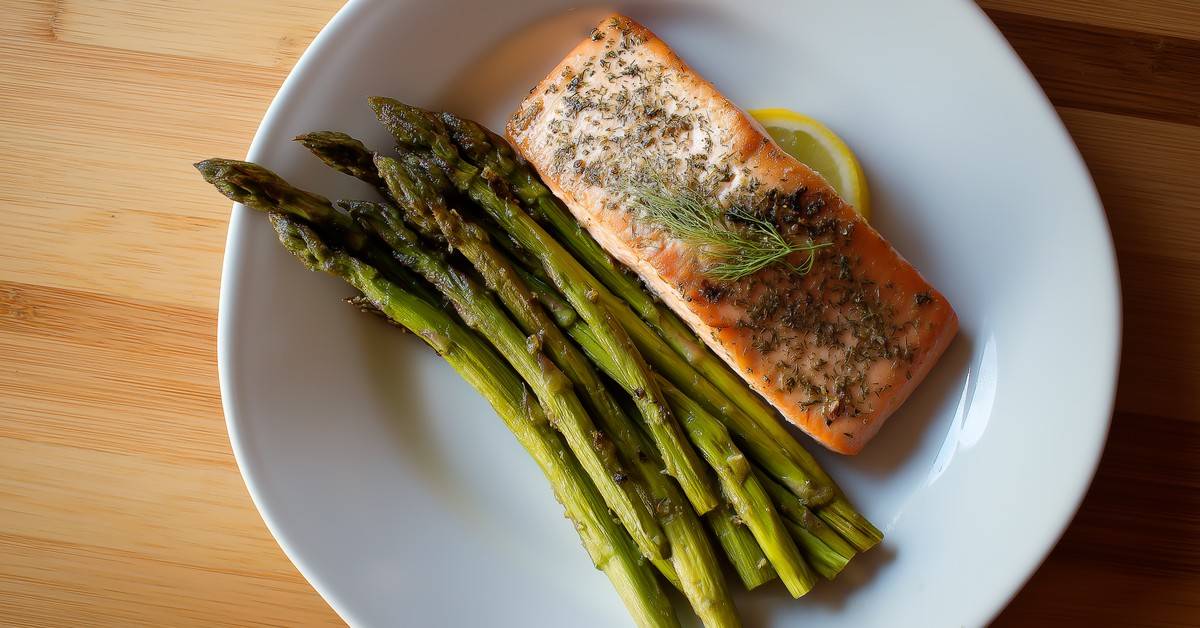
On a keto diet, you can eat foods high in healthy fats, moderate in protein, and low in carbohydrates, such as meat, fish, eggs, cheese, avocados, nuts, seeds, and non-starchy vegetables.
The 9 rules of keto include: limit carbs to 20-50g per day, focus on healthy fats, eat moderate protein, avoid processed foods, prioritize whole foods, incorporate non-starchy vegetables, drink plenty of water, track macros, and adjust based on personal goals.