
Written by: Aditi Koli, Content Writer
Reviewed & Edited by: Dr. Dooa Arif, Content Strategist
Estimated Reading Time: 8 minutes
TL;DR
Obstructive sleep apnoea (OSA) is a pervasive disorder that severely disrupts your sleep by causing repeated breathing interruptions due to airway blockages. These interruptions can lead to fragmented night’s rest, triggering a cascade of neurological and physical responses, resulting in fatigue, cognitive decline, and mood disturbances. While common symptoms like loud snoring and daytime sleepiness are often associated with OSA, the condition can manifest subtly, especially in women, where insomnia and fatigue may overshadow more obvious signs. Early self-assessment through symptom tracking, partner observations, and validated questionnaires can help individuals identify potential OSA, but a professional diagnosis is necessary for effective treatment.
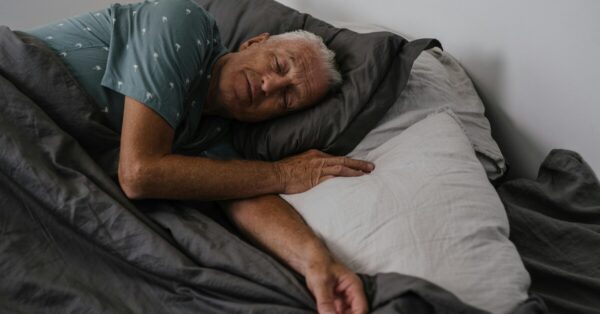
Obstructive sleep apnoea (OSA) operates like a persistent intruder in your nightly rest, repeatedly interrupting the natural rhythm of breathing. The hallmark characteristic involves repeated episodes where your airway becomes partially or completely blocked during nighttime, causing breathing to pause temporarily. These pauses can occur dozens or even hundreds of times throughout the night, though you might remain completely unaware of them.
The neurological cascade triggered by these breathing interruptions extends far beyond simple sleep disruption. Each pause in breathing triggers a stress response within your body, causing micro-awakenings that fragment your night’s rest architecture. Your brain must partially rouse itself to restore normal breathing, preventing you from reaching the restorative deep rest stages essential for cognitive function and physical recovery.
An estimated 936 million people aged 30–69 have mild to severe OSA globally¹.
Nighttime Warning Signs to Watch For
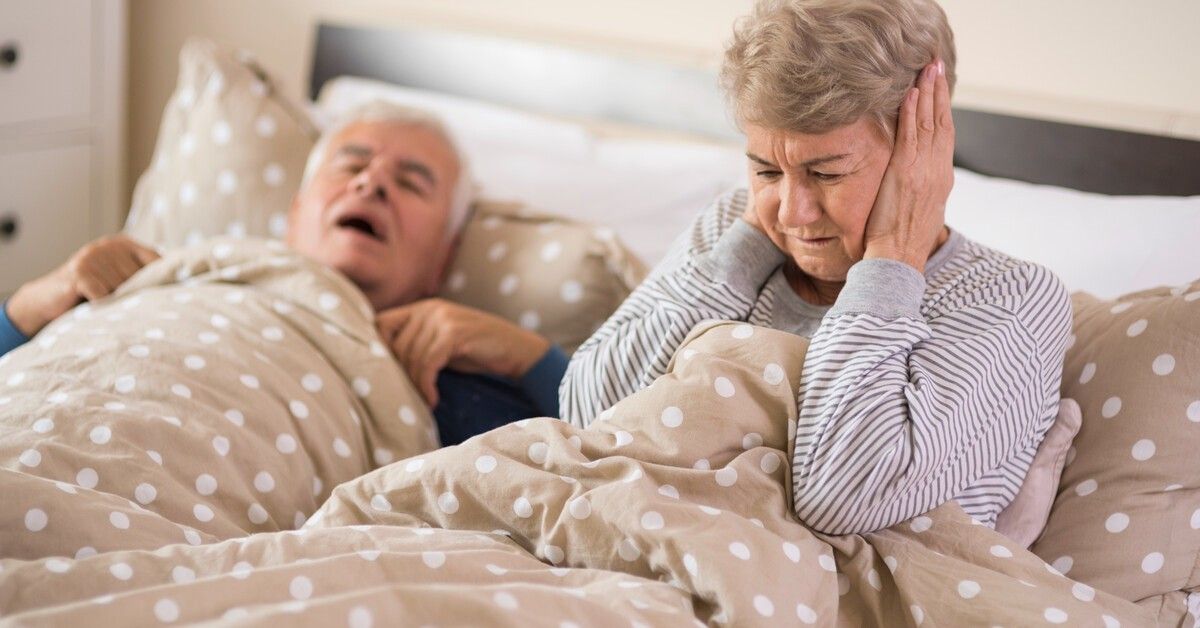
The nocturnal manifestations of this condition create a distinctive pattern that bed partners often notice before the affected individual. Loud, chronic snoring represents the most recognisable symptom, though not everyone who snores has this condition. The critical distinction lies in the pattern: snoring punctuated by silent pauses followed by gasping or choking sounds suggests airway obstruction.
Beyond audible symptoms, physical manifestations during nighttime provide additional clues:
- Restless with frequent position changes as the body instinctively attempts to open the airway
- Night sweats unrelated to room temperature resulting from the metabolic stress of repeated breathing interruptions
- Sudden awakenings with shortness of breath that may be mistaken for anxiety or heart palpitations
- Frequent nighttime urination caused by hormonal changes triggered by breathing disruptions
- Dry mouth or sore throat upon waking from breathing through the mouth during episodes
These symptoms often occur in clusters rather than isolation.
Key Takeaways: Loud snoring with breathing pauses represents the primary nighttime indicator. Physical symptoms including sweating, restlessness, and frequent urination occur during the night. Multiple symptoms typically present together rather than in isolation.
Daytime Symptoms That Signal Disrupted Nighttime Rest
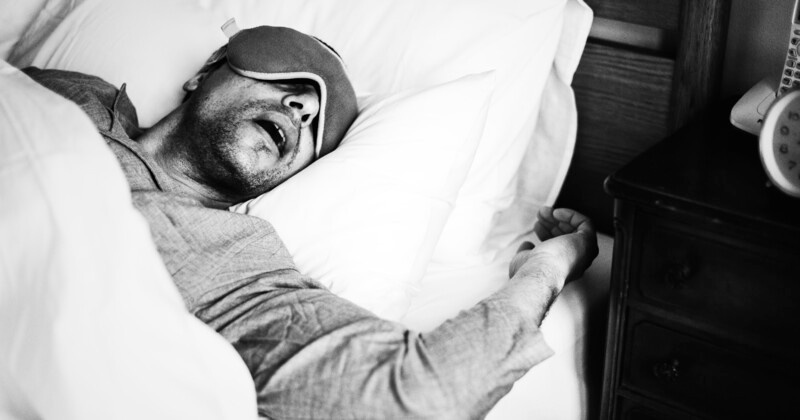
The consequences of fragmented rest extend prominently into waking hours, manifesting in ways that significantly impact quality of life. Excessive daytime sleepiness stands as perhaps the most debilitating symptom, creating an overwhelming urge to nap that persists regardless of apparent night rest duration. This fatigue differs qualitatively from ordinary tiredness – it feels pervasive and unrefreshing.
Cognitive symptoms deserve particular attention as they directly affect daily functioning. Concentration difficulties, memory problems, and reduced mental sharpness create challenges in professional and personal contexts. Many people describe feeling mentally “foggy” throughout the day, struggling with tasks that previously felt effortless.
Mood disturbances frequently accompany physical exhaustion. Irritability, mood swings, and feelings of depression can emerge as the brain struggles with chronic rest deprivation. These psychological symptoms often prompt individuals to seek help, inadvertently leading to sleep apnoea diagnosis during mental health assessments.
Morning symptoms provide additional diagnostic clues. Waking with headaches, particularly concentrated around the temples or forehead, suggests overnight oxygen fluctuations. Persistent dry mouth and sore throat upon waking indicate mouth breathing during nighttime rest episodes.
Key Takeaways: Excessive daytime sleepiness persists despite adequate time in bed. Cognitive impairment affects concentration, memory, and mental clarity. Morning headaches and dry mouth suggest overnight breathing difficulties.
How The Symptoms Present Themselves in Women
Understanding the symptoms in women requires recognising that classic presentations often differ from those typically associated with the condition. Women more frequently report subtler symptoms that may be dismissed or misattributed to other conditions, contributing to underdiagnosis in female populations.
Rather than the stereotypical loud snoring, women often experience milder, intermittent snoring that doesn’t always alarm bed partners. This pattern can lead healthcare providers to consider psychological causes rather than investigating potential sleep-disordered breathing.
Women frequently report symptoms that seem unrelated to sleep disorders, including morning headaches, fatigue despite seemingly adequate sleep, restless legs sensations, and mood disturbances. Hormonal factors influence symptom presentation and severity, with changes during pregnancy and menopause affecting risk and manifestation.
Key Takeaway: Women often experience subtler symptoms than the classic presentation.
Self-Assessment and Recognition Strategies
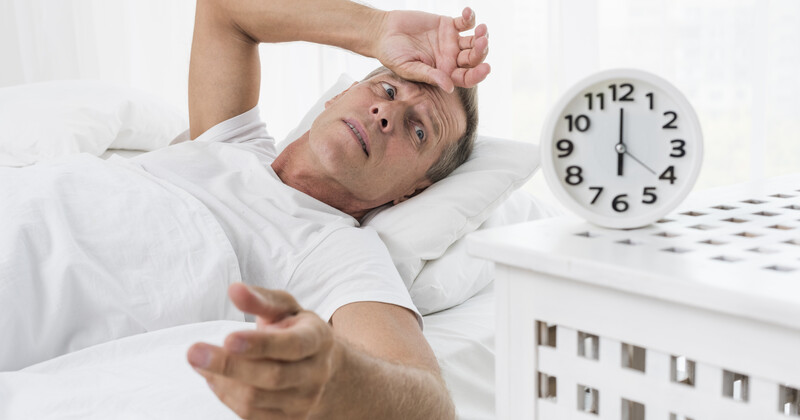
Developing awareness of potential OSA begins with systematic symptom tracking. CKS (Clinical Knowledge Summaries) guidelines emphasise the importance of recognising symptom patterns rather than isolated occurrences.
Maintaining a diary documenting nocturnal symptoms and daytime consequences creates valuable data for healthcare discussions. Partner observations provide crucial diagnostic information, particularly regarding breathing patterns during nighttime. Recording audio or video during night episodes, whilst respecting privacy and comfort, can capture evidence of breathing pauses and snoring patterns that occur during unconsciousness. Structured questionnaires offer validated self-assessment tools. The Epworth Sleepiness Scale quantifies daytime drowsiness, whilst condition-specific screening tools evaluate symptom clusters associated with disordered breathing. These instruments don’t replace professional diagnosis but help determine whether further evaluation is warranted.
Physical factors correlate with increased risk, including neck circumference, body weight, and anatomical features affecting airway size. However, symptoms can occur across all body types, emphasising that no one is immune based solely on physical characteristics.
In obstructive sleep apnoea, breathing stops and starts during sleep, which can reduce oxygen levels in the blood.
This intermittent oxygen deprivation can also lead to oxidative stress, a major factor that damages “mitochondria” – the cellular organelles that generate Adenosine Triphosphate (ATP), your body’s primary energy source. Over time, this damage can impair mitochondrial function, leading to further fatigue and difficulty with proper rest.
To better understand how mitochondrial dysfunction may be affecting your energy levels and sleep quality, the mescreen™ mitochondrial screening test offers a precise assessment as well.
Key Takeaways: Systematic symptom tracking aids recognition and healthcare discussions. Partner observations provide valuable information about nocturnal breathing patterns. Validated questionnaires help assess likelihood of sleep-disordered breathing.
FAQs
It is a sleep disorder where breathing repeatedly stops due to a blocked or collapsing airway during the night.
It is mainly caused by relaxed throat muscles, obesity, or structural airway issues that obstruct breathing during nighttime.
References
- Garvey, J. F., Pengo, M. F., Drakatos, P., & Kent, B. D. (2015). Epidemiological aspects of obstructive sleep apnea. Journal of Thoracic Disease, 7(5), 920–929. https://doi.org/10.3978/j.issn.2072-1439.2015.04.15 (PMC 4454867) https://pmc.ncbi.nlm.nih.gov/articles/PMC4454867/https://pmc.ncbi.nlm.nih.gov/articles/PMC4454867/#:~:text=Abstract,economic%20aspects%20to%20co%2Dmorbidity.
Get in Touch with Us
We’d love to hear from you—share your thoughts or ask a question!