

Written by: Aditi Koli, Content Writer
Reviewed & Edited by: Dr. Dooa Arif, Content Strategist
Estimated Reading Time: 8 minutes
TL;DR
Mitochondria are the powerhouse of your cells, converting food into energy and supporting various body functions like muscle contractions, nerve signaling, and heat generation. These tiny organelles have their own DNA, passed from mother to child, and are crucial for ATP production, particularly in energy-demanding organs like the brain and heart. As we age, mitochondrial function declines, affecting stamina and metabolism, but lifestyle choices such as regular exercise and proper nutrition can improve mitochondrial health. Testing mitochondrial efficiency can help optimise your vitality levels and detect issues before symptoms appear.
Why Your Energy Levels Depend on Mitochondria
Imagine having billions of tiny power stations inside your body, working constantly to fuel everything you do. That’s exactly what Mitochondria are – microscopic structures living inside nearly every cell, converting the food you eat into usable energy.
Mitochondrial function represents the foundation of your vitality, transforming nutrients from your meals into the energy currency your body understands and uses.
These sophisticated structures help regulate important chemical signals in your cells, control which cells should be renewed or removed, and support your metabolism in countless ways.
When your mitochondria work efficiently, you feel energised, think clearly, and recover quickly from physical activity. When they struggle, you might experience persistent tiredness, mental fog, or difficulty maintaining a healthy weight.
Inside Your Cellular Power Stations
The “Mitochondrial matrix function” happens in the innermost part of the said structures, where the real energy transformation magic occurs.
Picture this area as a busy factory floor filled with specialised workers-enzymes-that break down food molecules into smaller pieces, gradually extracting energy in a controlled, step-by-step process.
This inner compartment processes the carbohydrates, fats, and proteins from your diet, systematically dismantling them through pathways like the “Citric Acid Cycle”pathway. Whilst these scientific terms might sound intimidating, the concept is straightforward: your mitochondria take larger molecules and break them down into smaller units whilst capturing the released energy.
The mitochondrial matrix also contains its own genetic material and protein-making machinery, allowing these structures to function somewhat independently within your cells. This unique feature stems from their fascinating evolutionary history-mitochondria were once independent bacteria that formed a beneficial partnership with early cells millions of years ago.
The coordination between the matrix and the surrounding membrane structures ensures smooth energy production. Enzymes in the matrix create special carrier molecules that ferry energy to the membrane systems, where the final stages of energy creation occur. This teamwork exemplifies the elegant efficiency of mitochondrial design!
Key Takeaways: The mitochondrial matrix serves as the main workspace where food molecules get processed.

How Mitochondria Create Energy
Mitochondrial complex 1 function begins the final energy production pathway, often called the electron transport chain. Imagine a bucket brigade passing water to fight a fire—mitochondrial complexes pass electrons along a chain whilst simultaneously pumping particles called protons across a membrane. This creates a build-up of protons, similar to water building up behind a dam.
Your mitochondria use five major protein complexes working together in sequence:
- Complex I: Starts the electron relay whilst pumping protons to create initial pressure
- Complex II: Adds more electrons into the chain from a different starting point
- Complex III: Continues electron transport whilst pumping additional protons across the membrane
- Complex IV: Completes the electron journey by combining them with oxygen you breathe
- Complex V: Uses the built-up proton pressure to manufacture energy molecules
This coordinated process creates what scientists call a “Proton Gradient” – essentially stored energy waiting to be released. When protons flow back across the membrane through specially designed channels, that movement powers the creation of ATP (adenosine triphosphate), the energy currency every cell in your body uses for virtually everything it does.
Understanding mitochondrial complex 1 function and the entire chain helps explain why factors affecting any complex can reduce your overall ATP production. It’s like having one weak link in a chain-the entire system’s output suffers when any component underperforms.
Key Takeaways: Multiple complexes work together like an assembly line to extract maximum ATP.
The Genetic Blueprint of Energy Production
The mitochondrial genome function operates through its own small instruction manual separate from your main DNA. Each mitochondrion contains a tiny circular piece of genetic material that codes for thirteen essential proteins needed for ATP production, plus some additional components required for making those proteins.
What makes mitochondrial DNA special is that you inherit it exclusively from your mother! This means any variations or issues with mitochondrial genetics travel directly from mothers to all their children.
The mitochondrial genome has a higher rate of changes and mutations compared to your main DNA, partly because it sits very close to where energy production creates reactive oxygen molecules. These molecules can damage the genetic material if not properly managed by your body’s antioxidant systems.
Interestingly, whilst mitochondria have their own genes, they rely heavily on your cell’s main genetic control centre too.
Key Takeaways: Mitochondria possess their own genetic material coding for crucial energy proteins. You inherit your mitochondrial DNA exclusively from your mother’s side.
Understanding Mitochondrial Membranes
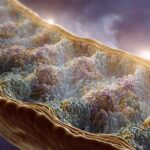
Mitochondrial membrane function involves two separate layers creating distinct compartments with different roles. The outer membrane acts like a semi-permeable fence, whilst the highly folded inner membrane serves as the main workspace where ATP production complexes sit.
These inner membrane folds, called cristae, dramatically increase the available surface area-like crumpling paper to fit more surface into a small space. This design allows each mitochondrion to pack in thousands of ATP-producing protein complexes, maximising power output from minimal space.
The inner membrane’s selective barrier property creates the essential conditions for ATP production. By controlling what crosses this membrane, mitochondria build up that crucial “Proton Gradient” mentioned earlier. When protons flow back through specialised channels, that movement directly powers the creation of ATP molecules your cells use.
Key Takeaways: Membrane quality and composition directly affect mitochondrial efficiency.
Mitochondria’s Role Throughout Your Body
The mitochondria function in human body varies depending on which organs and tissues we’re discussing.
- Your heart and brain contain extraordinarily high concentrations of mitochondria because these organs demand constant, substantial energy. Even slight mitochondrial problems in these energy-hungry tissues can noticeably affect how you feel and function daily.
- Beyond making energy, mitochondria help regulate calcium levels in your cells, which influences muscle contractions, nerve signalling, and numerous other processes. They participate in heat generation, especially in specialised brown fat tissue that helps maintain body temperature.
- Mitochondria even help determine when damaged cells should be removed and replaced, protecting your tissues from accumulating dysfunctional cells.
- As we age, mitochondrial performance naturally tends to decline, contributing to reduced stamina, increased cellular stress, and decreased metabolic flexibility. However, research shows that lifestyle choices powerfully influence mitochondrial health. Regular physical activity, smart eating patterns, and certain nutrients can stimulate the creation of new mitochondria and improve existing ones, even later in life.
To sum up, mitochondrial dynamics are crucial for optimal function: disrupted dynamics are directly implicated in diseases including metabolic, neurodegenerative and cardiovascular disorders¹.
Key Takeaways: Lifestyle factors profoundly influence mitochondrial health throughout your lifespan.
Testing Your Cellular Energy Production
Mitochondrial function assays provide measurable information about how efficiently your cells produce energy. Modern wellness approaches increasingly incorporate these assessments, offering personalised insights into your metabolic efficiency and potential issues before you develop noticeable symptoms.
Mitochondrial Testing might measure how much oxygen your cells consume, how much ATP they produce, or how tightly coupled these processes are. These measurements reveal whether your mitochondria efficiently convert nutrients into ATP or whether some inefficiency is evident.
Want deeper insights into your cellular powerhouses? Consider exploring comprehensive mitochondrial efficiency testing that evaluates how well your cells breathe, handles oxidative stress, and adapts to different fuel sources. These assessments provide concrete data you can use to optimise your nutrition choices, exercise programmes, and lifestyle habits specifically targeting improved mitochondrial performance and preventing impending health complications, thus boosting life expectancy.
Key Takeaways: Functional testing quantifies mitochondrial efficiency with measurable metrics.

FAQs
Foods high in processed sugars, trans fats, and refined carbohydrates can damage mitochondria by promoting oxidative stress and inflammation.
Mitochondria play a key role in ageing by gradually losing their efficiency in energy production, leading to cellular damage and increased oxidative stress over time.
References
- Chen, W., Zhao, H., & Li, Y. (2023). Mitochondrial dynamics in health and disease: mechanisms and potential targets. Signal Transduction and Targeted Therapy, 8, Article 333. https://doi.org/10.1038/s41392-023-01547-9
Get in Touch with Us
We’d love to hear from you—share your thoughts or ask a question!