


Written by: Aditi Koli, Content Writer
Reviewed & Edited by: Dr. Dooa Arif, Content Strategist
Estimated Reading Time: 7 minutes
TL;DR
Persistent sleepiness is more than just a minor inconvenience-it’s a complex issue that often signals deeper underlying factors, from hormonal changes during perimenopause to the neurological effects seen in conditions like Parkinson’s disease. It is important to understand the many causes of sleepiness, including fatigue after exercise or afternoon energy slumps. What stands out is that sleepiness shouldn’t be dismissed as normal; rather, it’s an opportunity to identify lifestyle adjustments or health concerns that may be affecting energy levels.
Understanding the Sleepiness Problem
We’ve all experienced those days when keeping our eyes open feels like an Olympic sport. But when drowsiness becomes your constant companion, it’s time to investigate what’s really going on beneath the surface.
The problem isn’t simply about not getting enough shut-eye. It’s a complex interplay of physical, psychological, and environmental factors that can transform even the most energetic person into someone who fantasises about their bed by mid-morning. Understanding this distinction is crucial because treating garden-variety tiredness with more coffee won’t address deeper underlying issues.
Modern life bombards us with rest disruptors. Blue light from screens, irregular eating patterns, stress, and sedentary lifestyles all contribute to our collective exhaustion. Yet some people experience drowsiness that goes beyond these common culprits, pointing to more specific causes that deserve attention.
Research has estimated that up to 18% of the adult community experiences excessive daytime sleepiness¹.
The Mystery of Sleepiness in the Afternoon
That post-lunch energy slump isn’t just in your head-sleepiness in the afternoon has genuine biological underpinnings. Your circadian rhythm naturally dips during early afternoon, making you feel drowsy regardless of your lunch choices.
This afternoon lull occurs because your body temperature slightly decreases, and adenosine (a dozing-promoting chemical) accumulates in your brain throughout the day. By afternoon, levels are high enough to trigger drowsiness, even if you’ve slept well the previous night.
Heavy, carbohydrate-rich lunches exacerbate this natural dip by triggering insulin release and affecting neurotransmitter production. Blood rushes to your digestive system, temporarily leaving less oxygen for your brain, amplifying that foggy, drowsy sensation.
Conquering the Afternoon Slump
- Take a brief walk after lunch to boost circulation and alertness
- Choose balanced meals with protein, healthy fats, and complex carbohydrates
- Schedule demanding tasks for morning when energy naturally peaks
- Try a short power nap if circumstances allow
- Stay hydrated throughout the day
Key Takeaways: Afternoon drowsiness stems from natural circadian rhythm patterns. Food choices and meal timing significantly impact afternoon energy levels.
Distinguishing Sleepiness From Fatigue: Two Sides of Exhaustion
Drowsiness represents your body’s drive to rest. It’s that heavy-eyed, nodding-off sensation where you could drift away given the slightest opportunity. Fatigue, conversely, manifests as overall exhaustion, weakness, and lack of energy, even when you’re not particularly drowsy.
Drowsiness can often be linked to mitochondrial dysfunction, as mitochondria are responsible for producing the energy our cells need to function. When mitochondria aren’t working efficiently, it can result in low energy levels, fatigue, and increased sleepiness. This inefficiency impacts the body’s ability to maintain proper energy production, leading to disrupted sleep cycles, poor quality of rest, and a feeling of constant tiredness, which may worsen over time if left unaddressed.
If persistent sleepiness may stem from mitochondrial inefficiency, consider checking your cellular energy health with the mescreen™ mitochondrial test kit to uncover underlying causes and personalised insights.
Key Takeaways: Drowsiness and fatigue are related but distinct conditions requiring an investigative approach.

Sleepiness After Exercise: When Movement Makes You Drowsy
Intense exercise depletes glycogen stores, leaving your body temporarily energy-depleted. Your muscles require recovery, and your body may interpret this need as a signal to rest. Additionally, exercise triggers endorphin and serotonin release, which can produce a calming, sleep-promoting effect once the initial endorphin rush subsides.
Dehydration plays a significant role too. Even mild fluid loss impairs cognitive function and increases fatigue. If you’re not properly fuelled before exercise or adequately replenishing afterwards, post-workout dozing becomes inevitable.
Key Takeaways: Post-exercise drowsiness often results from energy depletion and recovery needs.
Sleepiness in Perimenopause: The Hormonal Connection
For women navigating their forties and fifties, sleepiness perimenopause represents a particularly challenging phase. The hormonal rollercoaster of perimenopause doesn’t just bring hot flushes and mood swings-it fundamentally disrupts your night time rest architecture.
Oestrogen and progesterone, those mighty hormones that have orchestrated your monthly cycles for decades, begin their erratic dance during perimenopause. This hormonal fluctuation directly impacts nighttime rest quality, making it harder to fall asleep, stay asleep, and achieve the deep, restorative rest your body craves.
Night sweats wake you repeatedly, leaving you exhausted despite spending adequate hours in bed. Your body’s temperature regulation goes haywire, and suddenly that perfect rest environment becomes impossible to maintain.
Breaking the Cycle
Managing drowsiness owing to perimenopause requires a multifaceted approach:
- Create a cool environment with breathable bedding
- Establish consistent sleep-wake times to regulate your body clock
- Consider natural remedies like black cohosh or evening primrose oil
- Practice relaxation techniques before bedtime
- Limit caffeine and alcohol, especially in the evening
Key Takeaways: Hormonal changes during perimenopause significantly disrupt your slumber patterns. Night sweats and temperature dysregulation contribute to poor rest quality.
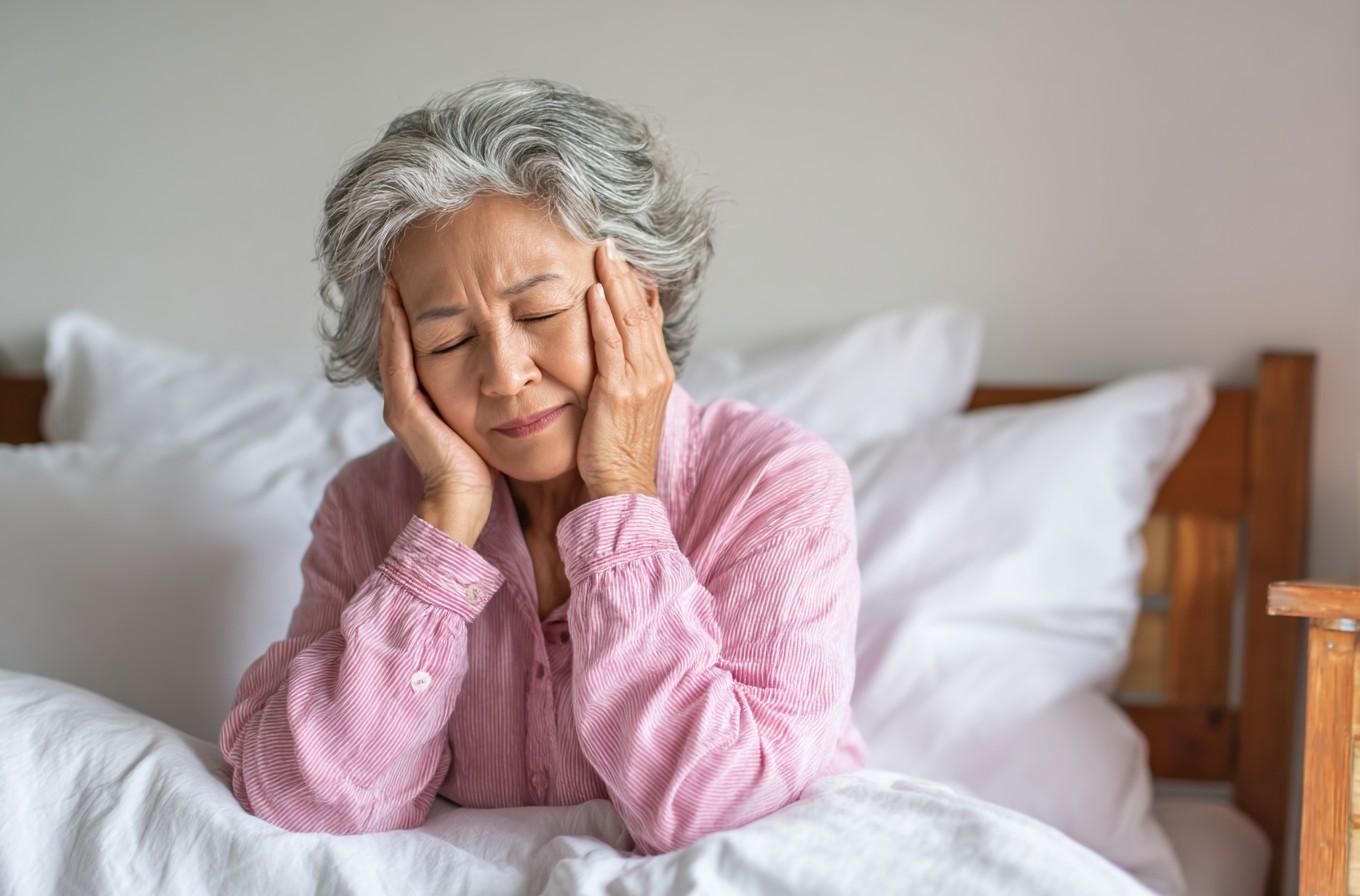
Sleepiness in Parkinson Disease: A Neurological Perspective
People living with Parkinson’s often experience excessive daytime drowsiness, sometimes falling asleep suddenly without warning. This isn’t mere tiredness; it’s a neurologically-driven phenomenon where the brain’s arousal systems malfunction. The medications used to manage Parkinson’s symptoms can paradoxically worsen this drowsiness, creating a complex treatment puzzle.
Additionally, Parkinson’s disrupts REM sleep, causing vivid dreams or nightmares that fragment rest. Restless legs, periodic limb movements, and the inability to turn over in bed all contribute to poor rest quality, feeding daytime drowsiness.
Key Takeaways: Parkinson’s disease affects brain systems controlling sleep-wake cycles. Medication side effects can contribute to excessive daytime drowsiness.
FAQs
Excessive sleepiness is commonly caused by poor sleep quality, sleep disorders, medical conditions, medications, or lifestyle factors such as stress and irregular sleep patterns.
Sleepiness can be reduced by getting adequate quality sleep, maintaining a regular sleep schedule, staying physically active, and managing stress and hydration.
References
- Slater, G. (2012). Excessive daytime sleepiness in sleep disorders. Journal of Thoracic Disease, 4(6), 608‑616. https://www.ncbi.nlm.nih.gov/pmc/articles/PMC3506799/
Get in Touch with Us
We’d love to hear from you—share your thoughts or ask a question!