Written By: Aditi Koli, Healthcare Content Writer
Reviewed and Edited by: Dr. Dooa, Senior Content Editor
Estimated Reading Time: 6 minutes
TL;DR
Stanford Medicine researchers have achieved a groundbreaking milestone in Type 1 Diabetes treatment by successfully curing the condition in laboratory mice through an innovative dual-transplant approach. This revolutionary therapy combines blood stem cells with insulin-producing pancreatic islet cells, creating a hybrid immune system that stops autoimmune attacks whilst eliminating the need for lifelong immune-suppressing medications. The technique employs clinical tools already used in standard medical practice, bringing human trials tantalizingly within reach and potentially transforming treatment paradigms not only for diabetes but also for various autoimmune conditions and organ transplantation.
Type 1 diabetes represents one of medicine’s most frustrating autoimmune puzzles. The body’s immune system, designed to protect against threats, inexplicably turns against itself and destroys the insulin-producing islet cells nestled within the pancreas. These tiny cellular powerhouses are responsible for regulating blood sugar levels, and their destruction leaves patients dependent on lifelong insulin therapy.
Traditional treatment approaches have focused on managing symptoms rather than addressing the root cause. Patients face daily insulin injections, constant blood sugar monitoring, and the ever-present risk of dangerous complications. Even islet cell transplantation, whilst promising, requires recipients to take immune-suppressing drugs indefinitely to prevent their bodies from rejecting the donated cells.
The Stanford research team recognised that solving type 1 diabetes required addressing two fundamental problems simultaneously: replacing the destroyed islet cells whilst resetting the immune system to prevent it from launching further attacks. This dual challenge had stumped researchers for decades, until now!
The Revolutionary Dual-Transplant Approach
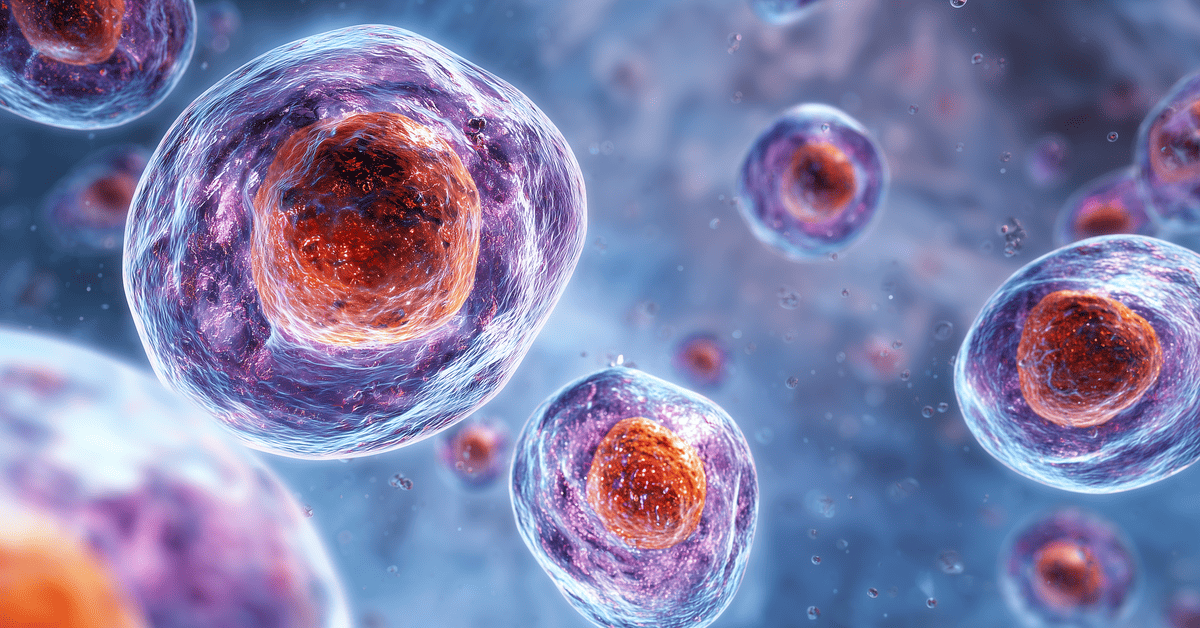
This Stanford breakthrough centres on an elegantly simple yet profoundly effective strategy. Rather than attempting a single transplant, researchers perform two coordinated procedures that work in beautiful harmony. The first involves transplanting blood-forming stem cells from a donor, whilst the second introduces fresh insulin-producing islet cells from the same donor.
What makes this approach particularly remarkable is the preparation phase. Before transplantation, researchers gently condition the recipient’s body using low-dose radiation, targeted antibodies, and specific medications already employed in standard clinical practice. This gentle preparation creates an environment where both the recipient’s original immune cells and the donor’s immune cells can coexist peacefully.
The study demonstrated spectacular results across all tested animals. Every single mouse that received the treatment either avoided developing type 1 diabetes entirely or experienced complete reversal of established disease. These animals maintained normal blood sugar levels throughout the entire observation period without requiring insulin injections or immune-suppressing drugs.
How the Hybrid Immune System Works
The true genius of this stem-cell based therapy lies in creating what researchers call a hybrid immune system. Think of it as teaching two different security teams to work together harmoniously rather than fighting each other. The recipient’s immune system learns to recognise the donor cells as friendly colleagues rather than foreign invaders.
This hybrid immunity serves multiple protective functions:
- Prevents rejection of transplanted islet cells by treating them as self-tissue.
- Stops autoimmune attacks that would otherwise destroy insulin-producing cells.
- Maintains normal immune function against actual threats like infections.
- Eliminates the dangerous graft-versus-host disease where donor immune cells attack recipient tissues.
- Creates lasting tolerance without requiring lifelong medication.
The hybrid system proved remarkably robust during testing. Treated animals showed completely normal immune responses when exposed to infections, successfully bred and produced healthy offspring, and demonstrated no signs of immune dysfunction. Their bodies had genuinely accepted the new cellular residents as permanent, welcomed members of the biological community.
Breaking Through Autoimmune Barriers
Previous research had successfully prevented diabetes in mice where the condition was artificially induced through toxins. However, the current study tackled a far more challenging scenario: genuine autoimmune diabetes that develops spontaneously, closely mirroring human type 1 diabetes.
Autoimmune diabetes presents a double challenge for transplanted islet cells. Not only must they avoid rejection as foreign tissue, but they must also survive an immune system specifically programmed to destroy any insulin-producing cells it encounters, regardless of origin. The transplanted cells essentially have two targets painted on their backs.
The researchers discovered that mice prone to autoimmune diabetes required an additional component in their preparatory treatment. By adding a medication already used to treat autoimmune diseases to the conditioning regimen, they successfully created the hybrid immune system in every treated animal. This simple modification proved transformative, enabling the therapy to work flawlessly even in the most challenging cases.
From Laboratory Success to Clinical Reality
Perhaps the most exciting aspect of this research is its proximity to human application. Every antibody, medication, and radiation dose used in the mouse studies already exists in standard clinical practice for blood stem cell transplantation. The researchers aren’t proposing experimental treatments requiring years of safety testing; they’re repurposing established medical tools in an innovative combination.
This foundation builds upon earlier Stanford work demonstrating that partially matched bone marrow transplants could create hybrid immune systems in kidney transplant recipients. Some patients maintained healthy kidney function for decades without needing rejection-prevention drugs, proving the concept works in humans for organ transplantation.
The research team emphasises that translating these findings into human trials represents a realistic and achievable next step. The gentle conditioning approach reduces risks to levels where patients with type 1 diabetes would feel comfortable undergoing treatment, especially compared to the burden of lifelong insulin dependence and potential complications.
Current challenges include sourcing adequate human islet cells for transplantation. Researchers are investigating whether functional islet cells could be created in laboratories from pluripotent stem cells or whether small populations of human islet cells might be expanded to produce sufficient quantities for transplantation.
References
Bhagchandani, P., Ramos, S. A., Rodriguez, B., Gu, X., Pathak, S., Zhou, Y., Moon, Y., Nourin, N., Chang, C. A., Poyser, J., Velasco, B. J., Zhao, W., Kwon, H.-S., Rodriguez, R., Burgos, D. M., Miranda, M. A., Meyer, E., Shizuru, J. A., & Kim, S. K. (2025). Curing autoimmune diabetes in mice with islet and hematopoietic cell transplantation after CD117 antibody-based conditioning. Journal of Clinical Investigation, 2025. https://doi.org/10.1172/JCI190034
Get in Touch with Us
We’d love to hear from you—share your thoughts or ask a question!