

Mindfulness Meditation Retreat: The Wellness Hack Celebs Hide

Written by: Aditi Koli, Content Writer
Reviewed & Edited by: Dr. Dooa Arif, Content Strategist
Estimated Reading Time: 8 minutes
TL;DR
Mindfulness meditation retreats offer transformative experiences that go beyond traditional vacations by prioritizing inner growth over external distractions. They provide immersive environments for deepening mindfulness practice through structured sessions and periods of silence. Silent retreats, in particular, allow participants to observe their thoughts and emotional patterns with unprecedented clarity, leading to profound self-awareness. These retreats not only enhance mental well-being but also help in integrating mindfulness into daily life, making it a long-lasting tool for reducing stress and improving focus. Such retreats, including those in the UK, offer diverse environments, from tranquil countryside settings to spiritual centres, ensuring there’s a retreat style for everyone. The lasting benefits of these retreats, when coupled with a consistent post-retreat practice, can lead to improved emotional and physical well-being over time.
A mindfulness meditation retreat offers dedicated time away from daily distractions to deepen your contemplative practice. Unlike typical holidays, these transformative, luxurious experiences prioritise inner exploration over external entertainment. Participants engage in structured mindfulness meditation practice sessions, guided instruction, and periods of silent reflection designed to cultivate present-moment awareness.
These wholesome retreats create optimal conditions for developing concentration and insight.
The immersive environment removes common obstacles to consistent practice – endless to-do lists, digital notifications, and social obligations temporarily fade into the background. Instead, you’re surrounded by like-minded individuals and experienced teachers who support your journey toward greater self-awareness.
Why Retreats Accelerate Growth
Intensive practice periods reveal patterns in your thinking that casual meditation might miss. When practising mindfulness meditation yoga sequences or sitting meditation for extended periods, subtle mental habits become remarkably visible. This heightened awareness allows you to work with challenging emotions, physical discomfort, and restless thoughts more effectively than brief daily sessions permit.
A mindfulness meditation retreat helps those with health conditions too. A 2024 analysis found that mindfulness-based stress reduction (MBSR) significantly reduced anxiety, depression, and perceived stress compared to other control cardiovascular health wellness therapies¹.
The Silent Meditation Retreat Experience
What is a silent meditation retreat? These profound experiences involve maintaining noble silence – refraining from verbal communication, eye contact, gestures, and reading or writing. This practice directs attention inward, eliminating the mental energy typically spent on social interaction and external stimulation.
Silent retreats initially challenge most participants. The absence of conversation amplifies internal dialogue, making the constant stream of thoughts surprisingly loud. However, this heightened awareness represents precisely why silence proves so valuable. Without external distractions, you observe your mind’s habitual patterns with unprecedented clarity.
The Benefits of Silence
As days progress, something remarkable occurs. Physical sensations become more vivid during silent periods. You notice subtle body tensions, the rhythm of breathing, and how emotions manifest physically. This somatic awareness proves invaluable for recognising stress signals in everyday life.
The mind gradually quietens, revealing spaciousness beneath the mental chatter. Participants – some of whom are even world-renowned celebrities – often report experiencing profound peace, emotional release, and insights about longstanding life challenges.
Key Takeaways: Noble silence eliminates social distractions to focus attention entirely inward. Extended silence cultivates profound peace and self-awareness over several days.

Choosing Your Ideal Retreat Location
Consider these factors when selecting your retreat:
- Teacher qualifications: Experienced instructors provide invaluable guidance through challenging moments
- Retreat duration: Beginners might start with weekend retreats before attempting week-long intensives
- Practice style: Some centres emphasise sitting meditation whilst others integrate mindfulness meditation yoga
- Accommodation standards: Options range from simple dormitories to private rooms with grand ensuite facilities
- Dietary considerations: Most retreats offer vegetarian meals supporting meditation practice
Research about the respective meditation and retreat centre philosophy of prospective locations. Some follow specific Buddhist traditions whilst others offer secular mindfulness approaches. Neither proves inherently superior – choose whatever resonates with your personal beliefs and practice goals.
Key Takeaways: Teacher qualifications and retreat duration should match your experience level. Consider whether traditional Buddhist or secular approaches align with personal values.
What to Expect During Your Stay
Daily schedules typically begin early, often around 6:00 AM with morning meditation. The structured routine includes alternating sitting and walking meditation sessions, mindfulness meditation yoga classes, dharma talks exploring meditation principles, and dedicated rest periods.
A Typical Day Structure
Morning sessions focus on building concentration through breath awareness or body scanning techniques. Afternoon periods might incorporate mindful movement practices, gentle yoga, or walking meditation through natural surroundings. Evening sessions often feature teaching talks followed by question-and-answer opportunities.
Meals become meditation practices themselves. Mindful eating involves savouring each bite, noticing flavours and textures, and observing hunger and satisfaction signals. This transforms routine nourishment into awareness training that translates beautifully into post-retreat life.
Challenges inevitably arise – physical discomfort during long sitting periods, emotional releases as suppressed feelings surface, or profound boredom as entertainment withdrawal occurs. Skilled teachers help participants work skilfully with these experiences rather than avoiding them.
Key Takeaways: Structured daily schedules alternate between sitting, walking, and movement meditation practices. Meals and everyday activities become opportunities for mindfulness training. Teachers provide crucial support when physical or emotional challenges arise.
Integrating Mindfulness Into Daily Life
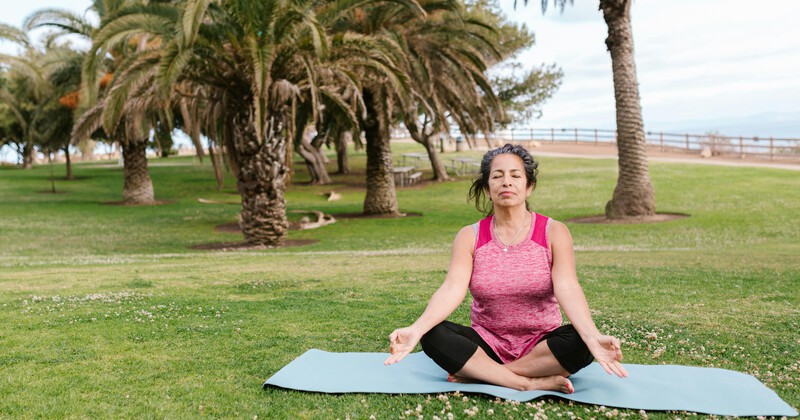
The retreat’s true value emerges through post-retreat integration. Participants often experience initial euphoria followed by reality as daily responsibilities resume. Successful integration requires establishing sustainable mindfulness meditation practice routines that honour retreat insights whilst accommodating real-world constraints.
- Start modestly – fifteen minutes daily proves more valuable than ambitious hour-long sessions you’ll abandon within weeks.
- Designate a specific meditation space, even just a cushion in a quiet corner.
- Consistency matters more than duration for maintaining the clarity and calm cultivated during retreat.
- Consider joining local meditation groups or online sanghas (spiritual communities) providing ongoing support. Regular contact with fellow practitioners helps sustain motivation when enthusiasm wanes.
- Many find that periodic retreat attendance – perhaps annually or biannually – refreshes their practice and deepens understanding.
- Apply mindfulness beyond formal sitting. Incorporate brief awareness practices during routine activities: mindful teeth brushing, conscious breathing whilst commuting, or single-tasking rather than constant multitasking. These micro-practices weave retreat benefits throughout everyday existence.
Key Takeaways: Post-retreat integration requires establishing realistic daily practice routines. Informal mindfulness practices during daily activities extend retreat benefits.
FAQs
A short meditation retreat can be a great way to rejuvenate your mind, deepen your practice, and experience mindfulness in a peaceful setting.
When choosing a meditation retreat in the UK, consider factors like the style of meditation, location, retreat length, and the qualifications of the instructors.
References
- Manan, H. A., Mir, I. A., Humayra, S., Tee, R. Y., & Thazhakkattu Vasu, D. (2024). Effect of mindfulness‑based interventions on anxiety, depression, and stress in patients with coronary artery disease: A systematic review and meta‑analysis of randomized controlled trials. Frontiers in Psychology, 15. https://www.frontiersin.org/journals/psychology/articles/10.3389/fpsyg.2024.1435243/full