

Written by: Aditi Koli, Healthcare Content Writer
Reviewed and Edited by: Dr. Dooa, Senior Content Editor
Estimated Reading Time: 7 minutes
TL;DR (Quick Summary)
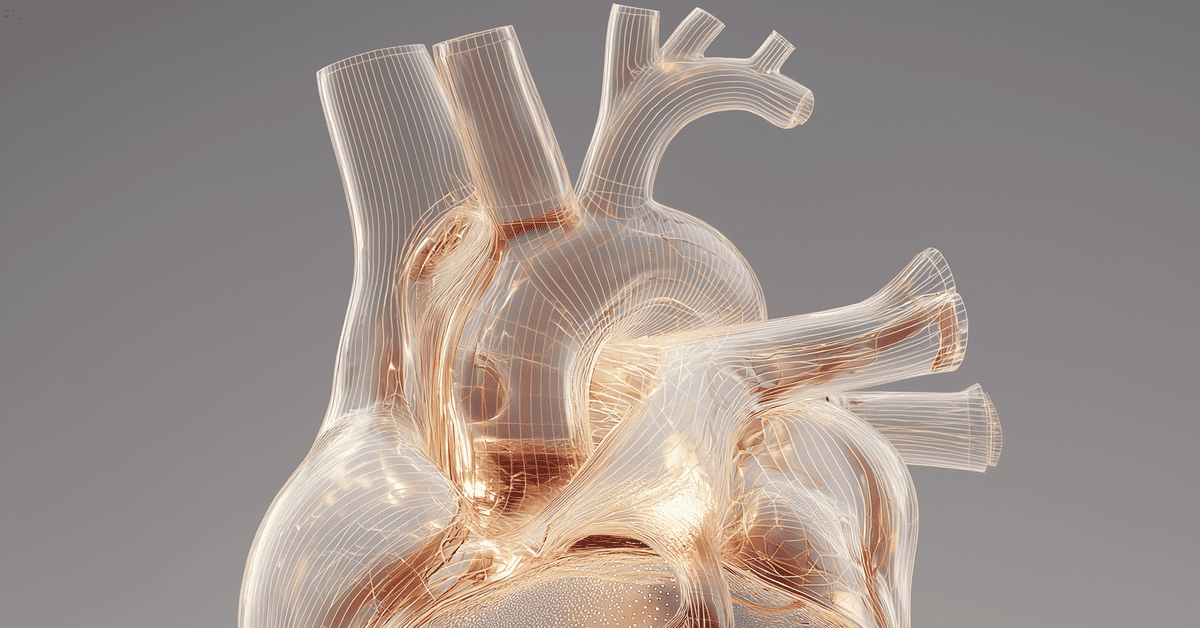
Hyperbaric Oxygen Therapy (HBOT) has emerged as a fascinating intervention for cardiac health, working through a surprising mechanism involving controlled stress. Recent research reveals that exposing heart cells to pressurised oxygen triggers a remarkable cascade of cellular adaptations, boosting mitochondrial biogenesis and enhancing energy production.
This discovery helps explain why hyperbaric therapy shows promise for conditions like carbon monoxide poisoning and ischemia-reperfusion injury, offering insights into how strategic oxidative stress can actually strengthen our cellular powerhouses rather than damage them.
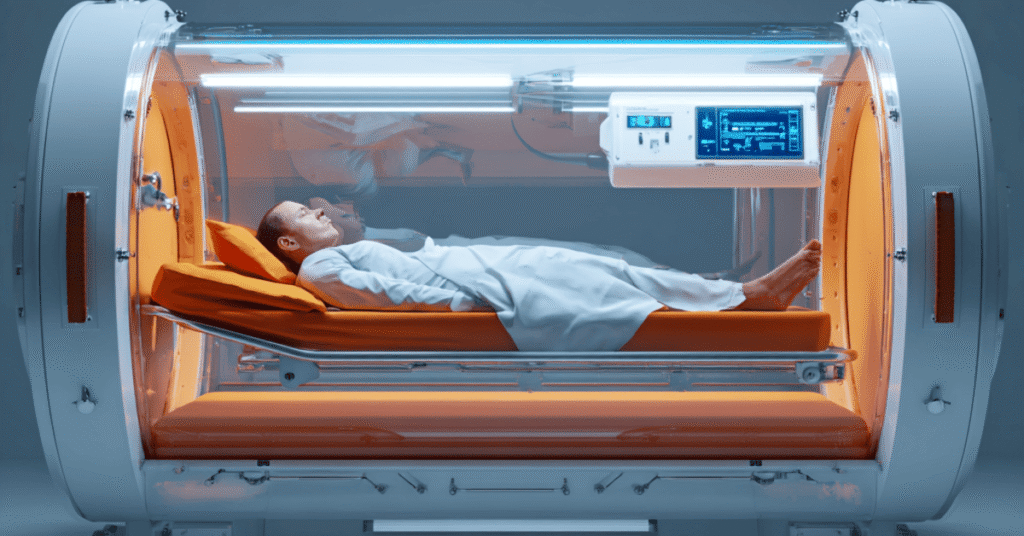
Hyperbaric oxygen therapy involves breathing pure oxygen whilst inside a pressurised chamber, dramatically increasing the amount of oxygen dissolved in your bloodstream. This therapeutic approach has been employed for decades to treat various medical conditions, yet the precise mechanisms behind its benefits have remained somewhat mysterious.
The therapy essentially floods your tissues with oxygen at levels far beyond what you’d experience during normal breathing. Whilst this might sound potentially harmful, research today suggests that when applied correctly, this controlled exposure triggers beneficial adaptive responses within cells. Heart cells, or cardiomyocytes, become particularly interesting subjects for the study because they’re energy-hungry tissues that rely heavily on oxygen for function.
Scientists have recently developed specialised chamber systems that precisely control temperature, humidity, and pressure to study cellular responses to hyperbaric conditions. This allows researchers to observe direct effects on individual cells rather than simply measuring outcomes at the whole-body level.
They Observed The Oxidative Stress Paradox
When heart cells were exposed to hyperbaric oxygen, something counterintuitive happened. The treatment initially increased production of reactive oxygen species – molecules that we typically associate with cellular damage and ageing. These free radicals appeared in both the main cell body and within the mitochondria themselves.
However, rather than causing harm, this controlled oxidative stress acted as a biological alarm system. The cells interpreted this surge in reactive oxygen species as a signal that they needed to strengthen their defences and improve their resilience. It’s rather like how controlled exercise creates temporary stress on muscles, which then adapt by becoming stronger.
This stress response triggered upregulation of specific cellular defence proteins, including growth differentiation factor and fibroblast growth factor. These molecules served as cellular messengers, coordinating a broader protective response throughout the heart cell. The initial stress became the catalyst for positive adaptation.
Mitochondrial Biogenesis and Cardiac Function
The most remarkable discovery involved what happened to mitochondria – the organelles responsible for generating cellular energy. Hyperbaric oxygen exposure activated key signalling pathways that promote mitochondrial biogenesis, essentially encouraging cells to build more of these energy-producing structures.
One crucial pathway involved nuclear factor erythroid-2-related factor 2, which orchestrated antioxidant defence systems. When activated, this molecular switch turned on genes that produce protective enzymes, helping cells neutralise reactive oxygen species before they cause damage. Think of it as upgrading your cellular security system in response to a potential threat.
Another important player was peroxisome proliferator-activated receptor-gamma coactivator-1α, often considered the master regulator of mitochondrial biogenesis. This protein coordinates the complex process of creating new mitochondria and improving the function of existing ones. When hyperbaric oxygen activated this pathway, it was like giving your cells permission to expand their energy production capacity.
The combined effect of these pathways resulted in:
- Enhanced mitochondrial membrane potential, indicating healthier, more energised mitochondria
- Increased oxygen consumption rates, suggesting more efficient cellular respiration
- Elevated adenosine triphosphate (ATP) production, providing cells with more usable energy
- Improved mitochondrial organisation and structure
- Better coordination of energy metabolism within heart cells
How Heart Cells Responded to Pressurised Oxygen
Researchers observed fascinating functional changes in heart cells following hyperbaric oxygen exposure. Using specialised imaging techniques, they discovered that treated cells showed increased numbers of spontaneously beating clusters – a sign of improved cardiac cell function and vitality. While clinical studies are needed to confirm its effects on heart disease risk reduction and life expectancy parameters, the results are promising for future research in this area.
The mitochondrial membrane potential, essentially the electrical charge difference across mitochondrial membranes, became more robust after treatment. This voltage gradient drives ATP synthesis, so a stronger potential means more efficient energy production. It’s comparable to having a more powerful battery that can deliver energy more effectively.
Cellular respiration – the process by which cells convert nutrients and oxygen into usable energy – became notably more efficient. Heart cells demonstrated enhanced capacity to consume oxygen and generate ATP, the universal energy currency of cells. This improved metabolic efficiency means cells could perform their functions whilst maintaining better energy reserves.
The structural organisation of mitochondria also improved, with better coordination between different mitochondrial components. This enhanced organisation allowed for smoother energy production workflows within cells, reducing metabolic bottlenecks and improving overall cellular performance.
The Double-Edged Sword of HBO Therapy
Whilst the research revealed promising benefits, it also highlighted an important caveat. When heart cells with pre-existing mitochondrial dysfunction were exposed to hyperbaric oxygen, the results weren’t as favourable. Cells that had been treated with substances that impair mitochondrial function showed further deterioration under hyperbaric conditions.
This suggests that hyperbaric oxygen therapy works best when cells maintain a baseline level of mitochondrial health. The controlled stress of increased oxygen can strengthen healthy mitochondria, but it may overwhelm already-compromised cellular energy systems. It’s similar to how an appropriate exercise programme benefits healthy individuals but might harm someone with severe underlying health conditions.
The findings emphasised the importance of proper patient selection for hyperbaric oxygen therapy. Individuals with severely compromised mitochondrial function identified via mitochondrial testing might need alternative approaches or careful monitoring during treatment. This nuanced understanding helps explain why hyperbaric therapy benefits some conditions whilst potentially complicating others.
The research also revealed that timing and dosage matter significantly. The duration of exposure, the pressure levels used, and the frequency of treatments all influence outcomes. Too little exposure might not trigger beneficial adaptations, whilst excessive exposure could overwhelm cellular defences.
References
Young, H.‑Y., Lee, S., Choi, Y.‑E., Nam, S.‑H., Cha, S.‑K., Jeong, Y., Kim, H., Shin, T.‑M., & Park, K.‑S. (2025). Hyperbaric oxygen increases mitochondrial biogenesis and function with oxidative stress in HL‑1 cardiomyocytes. Journal of Applied Physiology, 138(6), 1490–1504. https://doi.org/10.1152/japplphysiol.00428.2024
Get in Touch with Us
We’d love to hear from you—share your thoughts or ask a question!