
Written By: Aditi Koli, Healthcare Content Writer
Reviewed and Edited by: Dr. Dooa, Senior Content Editor
Estimated Reading Time: 6 minutes
TL;DR
Beyond their famous role as cellular powerhouses, mitochondria function as immune sentinels that detect bacterial invaders and coordinate your body’s defence responses. Recent research reveals these remarkable organelles can sense bacterial lactate and trigger neutrophils to release sticky DNA traps that capture and neutralise pathogens. This discovery explains why people with autoimmune conditions like lupus struggle with recurrent infections and opens promising avenues for treating both infections and inflammatory diseases through targeted mitochondrial therapies.
You’ve probably heard mitochondria described as the powerhouses of your cells, diligently converting nutrients into usable energy. But these tiny organelles are far more sophisticated than simple batteries. Scientists are uncovering an entirely different function that transforms our understanding of immunity: mitochondria actively patrol your cellular environment, detecting bacterial threats and orchestrating defensive responses.
This dual role makes evolutionary sense. Mitochondria originated from ancient bacteria that formed partnerships with early cells billions of years ago. They’ve retained some bacterial characteristics, including the ability to recognise molecular signatures from their distant bacterial cousins. Rather than being a liability, this bacterial heritage has become a sophisticated surveillance system that helps protect you from infections.
How Mitochondria Detect Bacterial Invaders
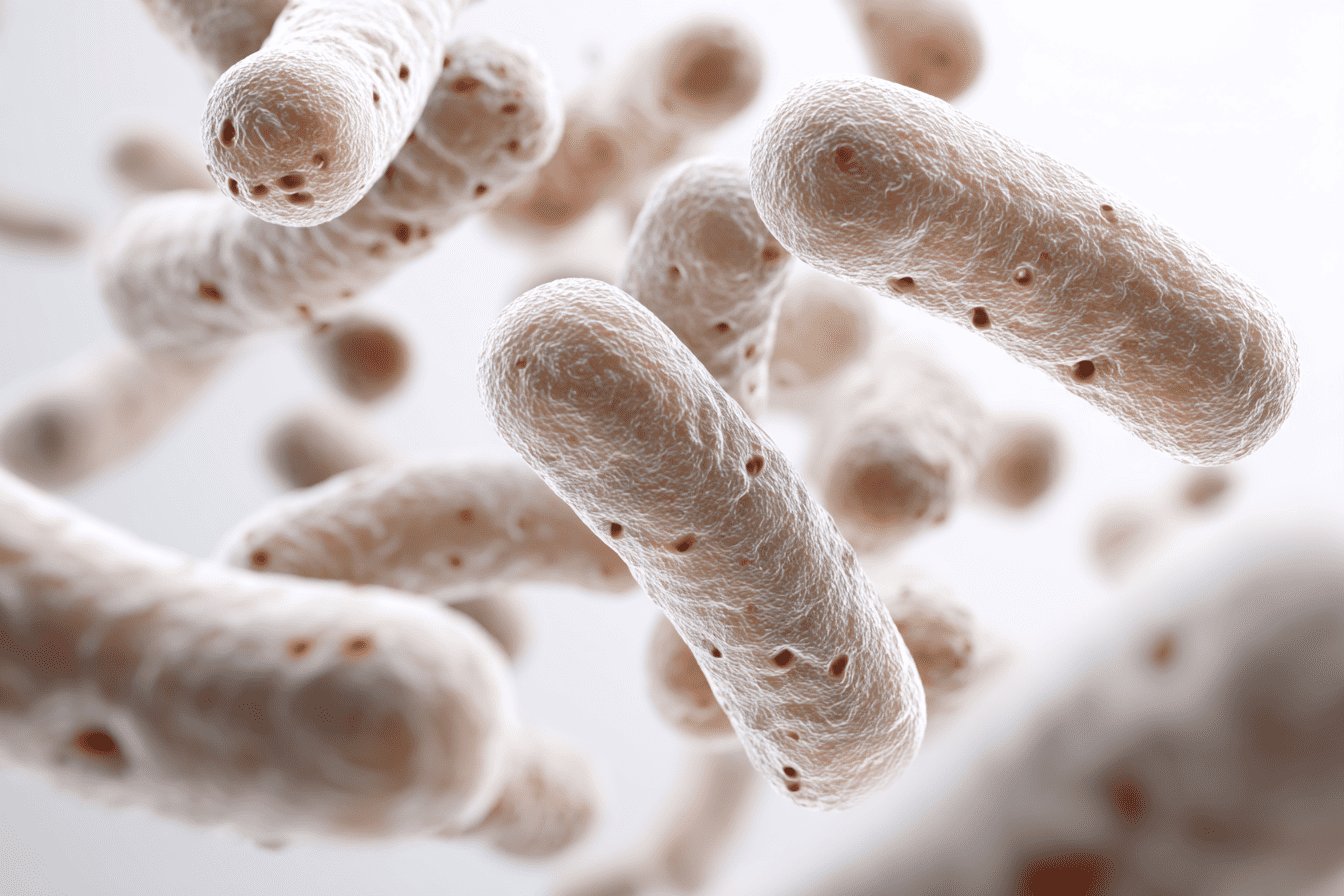
The scientists found out that – when bacteria invade your body, they don’t announce their presence with fanfare. Instead, they leave molecular breadcrumbs as they metabolise nutrients and multiply within infected cells. Your mitochondria have evolved to recognise these telltale signs, functioning as watchtowers that remain alert to even the faintest metabolic signals of bacterial activity.
What makes this detection system particularly impressive is its sophistication. When neutrophils engulf bacteria into compartments called phagosomes, the invaders become physically separated from the rest of the cell. Yet somehow, mitochondria stationed elsewhere in the neutrophil can still detect the bacteria’s presence through the phagosome walls, demonstrating remarkable cellular coordination that scientists are only beginning to understand.
Understanding Neutrophil Extracellular Traps
The research reveals that “Neutrophils” represent your immune system’s rapid response team, arriving first at infection sites to contain threats. These abundant white blood cells deploy multiple weapons, but one of their most dramatic defences involves neutrophil extracellular traps, abbreviated as NETs.
Picture a neutrophil releasing its DNA alongside antimicrobial proteins, forming sticky, web-like structures that physically ensnare bacteria. These molecular nets prevent pathogens from spreading through your tissues whilst exposing them to concentrated antimicrobial compounds.
Scientists previously believed NETs formed primarily in response to cellular stress or damage, but the latest research reveals a more targeted triggering mechanism orchestrated by mitochondria!
The Lactate Connection: A Bacterial Signature
The breakthrough discovery centres on lactate, a metabolic byproduct that bacteria produce as they consume nutrients and multiply.
Mitochondria have developed sensors specifically tuned to detect this bacterial lactate signature. When mitochondrial sensors recognise elevated lactate levels indicative of bacterial activity, they initiate signalling cascades that prompt neutrophils to deploy their NET defences. This targeted response system offers several advantages:
- Distinguishes genuine bacterial threats from other cellular stresses.
- Enables proportional responses matched to infection severity.
- Conserves resources by avoiding unnecessary immune activation.
- Reduces collateral tissue damage from indiscriminate immune responses.
- Provides rapid localised defence at infection sites.
The specificity of lactate detection means your immune system can mount appropriate defences precisely when and where bacterial threats emerge, rather than maintaining constant high alert that would damage healthy tissues, the study says.
Why Lupus Patients Face Infection Challenges
The discovery of connection between mitochondria and NETs illuminates a puzzling clinical observation: people with systemic lupus erythematosus experience higher rates of serious infections.
In lupus, the immune system mistakenly attacks the body’s own tissues, causing chronic inflammation and various complications. But why would an overactive immune system struggle against genuine bacterial threats?
The answer, the scientists found, lies in dysfunctional mitochondria via mitochondrial testing. Neutrophils from lupus patients appear unable to properly detect bacterial lactate, meaning their mitochondrial sensors don’t trigger NET formation in response to actual infections. Whilst these neutrophils can still form NETs in response to dead cell debris, they’ve lost the specific ability to recognise bacterial metabolic signatures.
This selective impairment creates a dangerous vulnerability, the research observes. Without functioning bacterial detection systems, lupus patients’ neutrophils cannot trap and eliminate invading bacteria effectively, increasing susceptibility to infections that might otherwise be easily controlled.
Immunometabolism: Where Energy Meets Immunity
The research belongs to an emerging field called “immunometabolism”, which explores the intricate relationships between cellular energy production and immune function. Rather than viewing metabolism simply as fuel generation, scientists now recognise metabolic processes as central control mechanisms that guide immune decisions.
Mitochondria occupy a privileged position at this intersection. Their ability to sense, respond to, and influence the cellular metabolic environment gives them tremendous power in determining when, where, and how immune responses unfold. This perspective transforms them from passive energy factories into active participants that shape immunity based on the metabolic landscape they perceive – this study well demonstrates.
Future Treatment Possibilities
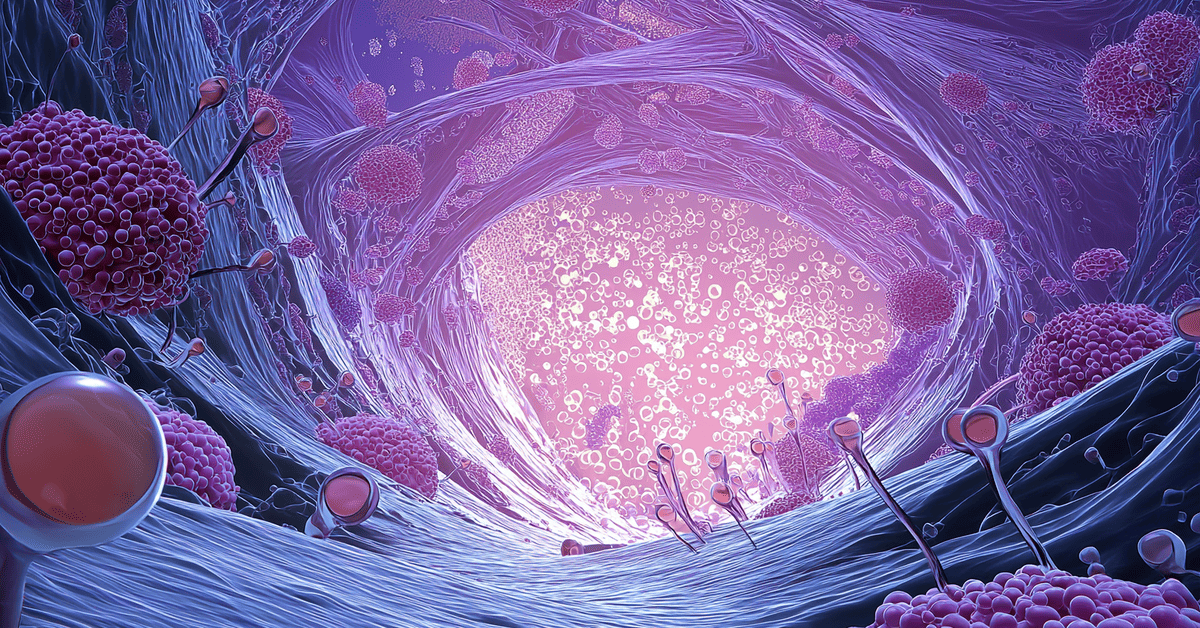
Understanding how mitochondria detect bacteria and trigger NETs, via this study, opens exciting therapeutic possibilities across multiple conditions. For people with weakened immune systems, including those with autoimmune diseases or chronic infections, drugs that enhance mitochondrial sensing could strengthen bacterial detection and improve NET production, bolstering natural defences against pathogens.
Conversely, excessive NET formation contributes to tissue damage in conditions including severe viral infections and certain autoimmune diseases. In these situations, treatments that limit mitochondrial sensing or reduce NET formation could minimise harmful inflammation whilst preserving other defensive mechanisms.
Future research will likely explore whether other immune cells use similar metabolic sensing strategies and whether bacterial byproducts beyond lactate serve as immune signals. Understanding these pathways in greater detail promises treatments that modulate immune responses with unprecedented precision, reducing collateral tissue damage whilst maintaining effective antimicrobial protection.
Ultimately, these insights could lead to breakthroughs that not only enhance immune function but also potentially extend life expectancy by reducing age-related immune decline.
References
Wise, A. D., TenBarge, E. G., Mendonça, J. D. C., Mennen, E. C., McDaniel, S. R., Reber, C. P., Holder, B. E., Bunch, M. L., Belevska, E., Marshall, M. G., Vaccaro, N. M., Blakely, C. R., Wellawa, D. H., Ferris, J., Sheldon, J. R., Bieber, J. D., Johnson, J. G., Burcham, L. R., & Monteith, A. J. (2025). Mitochondria sense bacterial lactate and drive release of neutrophil extracellular traps. Cell Host & Microbe, 33(3), 341-357.e9. https://doi.org/10.1016/j.chom.2025.02.003
Get in Touch with Us
We’d love to hear from you—share your thoughts or ask a question!