

Meditating for Sleep: Techniques That Work

Written by: Aditi Koli, Content Writer
Reviewed & Edited by: Dr. Dooa Arif, Content Strategist
Estimated Reading Time: 7 minutes
TL;DR
Meditation for sleep is a powerful tool for improving rest quality by guiding the mind away from daily stressors and overthinking. Through simple techniques like breath awareness, body scanning, and visualization, it fosters deep relaxation and helps transition into nighttime rest naturally. Longer sessions allow for more thorough physical and mental unwinding, while shorter sessions are effective for those with time constraints. Additionally, incorporating soundscapes or guided hypnosis can enhance the meditative experience. Optimizing your rest environment further supports these practices, making meditation not just a tool for better rest but a holistic approach to wellness.
Sleep meditation represents a gentle bridge between wakefulness and slumber, guiding your mind away from daily stressors towards peaceful rest. Unlike traditional meditation practices that cultivate alertness, meditating for sleep intentionally encourages relaxation and surrender. This practice harnesses your body’s natural relaxation response, creating optimal conditions for transitioning into restorative sleep.
The beauty of meditation lies in its accessibility. Whether you’re a complete beginner or experienced practitioner, these techniques adapt to your comfort level. Your practice needn’t be perfect – simply showing up with gentle intention creates profound shifts in your rest quality over time.
A survey found that over half of people who also used mindfulness meditation cited a desire for better sleep as a primary reason¹.
The Science Behind Nighttime Stillness
When you engage in meditation before bed, remarkable changes occur throughout your body. Your nervous system shifts from sympathetic activation- responsible for stress responses – into parasympathetic dominance, often called “rest and digest” mode. This physiological transition slows your heart rate, deepens breathing, and releases muscular tension accumulated throughout the day.
Your brain waves gradually shift from beta patterns associated with active thinking towards alpha and theta frequencies characteristic of deep relaxation. This neurological transition mirrors the natural progression towards nighttime rest, making meditation an ideal preparation ritual. Stress hormones like cortisol decrease whilst promoting the release of melatonin, your body’s natural sleep regulator.
Key Takeaway: Meditation activates your parasympathetic nervous system, creating optimal physiological conditions for sleep.

Meditation for Short Sessions
Short sessions prove particularly valuable for meditation novices who might feel overwhelmed by longer commitments.
Begin by settling into your resting position, closing your eyes, and focusing attention on your natural breathing rhythm.
Notice the gentle rise and fall of your chest, the cool inhalation and warm exhalation.
When thoughts arise – and they will – acknowledge them without judgment before returning attention to your breath.
This quick Evening Practice can also help you rest better!
Find a comfortable position in bed with minimal lighting
Take three deep, cleansing breaths to signal relaxation
Scan your body from head to toes, releasing tension
Count breaths backwards from ten to one slowly
Visualise a peaceful scene like gentle waves or falling leaves
Key Takeaways: Short meditation sessions effectively promote drowsiness without requiring significant time investment. Focus on breath awareness, body scanning, and simple visualisation techniques for maximum benefit in minimal duration.
Extended Practice: Meditation for 30 Minutes
Whilst brief sessions offer excellent benefits, meditation for nighttime of the 30 minutes duration provides deeper immersion into relaxation. This extended timeframe allows progressive layering of techniques, beginning with physical relaxation before moving towards mental quietude and finally, meditative absorption.
Longer sessions particularly benefit those experiencing significant stress or chronic difficulties in relaxing. The additional time permits thorough body relaxation, addressing tension held in deeper muscle groups. Your mind receives ample opportunity to release the day’s concerns, cycling through active thoughts until naturally settling into quieter states.
Key Takeaway: Extended thirty-minute sessions allow comprehensive relaxation across physical and mental dimensions.
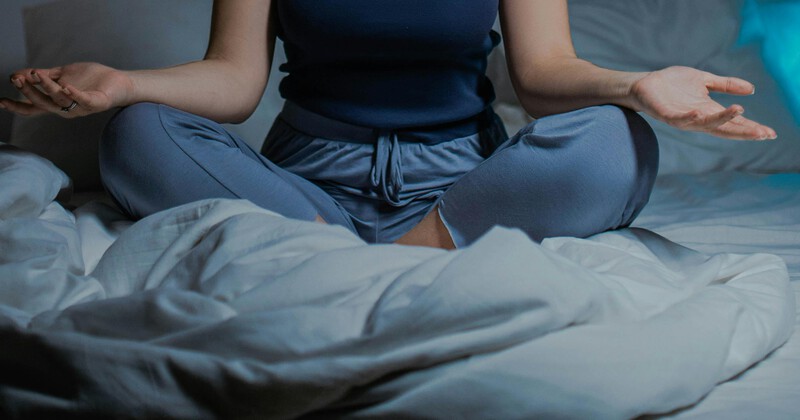
Resolving Overthinking
Racing thoughts represent one of the greatest obstacles. Meditation for rest and addressing overthinking specifically meets this common challenge through targeted techniques. Rather than fighting mental chatter – which paradoxically increases its intensity – these practices teach gentle redirection and acceptance.
Begin by acknowledging that thinking is your mind’s natural function, not a personal failure. When thoughts arise, visualise them as clouds drifting across the sky of your awareness. You observe them without engaging, allowing each thought to pass naturally. This non-attachment gradually reduces thought momentum, creating spaciousness for drowsiness to arise.
How to calm the active mind?
Practice “noting” by mentally labelling thoughts as “thinking” without elaboration
Use body sensations as anchors when mental activity intensifies
Employ counting techniques to occupy the analytical mind gently
Visualise placing each thought into a floating balloon drifting away
Repeat a simple phrase like “peace” or “rest” to redirect attention
Key Takeaways: Address overthinking through acceptance rather than resistance, using observation techniques to reduce mental momentum.
Enhancing Your Practice with Sound
Meditation that involves music creates an auditory environment supporting relaxation. Carefully composed soundscapes featuring nature sounds, binaural beats, or ambient tones can mask disruptive environmental noise whilst promoting brain wave entrainment towards rest-conducive frequencies.
Meditation for nighttime rest hypnosis combines guided verbal suggestions with relaxation techniques, leading your subconscious mind towards restful states. These recordings typically feature progressive relaxation instructions delivered in soothing tones, often incorporating visualisation journeys to peaceful settings. The hypnotic element doesn’t involve loss of control but rather heightened suggestibility towards positive rest associations.
Key Takeaways: Music and guided hypnosis recordings enhance meditation practice by creating supportive auditory environments. These tools mask disruptive sounds whilst promoting beneficial brain wave patterns and positive rest associations.
Creating Your Perfect Rest Sanctuary
Your environment profoundly influences meditation effectiveness. Transform your bedroom into a dedicated rest sanctuary by optimising temperature, lighting, and sensory elements. Cool temperatures between 16-19 degrees Celsius support your body’s natural temperature drop during rest onset.
Eliminate blue light exposure from electronic devices at least thirty minutes before your meditation practice. Consider blackout curtains or an eye mask to ensure complete darkness. Aromatherapy using lavender or chamomile essential oils can enhance relaxation, whilst ensuring your mattress and pillows provide adequate comfort and support.
Key Takeaways: Environmental optimisation amplifies meditation benefits through temperature regulation, light elimination, and sensory enhancement.
FAQs
A great trick to fall asleep quickly is to practice deep breathing by inhaling for 4 seconds, holding for 7 seconds, and exhaling for 8 seconds to calm your nervous system.
A good unwinding meditation involves calming techniques like deep breathing, body scanning, or guided visualizations that help relax the mind and prepare the body for rest.
References
- Burke, A., Lam, C. N., Stussman, B., & Yang, H. (2017). Prevalence and patterns of use of mantra, mindfulness and spiritual meditation among adults in the United States. BMC Complementary Medicine and Therapies, 17(1), 316. https://bmccomplementmedtherapies.biomedcentral.com/articles/10.1186/s12906-017-1827-8#:~:text=Results%20from%20the%20National%20Health,in%20secular%20settings%20and%20applications.