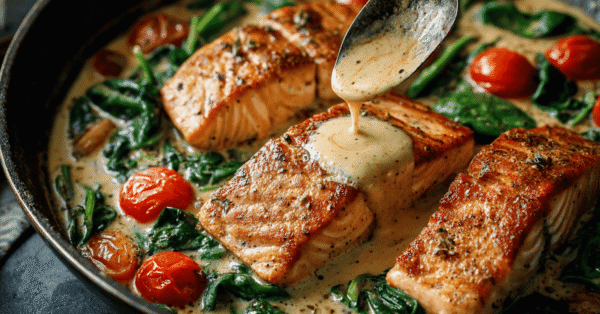
A nutritionist helps with weight loss by creating personalized meal plans, providing dietary advice, and promoting healthy eating habits to achieve sustainable weight management.


Unlock weekly insights and subscriber-only discounts.
Learn what a nutritionist does, their specialisations, and how they create personalised nutrition plans using modern tools and evidence-based approaches.
Written by: Aditi Koli, Content Writer Reviewed & Edited by: Dr. Dooa Arif, Content Strategist
Estimated Reading Time: 7 minutes
TL;DR
A nutritionist helps you understand how food affects your body and builds a plan that fits your lifestyle, goals, and biology. Unlike dietitians who focus on medical diets, nutritionists emphasise preventive wellness; using science, behaviour, and tech to make nutrition personal. They may specialise in weight management, mental health, or recovery, combining data from wearables and apps with practical strategies to help you eat smarter and live better.
The wellness industry is booming, and nutritionists have become some of the most sought-after health professionals in this space. But what exactly does a nutritionist do, and how can they help you optimise your health? If you’ve been wondering whether you need professional nourishment guidance, you’re not alone – these questions are becoming increasingly common as people take a more proactive approach to their wellbeing.
The role of a diet expert extends far beyond simply telling you to eat more vegetables (though that might be part of it). Today’s professionals are equipped with cutting-edge knowledge about everything from nutrigenomics to gut microbiome optimisation, making them valuable partners in your journey towards better health.
At its core, a nutrition expert’s role is to help you understand how food affects your body and to create strategies that support your individual health goals. They analyse your current eating patterns, assess your nourishment needs, and develop personalised recommendations that fit your lifestyle, preferences, and health conditions.
Modern diet experts take a holistic approach that considers not just what you eat, but when you eat it, how you prepare it, and how it interacts with your unique physiology. They might examine your sleep patterns, stress levels, exercise habits, and even your genetic markers to create a comprehensive picture of your diet needs.
Key Takeaway: Diet professionals take a comprehensive approach that goes beyond food choices to include lifestyle factors, timing, and your individual biological makeup.
This is probably one of the most frequently asked questions in health and wellness circles. While a nutritionist dietitian might use both titles, there are important distinctions between the two professions in many countries.
Dietitians typically have more formal training and are often regulated healthcare professionals who can work in clinical settings, hospitals, and provide medical diet therapy.
Nutritionists, whilst also well-trained, often focus more on wellness optimisation and preventive diet rather than treating specific medical conditions. However, the lines are increasingly blurred, and many professionals hold qualifications in both areas.
Key Takeaway: Dietitians typically work in clinical settings treating medical conditions, while nutritionists focus on wellness optimisation and prevention, though many professionals are qualified in both areas.

Today’s diet landscape is incredibly diverse, with professionals specialising in specific areas that reflect our growing understanding of personalised health.
An expert for weight loss focuses on sustainable strategies for body composition changes, often incorporating behavioural psychology and metabolic health principles.
Mental Health
Mental health diet is another rapidly growing field. A consulting expert for eating disorders works as part of a multidisciplinary team to help individuals develop healthy relationships with food whilst addressing the complex psychological and physiological aspects of these conditions. This specialisation requires additional training in mental health approaches and trauma-informed care.
Cancer
Cancer diet represents one of the most specialised areas in the field. An expert for cancer patients understands how different treatments affect diet needs and can help manage side effects like nausea, taste changes, and altered metabolism. They work closely with oncology teams to ensure food supports both treatment effectiveness and quality of life.
Key Takeaway: Nutritionists now specialise in diverse areas from weight management to medical conditions, requiring specific training to address complex health challenges effectively.
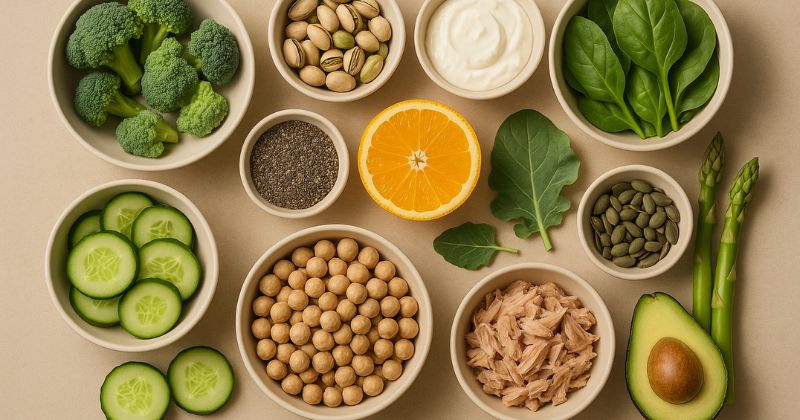
Creating an effective food plan is both an art and a science.
Key Takeaway: Effective food plans are highly personalised, considering your lifestyle, preferences, and constraints rather than following generic dietary templates.
Nutrition Apps
Technology has transformed how nutrition experts work and connect with clients. Many professionals now utilise a nutritionist app to track client progress, provide meal planning tools, and maintain regular communication between appointments. These digital platforms can offer features like barcode scanning for easy food logging, recipe databases, and even AI-powered meal suggestions.
Wearable Technology
The integration of wearable technology has also enhanced the practice. Diet-monitoring professionals can now access data from continuous glucose monitors, sleep trackers, and activity monitors to get a more complete picture of how dietary changes affect their clients’ metabolic health and overall wellbeing.
Digital Resources
Professionals today rely on evidence-based information to stay current with the rapidly evolving field of food and health science. A reputable resource might include peer-reviewed journals, continuing education courses, and professional databases that track the latest research in areas like nutrigenomics, chronobiology, and microbiome health.
These resources help professionals understand emerging trends like circadian eating, the role of polyphenols in longevity, and how different dietary approaches affect biomarkers of ageing. This scientific foundation allows them to separate legitimate innovations from wellness fads that lack scientific support.
Key Takeaway: Digital tools and wearable technology allow nutrition gurus to provide more precise, real-time guidance and track your progress more effectively than ever before.
A nutritionist helps with weight loss by creating personalized meal plans, providing dietary advice, and promoting healthy eating habits to achieve sustainable weight management.
A dietitian is typically considered more advanced than a nutritionist, as they are usually licensed healthcare professionals with specialized training in medical nutrition therapy.