

Written by: Aditi Koli, Content Writer
Reviewed & Edited by: Dr. Dooa Arif, Content Strategist
Estimated Reading Time: 7 minutes
TL;DR
The yoga wheel isn’t just another prop; it’s a clever shortcut to better posture, stronger balance, and a spine that actually feels open again. Think of it as your personal alignment coach: it encourages flexibility without forcing it, gently teaching your body how to bend instead of strain.
For beginners, starting with supported poses like fish or thoracic extensions feels almost therapeutic, especially after long hours hunched at a desk. The real magic, however, lies in restraint — taking it slow, breathing through each roll, and resisting the urge to overextend. Used thoughtfully, the yoga wheel turns stretching into a form of mindful self-care rather than a flexibility contest.
Understanding What Is a Yoga Wheel
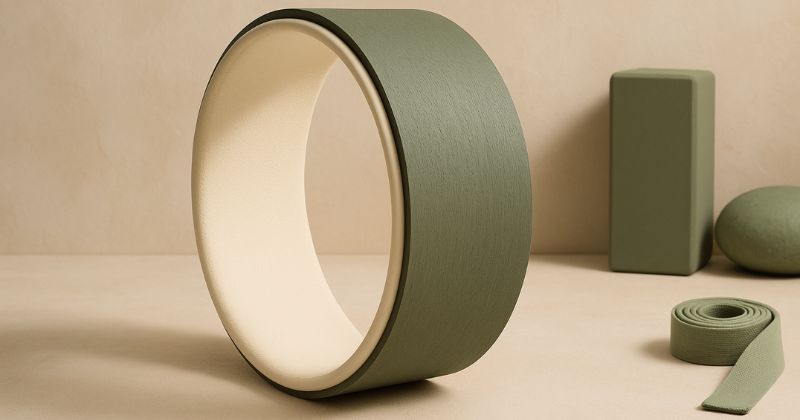
A yoga wheel represents one of the most innovative props to emerge in modern yoga practice. This circular device, typically measuring 12 inches in diameter, features a sturdy exterior with cushioned padding designed to support your body weight whilst facilitating deep spinal extension and flexibility work.
The yoga pose wheel’s unique design allows practitioners to safely achieve backbends that might otherwise prove challenging or inaccessible. The wheel’s ability to provide gentle traction makes it particularly valuable for individuals experiencing the effects of prolonged sitting or poor posture.
Uses and Benefits
Yoga poses with wheel extend far beyond simple backbends, encompassing a comprehensive approach to spinal health and overall flexibility. The primary benefits include spinal unloading, improved posture, enhanced flexibility, and targeted muscle release.
This pose can facilitate myofascial release sensations—often reducing perceived stiffness and improving range. This dual action of stretching and releasing creates a comprehensive approach to spinal wellness.
Additional benefits include:
- Enhanced chest opening for improved breathing capacity
- Strengthened core muscles through stabilisation requirements
- Improved hip flexor flexibility
- Reduced stress through gentle inversions (avoid if you have uncontrolled hypertension, glaucoma, or your clinician advises against it).
- Better sleep quality from tension release
Key Takeaways: This pose provide multifaceted benefits including spinal unloading, myofascial release, and improved posture, making it invaluable for combating sedentary lifestyle effects.
How to Use a Yoga Wheel Safely
Learning how to use a yoga wheel properly forms the foundation of safe and effective practice. Begin by positioning the prop against your mid-back whilst seated on the floor, then slowly lean back, allowing the prop to support your spine’s natural curve.
The key principle involves gradual progression rather than forcing deep stretches immediately. Your body requires time to adapt to the support, and rushing this process increases injury risk. Start with gentle movements, holding positions for 30-60 seconds before progressing.
Proper breathing remains crucial throughout this practice. Deep, controlled breaths help relax muscles and facilitate deeper stretches whilst maintaining nervous system calm. Avoid holding your breath, as this creates unnecessary tension.
Key Takeaways: Safe use requires gradual progression, proper breathing, and appropriate environmental conditions.
Stretches for Beginners
The stretches for beginners should focus on building confidence and familiarity with the prop whilst providing gentle spinal mobility.
1. Supported Fish Pose
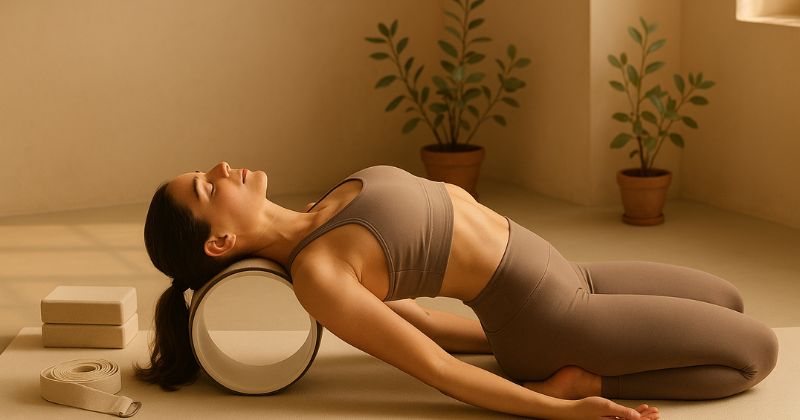
The supported fish pose serves as an excellent starting position, placing the wheel horizontally under your shoulder blades whilst lying supine. For this foundational stretch, position yourself so the wheel sits beneath your mid-thoracic spine, then slowly lower your head towards the floor. Your arms can rest by your sides initially, progressing to overhead extensions as comfort increases.
2. Seated Spinal Wave
The seated spinal wave provides another beginner-friendly option. Sit in front of the wheel, lean back gently, and allow it to support your lower back. Small, gentle movements help familiarise you with the wheel’s support whilst promoting spinal mobility.
3. Progressive Chest Opening
Progressive chest opening builds upon these foundations. Start with minimal extension and gradually increase range as flexibility improves. This methodical approach prevents overextension whilst building the strength needed for advanced poses.
4. Lumbar Release Technique
Yoga wheel exercises for back pain address specific areas of tension and dysfunction commonly associated with chronic discomfort. The lumbar release technique targets the lower back, where many individuals experience the most significant pain. Position the wheel under the lower ribs and along the paraspinal muscles; avoid pressing directly onto the lumbar spinous processes. This gentle decompression helps separate vertebrae and reduce pressure on spinal discs.
5. Thoracic Extension Exercise
The thoracic extension exercise addresses upper back stiffness from poor posture. Place the wheel horizontally under your mid-back and slowly extend over it, allowing your chest to open whilst maintaining control. This counteracts the forward head posture common in modern society.
6. Hip Flexor Release
Hip flexor release using the wheel provides indirect back pain relief by addressing a common contributing factor. Tight hip flexors pull on the lumbar spine, creating dysfunction and pain. The wheel’s support allows deeper hip flexor stretching than traditional methods.
Key Takeaways: Beginner wheel stretches emphasise gradual progression and confidence building.
Safety Considerations and Precautions
- Certain medical conditions contraindicate pose use, including acute disc herniation, recent spinal surgery, and severe osteoporosis.
- Pregnancy modifications become essential as the body changes. After ~16–20 weeks, avoid prolonged supine positions and deep backbends; seek clinician guidance. Consult healthcare providers before beginning this practice during pregnancy.
- Age-related considerations affect suitability. Older adults may require modified approaches and should prioritise gentle movements over aggressive stretching.
- Consider working with qualified instructors familiar with techniques, especially when beginning practice, as proper guidance significantly improves safety outcomes.
Key Takeaways: Quality equipment selection and proper instruction are essential for safe practice, making professional guidance valuable for beginners.
FAQs
The wheel pose in yoga is called “Urdhva Dhanurasana”.
Yes, the yoga wheel is effective for improving flexibility, strength, and balance, while also aiding in deep stretching and spinal alignment.
Get in Touch with Us
We’d love to hear from you—share your thoughts or ask a question!