


Written by: Aditi Koli, Content Writer
Reviewed & Edited by: Dr. Dooa Arif, Content Strategist
Estimated Reading Time: 8 minutes
TL;DR
Learning yoga pose names bridges movement with meaning. Sanskrit terms like Tadasana (Mountain Pose) and Balasana (Child’s Pose) reveal the qualities each posture embodies-steadiness, surrender, or strength.
Understanding these roots turns physical practice into a mindful experience, connecting modern yoga with its ancient philosophical essence. For beginners, decoding simple asana names deepens focus, improves recall during classes, and nurtures respect for yoga’s heritage-transforming each pose from exercise into meditation in motion.
The world of yoga asanas extends far beyond the studio mat, encompassing a rich linguistic tradition that bridges ancient Sanskrit wisdom with contemporary Western terminology. Understanding common names of poses empowers practitioners to navigate classes confidently whilst honouring the philosophical foundations of this transformative practice.
Modern instruction typically employs a hybrid naming system. Instructors might reference “Downward Dog” alongside its traditional designation “Adho Mukha Svanasana,” creating accessibility for newcomers whilst preserving authentic nomenclature. This dual-naming approach reflects yoga‘s evolution as a global wellness phenomenon¹.
The anatomical precision in English translations helps practitioners understand muscular engagement and skeletal alignment. Terms like “Warrior,” “Triangle,” and “Tree” provide immediate visual references, whilst Sanskrit names capture energetic qualities and spiritual dimensions often lost in direct translation.
Research indicates that learning pose names enhances neuroplasticity and mindfulness². The cognitive process of memorising asana terminology strengthens mind-body awareness, deepening your connection to each movement sequence. This linguistic engagement transforms physical practice into meditative exploration.
The Evolution of Yoga Nomenclature
Traditional practice lineages classified postures based on physical characteristics: standing, seated, inverted, backbending, and twisting categories. Contemporary systems have expanded these classifications to include therapeutic intentions, such as “restorative poses” or “heart-opening asanas,” reflecting modern wellness priorities.
Key Takeaways: Understanding both Sanskrit and English names enriches your practice by connecting ancient wisdom with contemporary applications.
Yoga Poses with Sanskrit Names: Ancient Wisdom
Understanding poses with sanskrit names connects practitioners to millennia of philosophical tradition. Each designation carries layered meanings extending beyond physical form into energetic and spiritual dimensions.
Sanskrit terminology follows specific naming conventions. Many poses reference animals (Svanasana for dog, Bhujangasana for cobra), sages (Virabhadrasana for warrior Virabhadra), or geometric shapes (Trikonasana for triangle). These associations provide mnemonic devices whilst conveying pose characteristics.
The language structure itself supports practice depth. Sanskrit’s phonetic precision creates specific vibrational qualities when spoken, potentially influencing energetic effects. Whilst scientific validation remains limited, many practitioners report enhanced focus when using traditional nomenclature.
Yoga Poses Names and Meanings
Translation complexity highlights linguistic nuance. “Asana” literally means “seat,” reflecting yoga’s origins in meditation postures. Modern physical practices have expanded this definition to encompass dynamic movements, yet the term retains its contemplative essence.
Consider Tadasana (Mountain Pose): “Tada” means mountain, “asana” means pose. This simple designation conveys stability, groundedness, and unwavering presence-qualities practitioners cultivate through the posture.
Key Takeaways: Sanskrit names preserve philosophical richness whilst providing meaningful connections to pose intentions. Learning traditional nomenclature deepens practice by linking physical movements with contemplative awareness.
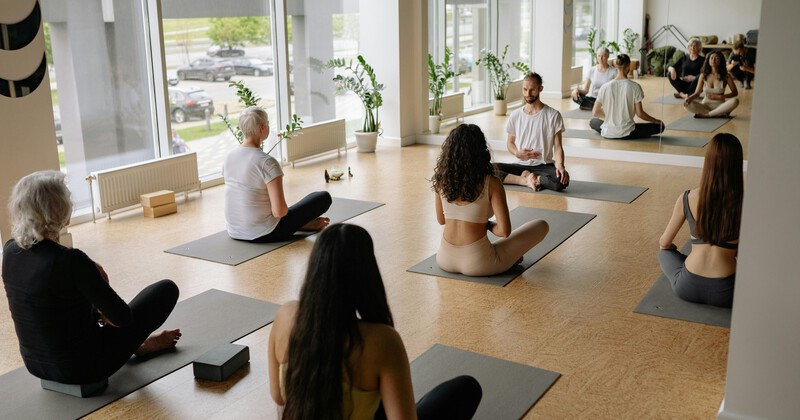
Yoga Poses for Beginners With Names: What They Mean
Understanding foundational asanas begins with decoding their Sanskrit nomenclature. Each beginner pose name reveals philosophical intentions embedded within linguistic structure-from mountain steadiness to childlike surrender.
These poses for beginners with names bridge ancient wisdom with accessible movement patterns, establishing sustainable practice foundations whilst honouring traditional terminology that illuminates deeper meaning behind physical form.
Essential Beginner Poses and their Sanskrit Etymology:
Tadasana (Mountain Pose):
“Tada” means mountain, “asana” means pose-embodying steadfast stability like an immovable peak
Balasana (Child’s Pose):
“Bala” translates to child, “asana” means pose-evoking innocence and natural resting positions observed in children
Marjaryasana-Bitilasana (Cat-Cow):
“Marjari” means cat, “bitila” means cow-referencing characteristic spinal movements of these animals
Virabhadrasana I (Warrior I):
Named after warrior “Virabhadra” from Hindu mythology-channelling heroic strength and determination through standing posture
Savasana (Corpse Pose):
“Sava” translates to corpse, “asana” means pose-representing complete surrender and symbolic death of ego preceding rebirth.
These linguistic roots provide mnemonic devices whilst connecting physical forms to cultural narratives spanning millennia of tradition. Learning these etymological foundations transforms rote memorisation into meaningful engagement, deepening your connection to each posture’s inherent wisdom.
Key Takeaways: Understanding Sanskrit roots-“bala” (child), “tada” (mountain), “sava” (corpse)-transforms beginner poses from mere exercises into meaningful contemplative practices. These etymological foundations create mnemonic pathways whilst connecting physical movements to philosophical intentions embedded within each posture’s linguistic heritage.
Unique Yoga Poses with Names for Advanced Practice
Advanced asana nomenclature reveals yoga’s profound relationship with natural world observation. These unique yoga poses with names draw heavily from animal kingdom imagery – peacocks, scorpions, fireflies – each Sanskrit designation encoding biomechanical wisdom discovered through millennia of practice refinement.
Understanding these etymological connections transforms challenging postures into embodied metaphors, where practitioners don’t merely execute movements but inhabit archetypal qualities embedded within linguistic tradition.
Understanding Advanced Pose Etymology:
Kapotasana (King Pigeon Pose):
“Kapota” means pigeon- reflecting the chest expansion resembling a proud pigeon’s puffed breast
Mayurasana (Peacock Pose):
“Mayura” translates to peacock-mimicking the bird’s graceful balance whilst displaying magnificent plumage
Tittibhasana (Firefly Pose):
“Tittibha” means firefly or insect-evoking the lightness and hovering quality of illuminated flight
Vrschikasana (Scorpion Pose):
“Vrschika” means scorpion-replicating the creature’s distinctive curved tail arching over its body
Eka Pada Rajakapotasana (One-Legged King Pigeon Pose):
“Eka” means one, “pada” means leg, “raja” means king, “kapota” means pigeon-the royal single-leg variation
These advanced nomenclatures connect animal characteristics with human biomechanics, illustrating how ancient yogis observed nature’s movements. Each name serves as a meditation prompt, encouraging practitioners to embody the creature’s essence whilst executing complex physical demands.
Key Takeaways: Advanced Sanskrit nomenclature connects human movement with animal characteristics, revealing ancient yogis’ keen observations of nature’s biomechanics. Understanding these etymological roots-from “mayura” (peacock) to “vrschika” (scorpion)-deepens practice by transforming technical execution into embodied metaphor and contemplative exploration.

FAQs
A yoga pose is called an “asana” in Sanskrit, which literally translates to “seat” or “posture.”
Popular sitting yoga asanas include Sukhasana (Easy Pose), Padmasana (Lotus Pose), Vajrasana (Thunderbolt Pose), Paschimottanasana (Seated Forward Bend), and Ardha Matsyendrasana (Half Spinal Twist).
References
- Singleton, M. (2010). Yoga Body: The Origins of Modern Posture Practice. Oxford University Press. https://archive.org/details/yogabodyoriginso0000sing
- Mechelli, A., Crinion, J. T., Noppeney, U., O’Doherty, J., Ashburner, J., Frackowiak, R. S. J., & Price, C. J. (2004). Neurolinguistics: Structural plasticity in the bilingual brain. Nature, 431(7010), 757 Neurolinguistics: structural plasticity in the bilingual brain – PubMed
Get in Touch with Us
We’d love to hear from you—share your thoughts or ask a question!