
Written by: Aditi Koli, Content Writer
Reviewed & Edited by: Dr. Dooa Arif, Content Strategist
Estimated Reading Time: 8 minutes
TL;DR
Cobra pose is a classic yoga backbend that strengthens the spine, opens the chest, and restores balance to posture strained by sitting.
Practised correctly-with grounded hips, engaged legs, and even spinal lift-it relieves tension while improving flexibility and breathing capacity.
Regular cobra practice enhances digestion, boosts mood, and reduces lower back discomfort. Beginners benefit from gentle “baby cobra” variations, while advanced practitioners can explore cobra bridge for deeper extension. When performed mindfully, it’s a rejuvenating posture that builds strength, energises the body, and protects the back from pain.
Cobra pose for yoga, known as Bhujangasana in Sanskrit, represents one of the foundational backbending postures in classical yoga systems. The name derives from “bhujanga” (serpent) and “asana” (posture), evoking the graceful rising motion of a cobra lifting its hood.
Ancient yogic texts describe this yoga asana cobra as a powerful energiser, stimulating the subtle energy channels along the spine whilst strengthening posterior chain muscles. Traditional practitioners recognised its capacity to awaken dormant vitality, particularly through stimulation of the manipura chakra (solar plexus) associated with personal power and digestive fire.
Contemporary biomechanics research validates traditional claims regarding spinal health benefits. Studies show that regular backbending practice, including cobra variations, improves thoracic spine extension whilst reducing chronic postural humps¹.
Yoga Cobra Pose for Beginners: Step-by-Step
Proper technique establishes safe foundations for exploring deeper backbend expressions. This yoga cobra pose for beginners approach emphasises alignment principles over depth, creating sustainable practice patterns.
Essential Cobra Execution Steps:
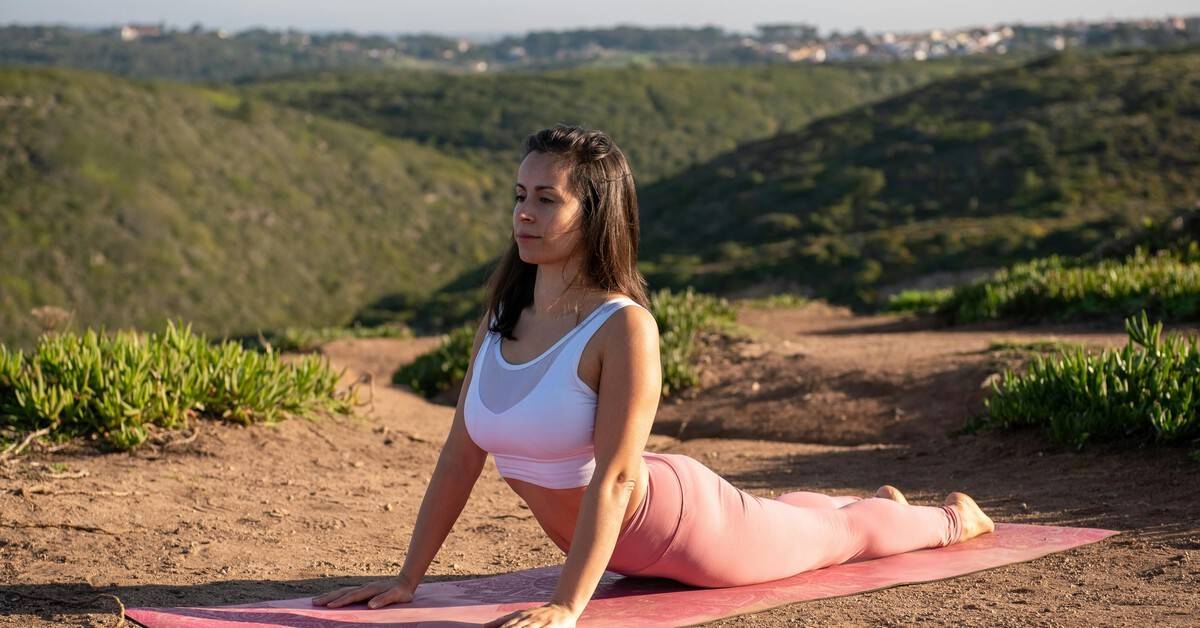
- Lie face-down with legs extended, feet hip-width apart, and tops of feet pressing into the mat
- Place palms flat on the floor directly under shoulders, elbows hugging close to your ribcage
- Engage your legs by pressing the tops of feet firmly downward whilst drawing kneecaps toward hips
- Inhale as you gently press hands down, lifting chest forward and up whilst keeping pelvis grounded
- Draw shoulder blades together and down, opening across collarbones whilst maintaining neck length
Critical alignment cues include maintaining pelvic floor contact throughout the backbend. Many beginners mistakenly lift hips, creating compression in the lumbar spine rather than distributing the backbend evenly throughout the entire spinal column. The pubic bone should remain anchored whilst the heart lifts forward rather than simply upward.
Arm positioning varies based on flexibility and strength. Beginners may keep elbows bent, creating a gentler “baby cobra” variation that still provides therapeutic benefits without overwhelming spinal capacity. Research demonstrates that modified cobra variations activate erector spinae muscles at 67% of maximal voluntary contraction, sufficient for strengthening without strain².
Breath integration proves essential. Exhaling whilst lifting contradicts the natural spinal extension facilitated by inhalation. Coordinating the upward movement with inhalation creates biomechanical advantage whilst promoting thoracic expansion.
Key Takeaways: Beginner-friendly cobra emphasises proper alignment with pelvis grounded and even spinal distribution.

Health Benefits of Cobra Pose
The health benefits of cobra pose extend beyond muscular strengthening into comprehensive wellness applications affecting multiple physiological systems.
Spinal Flexibility
Spinal flexibility enhancement represents the primary benefit. Regular practice improves intervertebral disc hydration and facet joint mobility, counteracting sedentary lifestyle effects. Studies indicate that daily 5-minute cobra practice reduces chronic lower back pain over time³.
Respiratory Capacity Improvement
Respiratory capacity improvement occurs through chest expansion and intercostal muscle stretching. The open-chest positioning in cobra increases lung capacity supporting improved oxygenation and respiratory efficiency⁴.
Digestive Stimulation
Digestive stimulation results from gentle abdominal compression followed by release. This rhythmic pressure massages digestive organs, potentially enhancing peristaltic function and reducing constipation symptoms. Traditional texts emphasise cobra’s role in “igniting digestive fire” (agni), a concept modern research validates through increased blood flow to abdominal organs.
Mood Enhancement
Mood enhancement through backbending correlates with increased endorphin release. Research shows that heart-opening postures like cobra elevate mood scores immediately post-practice, with effects lasting 2-4 hours⁵.
Postural Correction
Postural correction addresses forward-head and rounded-shoulder patterns prevalent in desk-bound populations. Cobra strengthens upper back extensors whilst stretching anterior chest muscles, creating balanced musculature that supports upright posture.
Key Takeaways: Cobra provides measurable improvements in spinal flexibility, respiratory capacity, digestive function, mood regulation, and postural alignment.
Yoga Cobra Pose Hurts Lower Back?
Lower back discomfort in cobra usually comes from technique mistakes, not the pose itself.
- Lifting too high without engaging your core creates excessive compression-the solution is staying lower and focusing on upper back extension rather than lower back arching.
- Weak abdominal muscles fail to support your spine. Gently draw your navel toward your spine to create internal support.
- Tight hip flexors also cause problems by tilting your pelvis forward-stretch them before practising cobra.
- Finally, actively press your feet down and engage your leg muscles. This prevents energy dumping into your lower back, protecting vulnerable lumbar structures.
Key Takeaways: Lower back pain in cobra typically results from excessive lumbar compression, weak core support, or inadequate leg engagement. Technical modifications addressing these factors enable pain-free practice whilst building requisite strength and flexibility.
Advanced Practice: Yoga Poses Cobra Bridge
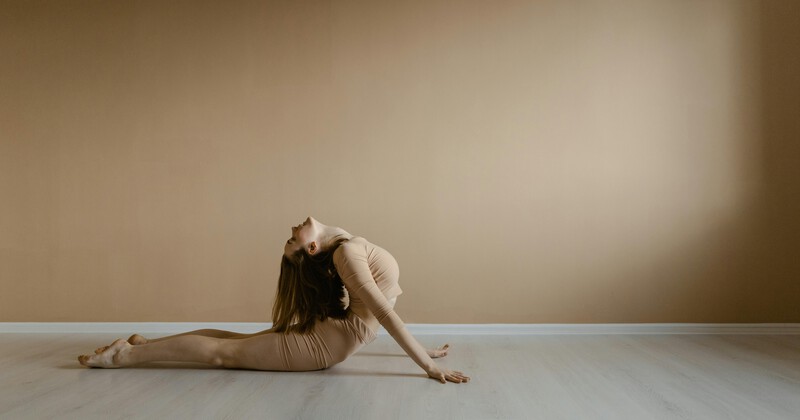
Yoga poses like the Cobra bridge represents an advanced fusion requiring exceptional spinal flexibility and strength.
This variation involves entering cobra, then carefully pressing into a modified bridge position whilst maintaining chest lift. The transition demands coordinated movement and breath control, creating intensive posterior chain engagement.
Practitioners should master both cobra and bridge independently before attempting combined variations.
Key Takeaways: Advanced cobra variations challenge experienced practitioners through increased intensity and complex transitions, requiring mastery of foundational forms before safe exploration.
FAQs
Cobra Pose strengthens the spine, opens the chest, improves posture, and boosts energy and flexibility.
Yes, you can do Cobra Pose daily to enhance flexibility, strengthen your back, and improve posture. Daily practice for 2-3 minutes yields measurable improvements within 4-6 weeks, with consistency mattering more than duration per session.
References
- Dewan, M., Nijhawan, M., Chhabra, H. S., Shandilya, S., Kumar, P., & Phadke, V. (2023). Electromyographic analysis of trunk and hip muscles during Yoga poses prescribed for treating chronic low back pain. Journal of Bodywork and Movement Therapies, 36, 117–124 Electromyographic analysis of trunk and hip muscles during Yoga poses prescribed for treating chronic low back pain – Journal of Bodywork and Movement Therapies
- Saper, R. B., Lemaster, C., Delitto, A., Sherman, K. J., Herman, P. M., Sadikova, E., Stevans, J., Keosaian, J. E., Cerrada, C. J., Femia, A. L., Roseen, E. J., Gardiner, P., Gergen Barnett, K., Faulkner, C., & Weinberg, J. (2017). Yoga, physical therapy, or education for chronic low back pain: A randomized noninferiority trial. Annals of Internal Medicine, 167(2), 85–94 Yoga, Physical Therapy, or Education for Chronic Low Back Pain. A Randomized Noninferiority Trial
Get in Touch with Us
We’d love to hear from you—share your thoughts or ask a question!