
Written by: Aditi Koli, Content Writer
Reviewed & Edited by: Dr. Dooa Arif, Content Strategist
Estimated Reading Time: 8 minutes
TL;DR
Pigeon pose remains one of yoga’s most powerful hip openers, ideal for easing tension built up from long hours at a desk. It releases tight hip rotators, improves posture, and can even help lower back pain. When practised mindfully-with hips squared and knees protected-it enhances flexibility and emotional balance. Advanced versions like King Pigeon deepen the stretch with graceful backbends, while Flying Pigeon builds arm strength and focus through balancing. Done consistently, it’s a restorative posture that strengthens the body, calms the mind, and encourages emotional release through deep, grounded movement.
What is pigeon pose in yoga? Known as “Eka Pada Rajakapotasana” in Sanskrit, pigeon represents one of the most profound hip-opening postures in contemporary practice. The name translates as “one-legged king pigeon pose,” evoking the regal bearing of a pigeon’s puffed chest whilst the single extended leg resembles a bird’s trailing tail.
This asana primarily targets the hip external rotators, particularly the piriformis muscle-a deep tissue structure often harbouring chronic tension from sedentary lifestyles. Research indicates that piriformis tightness can contribute to lower back discomfort and restricted mobility¹.
The pose appears across multiple yoga lineages, from gentle restorative sequences to dynamic vinyasa flows. This versatility demonstrates the pose’s fundamental importance in comprehensive practice development. Traditional practitioners recognised this posture’s capacity to release not merely physical tension but emotional holdings stored within hip structures.
Studies show that targeted hip opening also correlates with reduced anxiety symptoms and improved emotional processing, suggesting physiological mechanisms linking pelvic tension with stress response patterns².
Key Takeaways: This foundational posture bridges physical release with emotional processing, offering therapeutic benefits validated by contemporary research.
The Pigeon Yoga Position: Proper Technique
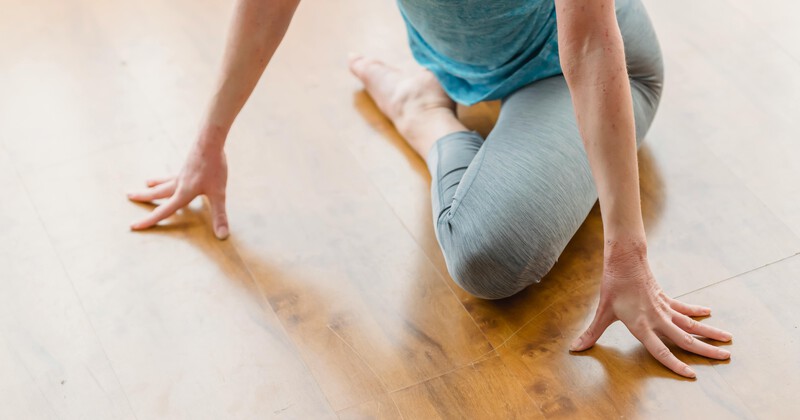
Mastering this position requires attention to alignment principles protecting knee integrity whilst maximising hip rotation.
Essential teps:
- Begin in Downward-Facing Dog, then bring your right knee forward toward your right wrist
- Lower your right shin toward the floor, positioning your right ankle somewhere between perpendicular and parallel to your mat’s front edge
- Extend your left leg straight behind you, ensuring your hips remain square to the mat’s front
- Walk your hands forward, folding over your front leg, or remain upright with hands supporting
- Hold for 2-5 minutes, breathing deeply, then carefully switch sides
Some Precautions:
- Always rotate from your hip socket, not your knee, to prevent injury.
- Shin angle depends on flexibility – beginners keep shins more parallel, advanced practitioners more perpendicular.
- Keep both hips level. If one hip lifts, place a block underneath for support.
- Press your back foot firmly down to engage leg muscles, creating stability and protecting your lower back. Research shows active leg engagement reduces lower back compression compared to relaxed positioning³.
Key Takeaways: Proper pigeon technique emphasises hip rotation from the socket with squared hips and appropriate shin angle.
Benefits
This pose offers profound hip opening, targeting tight hip flexors and external rotators from prolonged sitting.
- This deep stretch improves lower body flexibility and reduces sciatic nerve compression.
- The posture enhances circulation to pelvic organs, supporting reproductive and digestive health.
- Many practitioners experience emotional release during pigeon, as hip tissues store stress and trauma.
- Regular practice alleviates lower back pain by addressing hip tightness-a common contributing factor.
- The pose also improves posture by correcting anterior pelvic tilt and strengthening hip stabilisers.
- Additionally, pigeon prepares the body for meditation by releasing physical tension that distracts from stillness, whilst promoting mental calmness through parasympathetic nervous system activation.
Key Takeaways: Pigeon provides comprehensive benefits including hip flexibility, lower back pain relief, emotional release, and improved posture.
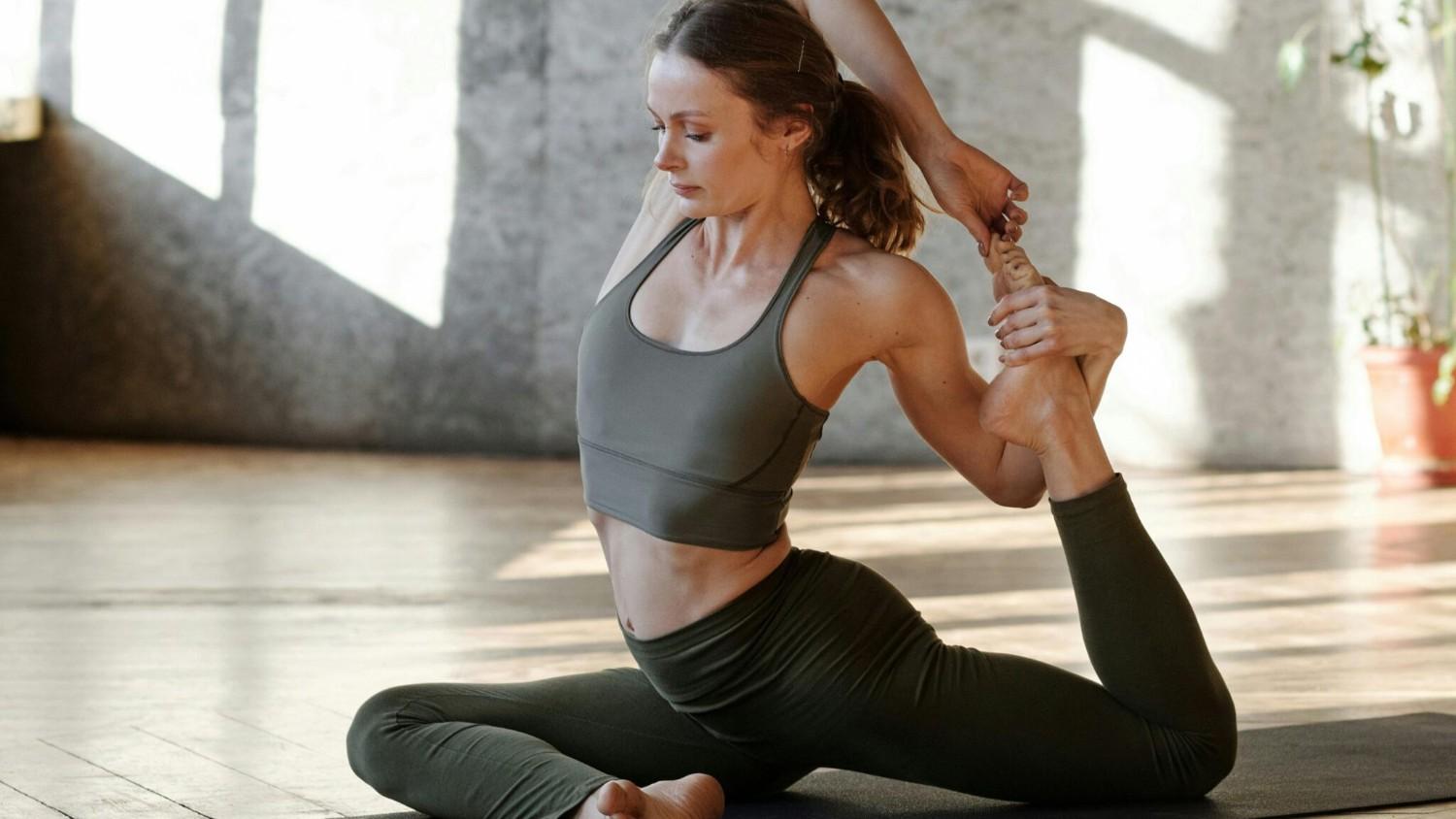
Yoga Pose King Pigeon: Advanced Variation
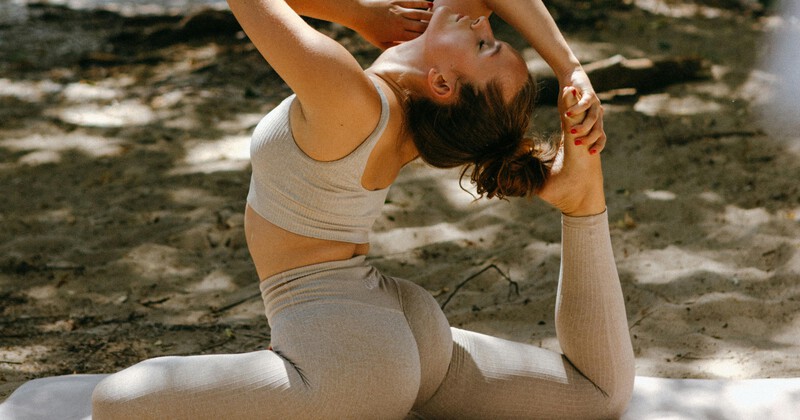
The yoga pose king pigeon represents the full expression of Eka Pada Rajakapotasana, combining intense hip opening with deep backbending. This advanced variation demands exceptional flexibility across multiple joint complexes.
Advanced King Pigeon Position Steps:
- From standard pigeon position, the practitioner bends the back knee, reaching back to grasp the foot whilst simultaneously arching into a backbend.
- The front arm often reaches overhead, creating a bind with the back hand clasping the foot.
- This configuration opens the entire front body line from hip flexors through abdominals into chest and shoulders.
Prerequisites include comfortable standard holds of 5+ minutes, established backbending practice through poses like cobra and wheel, and adequate shoulder flexibility for the binding component. Attempting this pose prematurely risks multiple injury sites from forced positioning.
Traditional texts describe this pose as awakening kundalini energy through combined hip opening and spinal extension. Contemporary practitioners report profound emotional releases during king pigeon practice, validating ancient observations regarding this posture’s transformative capacity.
Key Takeaways: King pigeon combines advanced hip opening with deep backbending and shoulder flexibility requirements.
Yoga Pigeon Pose Injury: Prevention and Solutions
Most injuries come from poor technique, not the pose itself.
- Knee pain occurs when forcing rotation through the knee instead of the hip-reduce shin angle and use props to fix this. Sharp pain means stop immediately; dull stretching is fine.
- Sacroiliac (SI) joint problems affect those with existing instability. Keep both legs engaged and avoid deep forward folds. Studies show resolution of SI issues with these modifications⁴.
- Hip flexor strain happens without proper warm-up-stretch beforehand and tuck your pelvis. Overstretching creates tightness through muscle spasm. Research shows 2-3 minute holds allow safe lengthening without triggering protective responses⁵
Key Takeaways: The injuries typically involve knee strain, SI joint irritation, or overstretching through excessive intensity. Technical modifications, proper warm-up, and respecting pain signals enable safe practice whilst building progressive flexibility.
Flying Pigeon Pose and its Benefits

Flying pigeon, or Eka Pada Galavasana yoga poses represent an arm-balancing variation offering unique benefits beyond the standard pose
Essential Flying Pigeon Position Steps:
- Create figure-four shape – Cross ankle over opposite thigh while standing
- Position hands – Bend standing leg deeply and place hands on floor
- Hook and shift – Hook shin onto upper arm and lean weight into hands
- Lift and balance – Raise back foot off floor and balance on arms
The benefits of this pose include enhanced proprioceptive awareness through complex balance requirements. The pose develops focus and mental resilience as practitioners navigate the challenging positioning. Upper body strengthening occurs through sustained arm support, building functional pressing strength applicable to daily activities.
The playful challenge of arm balances encourages growth mindset development. Successfully holding the pose after dedicated practice demonstrates tangible progress, boosting confidence and motivation for continued exploration.
Key Takeaways: This pose combines hip opening with arm balancing, developing strength, balance, and mental focus.
FAQs
Pigeon pose variations include Half Pigeon (Ardha Kapotasana), Sleeping Pigeon (forward fold variation), King Pigeon (Eka Pada Rajakapotasana with backbend) and Flying Pigeon (Eka Pada Galavasana arm balance).
Pigeon pose is excellent for deep hip opening, releasing tight hip flexors and piriformis muscles, alleviating lower back pain, improving flexibility, reducing sciatic nerve compression, and facilitating emotional release stored in hip tissues.
References
- Mondal, M., Sarkar, B., Alam, S., et al. (2017). Prevalence of piriformis tightness in healthy sedentary individuals: A cross-sectional study. International Journal of Health Sciences & Research, 7(7), 134-142 20.pdf
- Holstege, G. (2016). How the emotional motor system controls the pelvic organs. Sexual Medicine Reviews, 4(4), 303-328 How the Emotional Motor System Controls the Pelvic Organs | Sexual Medicine Reviews | Oxford Academic
- Bazrgari, B., Shirazi-Adl, A., & Arjmand, N. (2007). Analysis of squat and stoop dynamic liftings: Muscle forces and internal spinal loads. European Spine Journal, 16(5), 687-699 https://pmc.ncbi.nlm.nih.gov/articles/PMC2213554/
Get in Touch with Us
We’d love to hear from you—share your thoughts or ask a question!